BARON Insights • Tax Planning • Productive Assets
Poultry Farm Tax Planning in India: Deductions, Depreciation & Structuring
Tax efficiency can strengthen the economics of a productive asset, but poultry income does not automatically become tax-free merely because a farm operates on agricultural land. The stronger approach is compliant planning around genuine business expenses, depreciation, financing, documentation and the correct ownership structure.
Explore BARON Investor Access →Key Takeaways

Productive Asset Economics
Tax Planning Starts With the Real Economics of the Farm
A professionally developed poultry asset combines land, buildings, equipment, working capital and an operating business.
The objective should not be to chase a “zero-tax” headline. It should be to establish a commercially sound asset, maintain proper records, identify deductions and depreciation legitimately available, and choose a structure suited to the investor’s circumstances.
This fits BARON’s asset-backed philosophy: the investor owns the identified underlying asset while professional management operates the commercial activity.
A Critical Distinction
Is Poultry Farming Income “Agricultural Income” in India?
Owning agricultural land does not automatically make poultry-business income agricultural income.
The statutory definition of agricultural income is tied to specified rent or revenue from land used for agricultural purposes and specified income derived from such land through agriculture and related activities.
Poultry operations, crop cultivation, land income and other activities should therefore be identified and accounted for according to their actual nature. Where a project combines agriculture with poultry or another commercial operation, obtain project-specific advice from a qualified Indian tax professional.
Compliant Tax Efficiency
Areas That Can Shape the Tax Economics
Operating Expenses
Feed, veterinary costs, wages, utilities, repairs, maintenance and other qualifying business expenditure may affect taxable profit.
Depreciation
Qualifying buildings, plant, machinery and equipment may be eligible for depreciation according to applicable rules.
Finance Costs
Borrowing used for business purposes can have tax consequences that should be reviewed with the financing structure.
Entity Structure
Individual, partnership, LLP and company structures have different tax, compliance and distribution consequences.
Capital Expenditure
Land, buildings, machinery and working capital should be separated correctly because capital and revenue expenditure differ.
Records & Invoices
Bank trails, invoices, payroll records and asset registers strengthen financial control and substantiation.
Land Transactions
Treatment can depend on classification, location, use, holding facts and provisions applicable at the relevant time.
Government Support
Subsidies and incentives should be checked scheme-by-scheme for eligibility, accounting and tax consequences.
Asset Ownership + Operations
Why Depreciation Matters in an Asset-Backed Model
Productive projects can involve substantial physical infrastructure: sheds or commercial buildings, feeding and watering systems, climate-control equipment, electrical installations and machinery.
Where tax law permits depreciation on a qualifying business asset, the allowance can reduce taxable business profit. Applicable category, ownership, use and rate must be determined correctly.

The BARON Framework
Own the Asset. Structure the Project. Operate Professionally.
Identified Asset Ownership
The investor owns the identified underlying asset—not merely a fractional share in someone else’s asset.
Commercial Development
Land and productive infrastructure are structured around the commercial use case.
Capital Structure
Where suitable, project financing can be evaluated subject to lender eligibility and approval.
Professional Management
Bizquick manages the operating asset under the applicable commercial arrangement.
Document the Economics
Project costs, revenue, expenses, financing and asset records should be professionally maintained.
Apply Law to Facts
A qualified adviser determines the treatment actually available to the investor and project.
Before Capital Is Committed
Questions to Put in Front of Your CA or Tax Adviser
BARON Asset-Backed Income
Tax Efficiency Is One Layer. Productive Ownership Is the Foundation.
A tax deduction cannot rescue a weak investment. BARON therefore starts with the underlying asset, commercial use and operating model.
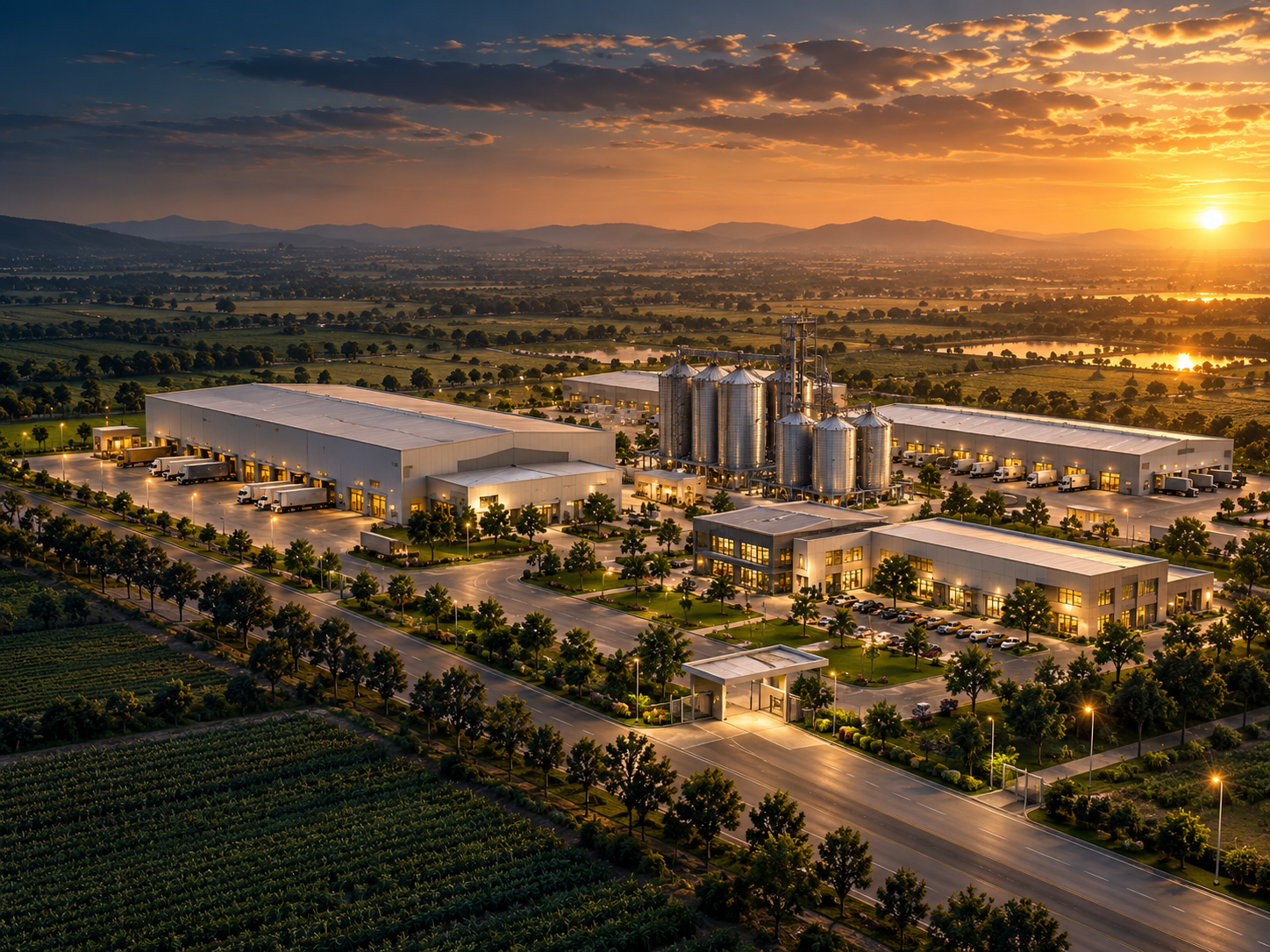
The broader ecosystem can include agricultural land and managed productive assets such as poultry estates, warehousing and logistics, cold storage, commercial rental units, animal-feed production and export-linked infrastructure, depending on the opportunity.
The central proposition is ownership of the identified asset combined with professional development and operation. Tax planning should then be layered onto the real commercial structure with advice specific to the investor.
Review BARON Investor Pathway →
BARON Investor Access
Explore Ownership of a Professionally Managed Productive Asset
Review the BARON asset-backed model, ownership structure, asset categories and investor pathway. Tax treatment should be independently reviewed for your circumstances.
Explore BARON Investor Access →Frequently Asked Questions
Poultry Farm Tax Planning FAQ
Is poultry farming income automatically tax-free in India?
No blanket assumption should be made. Poultry-business receipts should be classified according to their actual legal and commercial character.
Can a poultry business claim operating expenses?
Qualifying expenditure incurred for a taxable business may be deductible subject to applicable provisions, documentation and restrictions.
Can poultry sheds and machinery receive depreciation?
Qualifying business assets can fall within depreciation provisions, subject to asset classification, ownership, use and other conditions.
Does borrowing for a productive asset create a tax deduction?
Interest and finance costs can have tax consequences, but timing, capitalization and deductibility depend on facts and applicable law.
Should I use an LLP, partnership or company?
There is no universally best entity. Tax, ownership, liability, financing, distributions, succession and exit should be considered together.
Continue Reading