
Alternative Investments • Real Assets

What Makes Real Estate a Desirable Alternative Investment?

Real estate combines physical ownership with the potential for income, long-term value growth and portfolio diversification—making productive property an important alternative asset class for investors seeking more than purely financial exposure.

Explore BARON Investor Access →
Published Oct 4, 2024 • Updated Sep 25, 2026 • Bizquick Editorial Team
Key Takeaways
1
Real-Asset Ownership

Exposure to an identifiable physical asset.

2
Income Potential

Commercial use or leasing can create cash flow.

3
Diversification

Adds an asset class with different economic drivers.

4
Long-Term Value

Location and productive use can support value.

5
Multiple Structures

Commercial, industrial and productive assets.

Understanding the Asset Class

Real Estate as an Alternative Investment

Alternative investments sit outside traditional holdings such as listed shares, bonds and cash. Real estate is one of the most familiar alternatives because investors can connect capital to a physical asset with a clear location and economic use.

Property can generate value through rental or operating income, improvement or development, long-term ownership and participation in changes in the underlying asset value.
Agricultural land and productive real estate representing alternative investment assets
Portfolio Role

Why Investors Consider Real Estate

Real estate is influenced by land availability, infrastructure, local demand, commercial activity, financing and development. Those factors differ from many listed financial assets.

Productive property can connect ownership with an operating activity, creating the possibility of income while the investor continues to own the underlying asset.
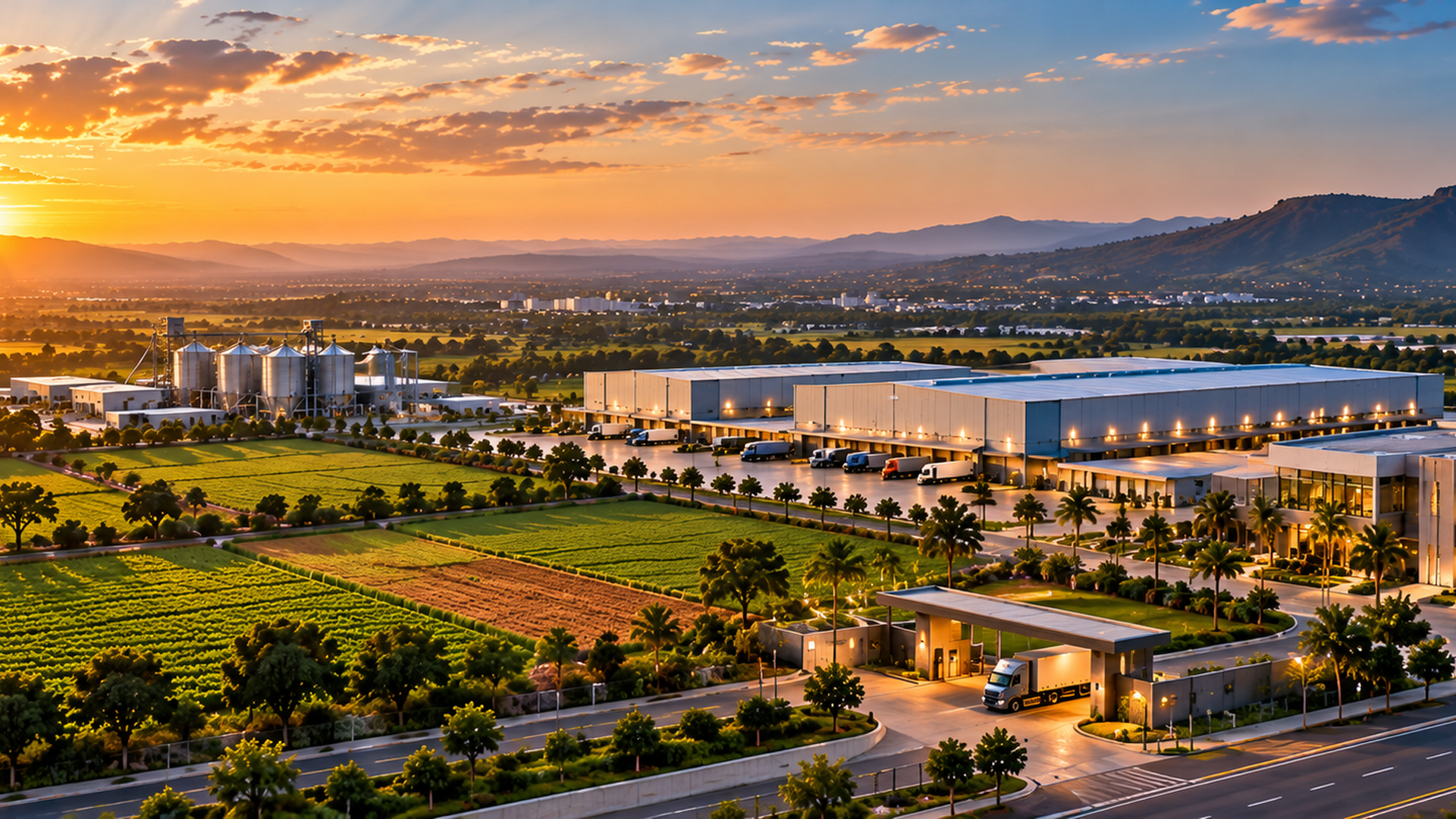
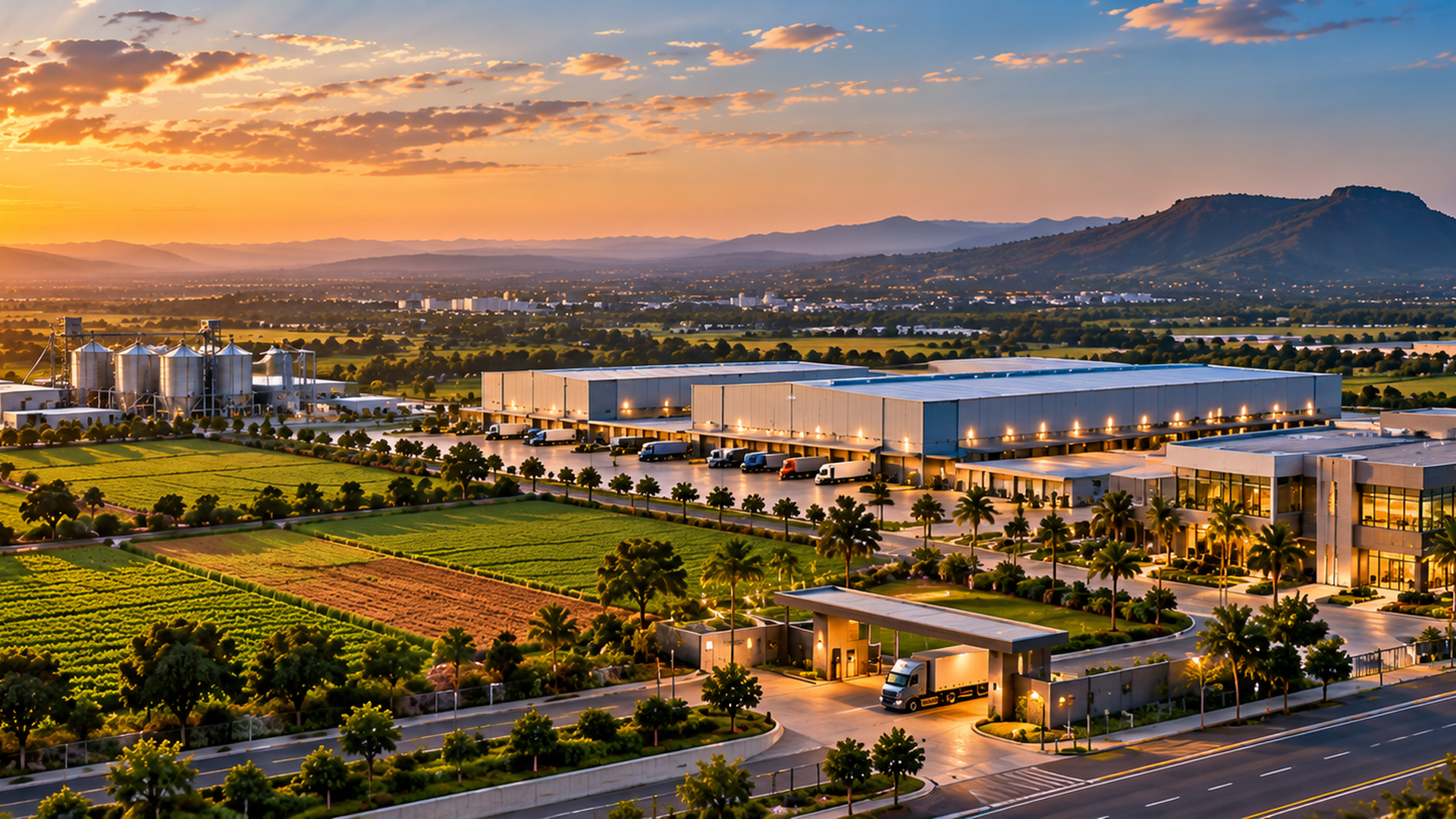
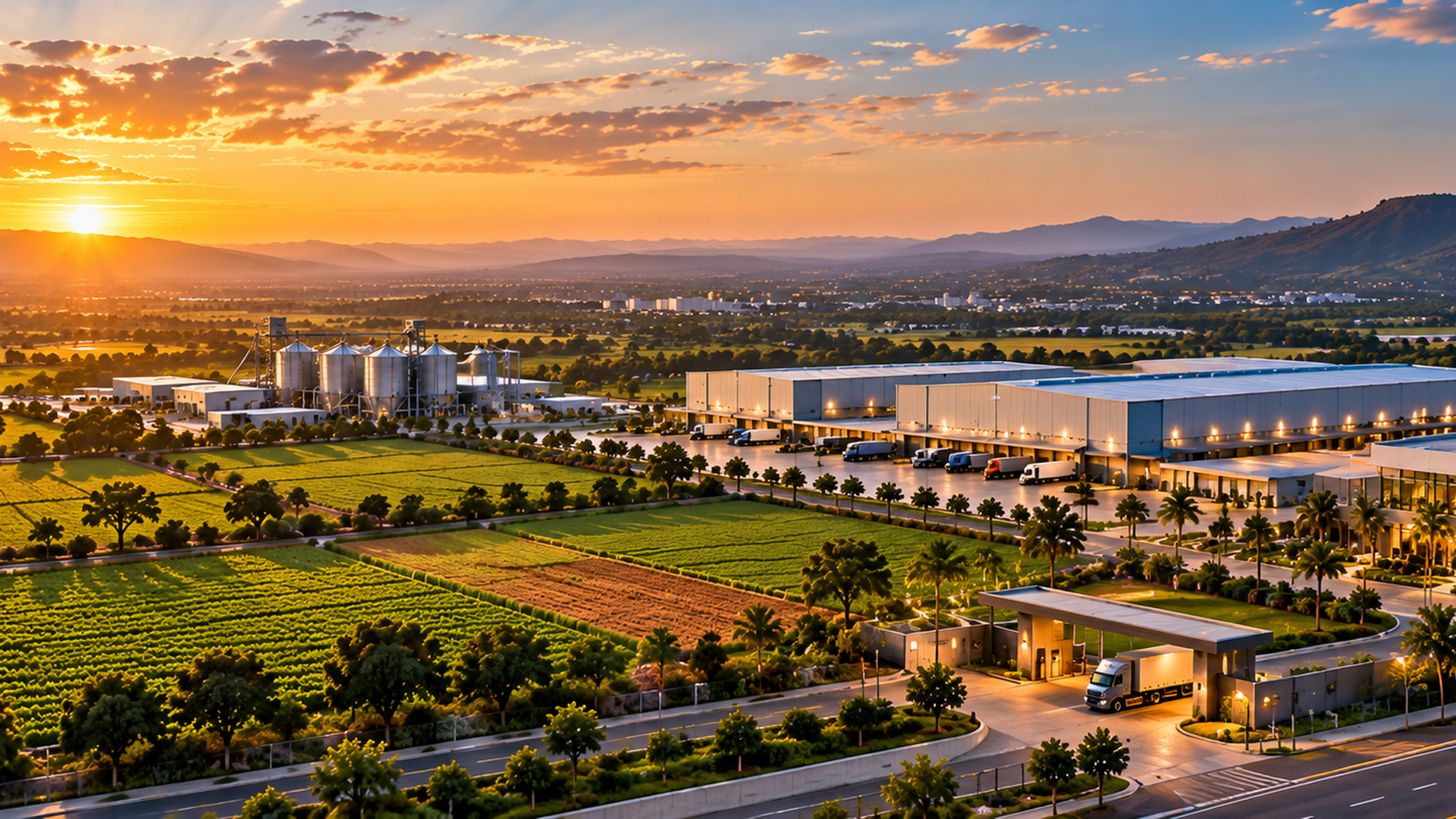
Modern warehouse and logistics property representing productive commercial real estate
Core Advantages

Key Benefits of Real Estate Investment

Income Generation

Rental, leasing and managed operations can provide an additional income source.

Potential Appreciation

Well-selected property may participate in long-term value growth.

Tangible Ownership

Exposure to an identifiable physical asset.

Portfolio Diversification

Broadens a portfolio beyond traditional financial holdings.

Commercial Utility

Productive property can serve real business requirements.

Professional Management

Managed structures reduce day-to-day investor involvement.

Financing Options

Eligible projects may use bank or NBFC financing.

Long-Term Planning

Physical assets can support longer-term ownership goals.

Commercial production infrastructure representing income-generating productive real estate
Beyond Conventional Property

Productive Real Estate Can Do More Than Simply Sit in a Portfolio

A building or parcel of land becomes more economically useful when it supports a real commercial activity.

Examples include agricultural land, warehouses, cold storage, managed poultry estates, feed-production facilities and commercial rental units.

  • Underlying physical asset
  • Defined commercial purpose
  • Potential operating or rental income
  • Professional development and management
  • Long-term ownership value
The BARON Connection

From Real Estate Ownership to an Asset-Backed Income Ecosystem

BARON combines investor-owned physical assets with professional development and commercial operations by Bizquick.

Land

Agricultural & Future-Use Assets

Strategically selected land forms the real-asset foundation.

Infrastructure

Warehousing & Logistics

Storage and distribution infrastructure serves supply-chain demand.

Food Infrastructure

Cold Storage

Temperature-controlled assets support agricultural distribution.

Managed Operations

Poultry Estates

Physical infrastructure combines with managed operations.

Production

Animal Feed

Feed infrastructure participates in the livestock ecosystem.

Rental Assets

Commercial Units

Property developed around leasing and ownership objectives.

Investor Evaluation

Important Considerations Before Investing

Location & Infrastructure

Consider connectivity, surrounding development and demand.

Asset & Commercial Use

Understand the property's intended productive use.

Ownership Structure

Review title, documentation and investor rights.

Project Economics

Review acquisition, development, costs and expected revenue.

Financing Structure

Include interest, tenure and repayment obligations.

Management & Exit

Understand operations, reporting and ownership-transfer pathways.

BARON Asset Strategy

Your Asset. Professional Development. Productive Commercial Use.

BARON is designed for investors who want capital connected to a physical asset while professional teams handle development and operating execution.

Bizquick helps identify suitable opportunities, structure projects, support financing where applicable, develop productive use and manage operations according to the asset model.

Review BARON Investment Pathways →
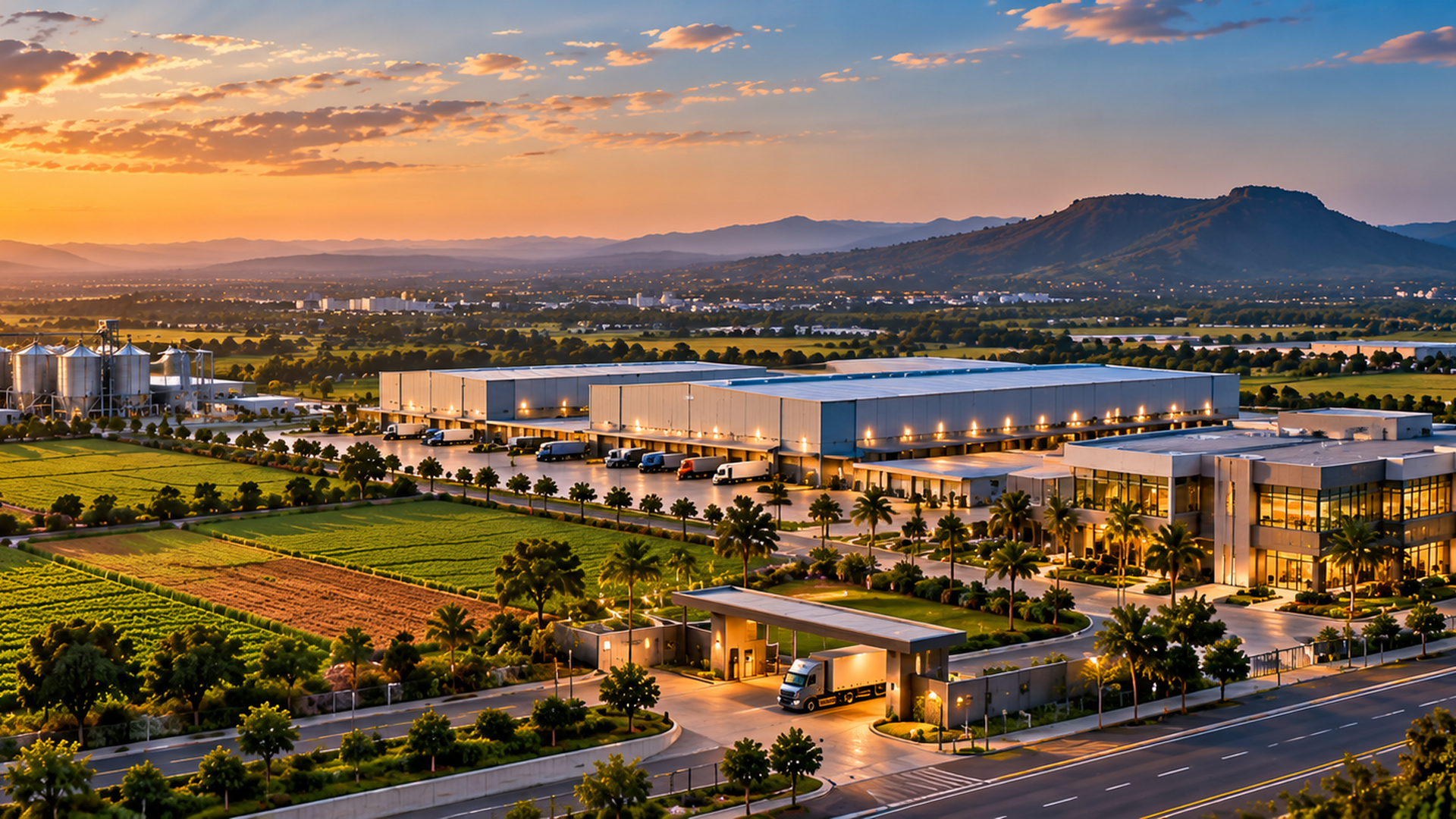
Investor overlooking productive land and commercial real estate assets
BARON Investor Access

Explore Real Estate Designed Around Productive Use

Discover how BARON combines investor-owned real assets with professional development, operating infrastructure and commercial income objectives.

Explore BARON Investor Access →
Frequently Asked Questions

Real Estate as an Alternative Investment FAQ

Why is real estate considered an alternative investment?

It sits outside traditional listed shares, bonds and cash and provides exposure to physical property.

How can real estate generate income?

Depending on the asset, income may come from rent, leasing or professionally managed commercial operations.

What types of real estate can investors consider?

Options include residential, commercial, industrial and productive real-estate assets.

How does BARON differ from simply buying property?

BARON combines ownership of an underlying physical asset with professional development and operating support.

Can bank or NBFC financing be used?

Financing may be available subject to project viability, lender policies and borrower eligibility.

What should an investor review before proceeding?

Location, title, ownership, commercial use, economics, financing, management and exit pathways.

Continue Reading

Related Articles