
Benefits of Investing in a Poultry Farm: Opportunities, Economics & Risks
Poultry farm investment can offer exposure to multiple commercial revenue streams, but returns depend on feed economics, flock health, market prices, operational discipline and capital structure. This guide explains what investors should evaluate before treating poultry as an income-producing asset.
Key Takeaways
Why Poultry Farm Investment Remains Relevant to the Food Business
Poultry meat and eggs are widely consumed sources of animal protein. That creates a large underlying market, but demand alone does not guarantee a profitable farm.
A poultry business must convert feed, labour, housing, flock management, veterinary controls and distribution into saleable output at a commercially sustainable cost.
For an investor considering poultry farm investment, the relevant question is therefore not simply whether poultry is popular. It is whether a particular project has the scale, management, infrastructure and market access required to operate efficiently.
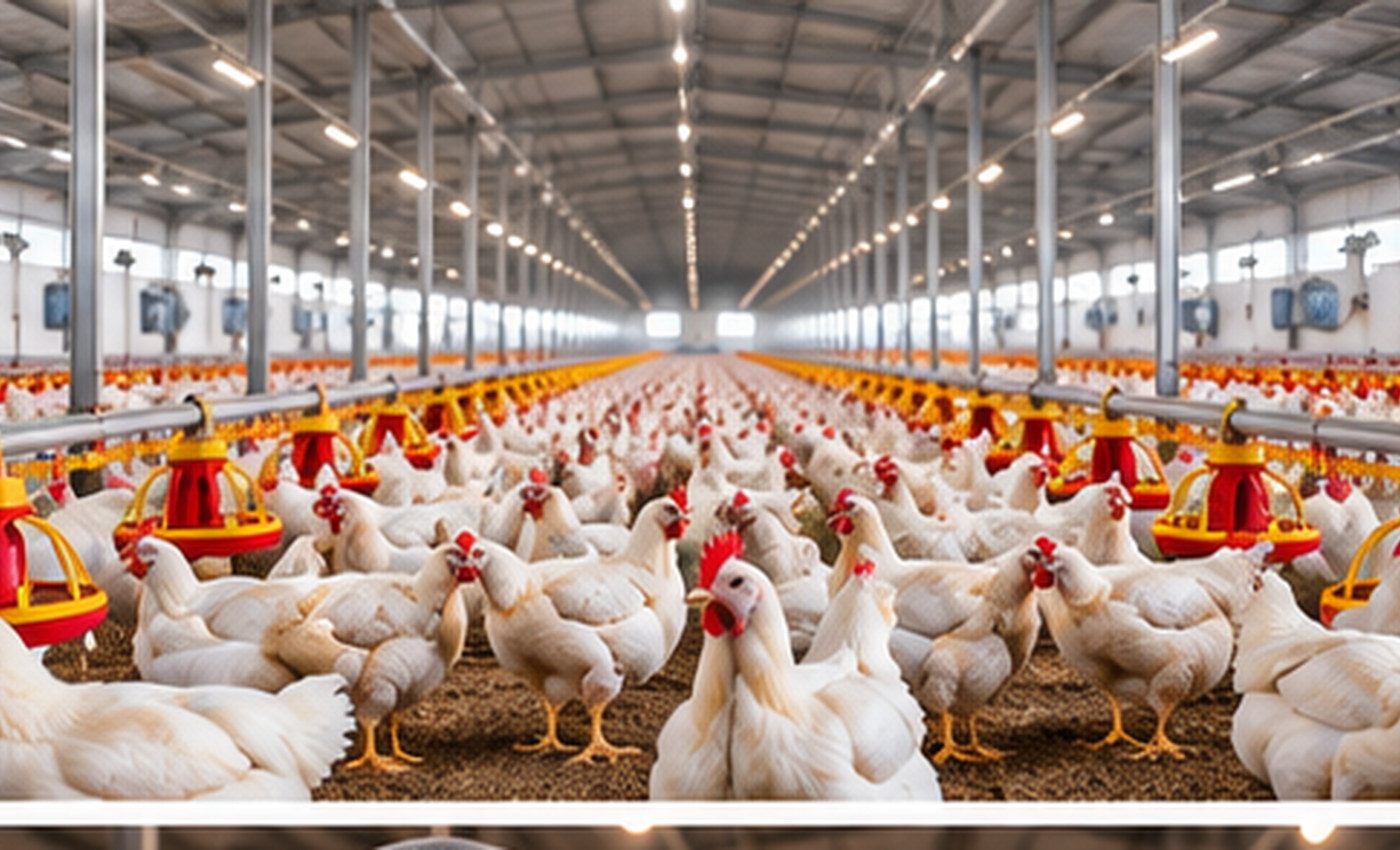
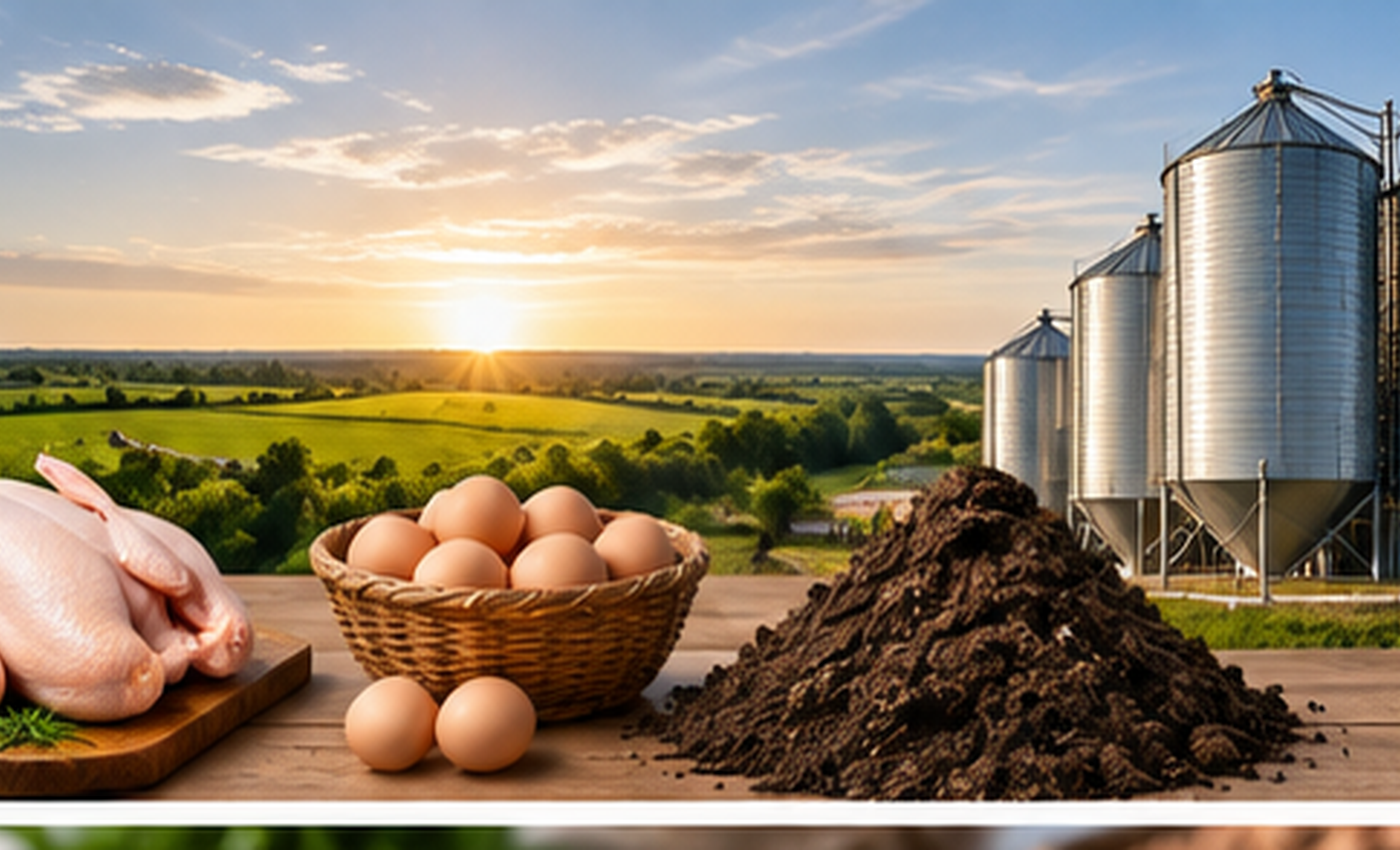
Where Poultry Farm Income Can Come From
The income structure depends on the type of poultry operation. Commercial farms may focus on one activity or combine several related revenue sources.
Broiler / Meat Production
Revenue from raising birds for poultry-meat markets.
Egg / Layer Production
Revenue from commercial egg production and related sales.
Manure & By-Products
Potential secondary value from litter, manure and other usable outputs.
Related Infrastructure
Feed supply, hatchery, processing, storage or connected services may form part of a larger model.
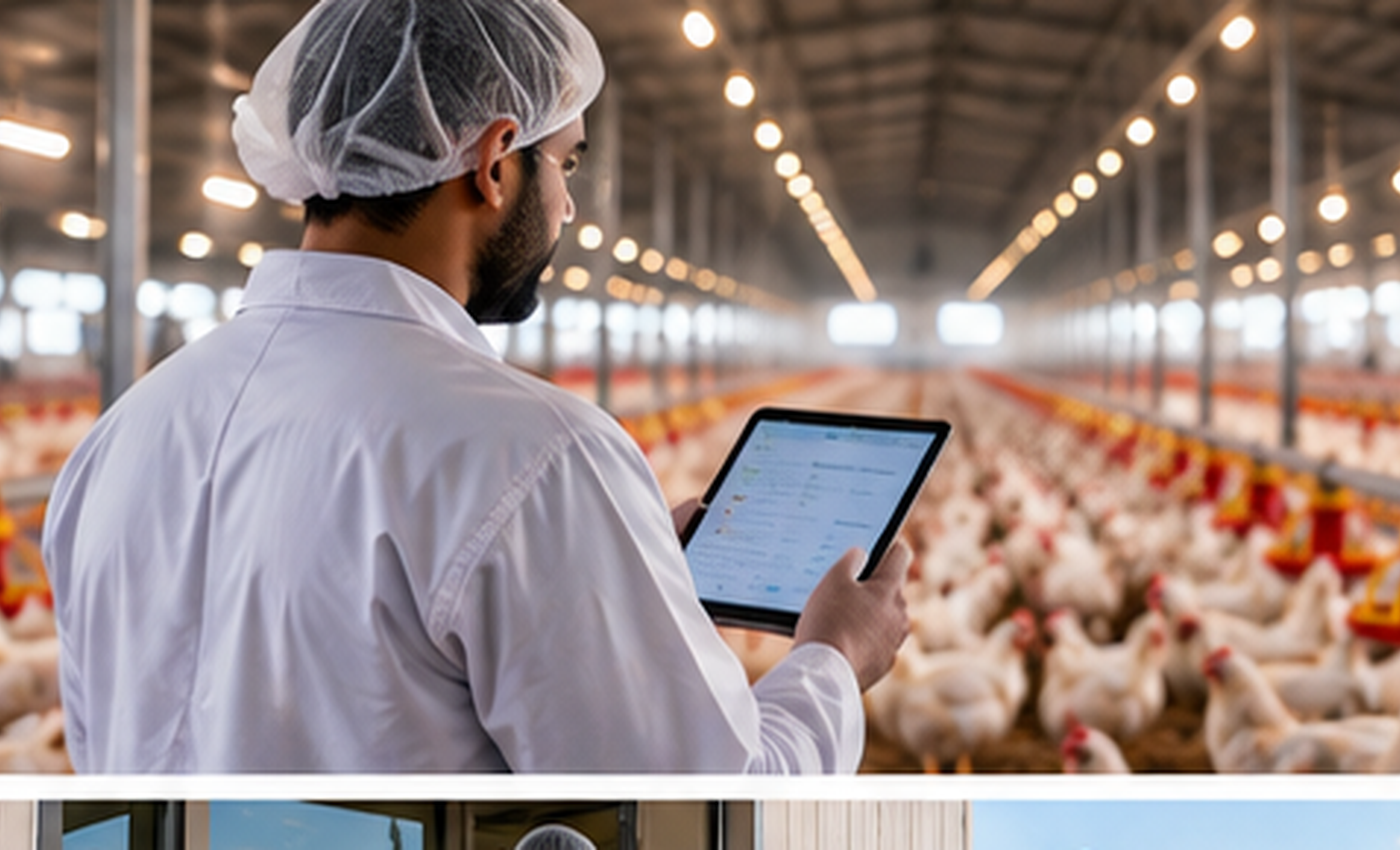
Why Investors Consider Poultry Farming
A poultry farm investment can offer several features that may appeal to long-term investors when the project is professionally designed, adequately capitalised and well managed.
What the Economics Actually Depend On
Poultry farm investment returns are influenced by several interrelated variables. A strong investment analysis should test the project against changes in these operating conditions rather than relying only on an attractive headline return.
Feed is typically one of the largest recurring operating expenses.
Disease prevention, flock health and mortality directly affect output.
Meat and egg prices fluctuate according to supply, demand and local conditions.
Well-used infrastructure can improve fixed-cost absorption and productivity.
Staffing, electricity, ventilation and other utilities affect operating cost.
Debt cost, repayment schedules and capital structure influence investor cash flow.
Key Risks Investors Must Evaluate
Poultry is an operating agricultural business, not a fixed-return instrument. Before making a poultry farm investment, investors should understand what can interrupt production, reduce margins or delay an exit.
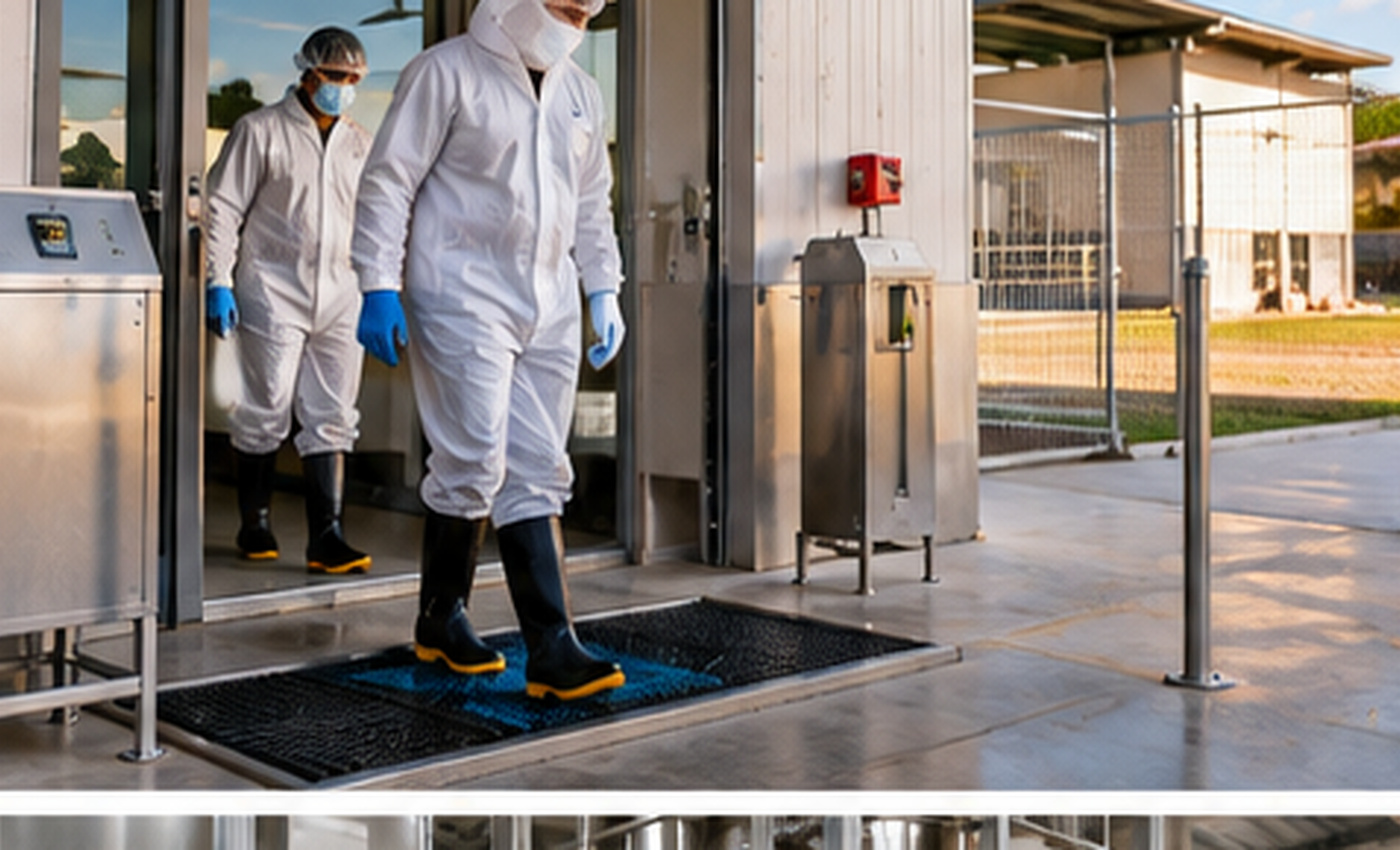
Poultry Estate vs Simply Running a Farm
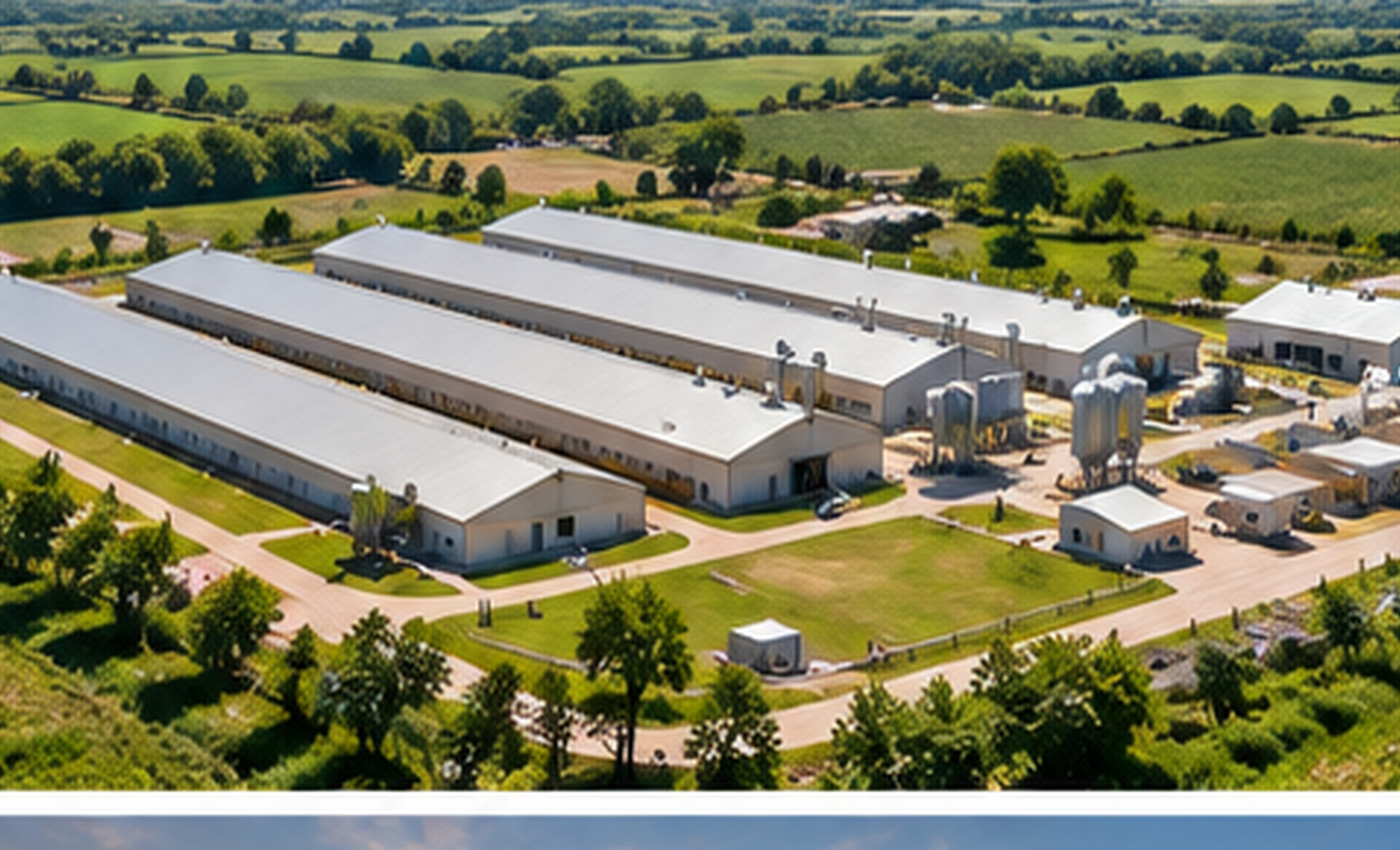
An investor-owned, professionally managed poultry estate can create a different ownership and operating structure from a small owner-operated farm.
Traditional Owner-Operated Farm
- Often smaller in scale
- Owner may handle daily operations
- Infrastructure may be added gradually
- Greater dependence on the individual operator
Investor-Owned Managed Poultry Estate
- Purpose-designed physical infrastructure
- Professional operating management
- Potential for larger commercial scale
- Clear separation between investor ownership and daily operations
Explore BARON Poultry Estate Opportunities
Learn how an investor-owned poultry asset may be structured, developed and professionally managed, and evaluate whether the model fits your capital, liquidity requirements and long-term investment objectives.
EXPLORE BARON INVESTOR ACCESS →Frequently Asked Questions
Is poultry farming profitable?
A poultry farm investment can be profitable, but profitability is not automatic. Feed prices, flock health, selling prices, utilisation, labour, energy, financing and management all affect results.
What is the difference between broilers and layers?
Broiler operations primarily raise birds for meat, while layer operations are designed around commercial egg production. Their housing, production cycles and economics differ.
What are the biggest costs in poultry farming?
Feed is typically a major operating cost, with chicks, labour, energy, veterinary care, maintenance, transport and finance also contributing materially.
What are the main risks in poultry farming?
Key risks can include disease, feed-cost volatility, output-price changes, mortality, management quality, regulatory obligations, financing and asset liquidity.
How important is feed cost?
Feed economics are central because changes in feed price or feed-conversion efficiency can materially affect operating margins.
Can poultry assets be professionally managed?
Yes. Commercial operations can employ professional managers, technical staff and automated systems, although investors should still review reporting, governance and operator performance.