Can Productive Real Assets Help Protect Wealth Against Inflation?
Inflation gradually reduces the purchasing power of money. Productive land, infrastructure and professionally managed commercial operations offer investors a different approach: capital connected to tangible ownership, real economic activity and potential operating income.
Explore BARON Investor Access →Why Investors Consider Productive Real Assets
Why Inflation Erodes Purchasing Power
Inflation means the same amount of money buys fewer goods and services over time. Cash and fixed nominal income can therefore lose purchasing power as prices rise.
Productive real assets are different from idle property because they are intended to perform an economic function — producing food, storing goods, supporting logistics, manufacturing feed or generating commercial income.
They are not immune to inflation: operating and financing costs can also rise. Their appeal is the combination of physical ownership, productive utility and potential revenue generated by real-world demand.

From Passive Poultry Investing to a Broader Productive-Asset Strategy
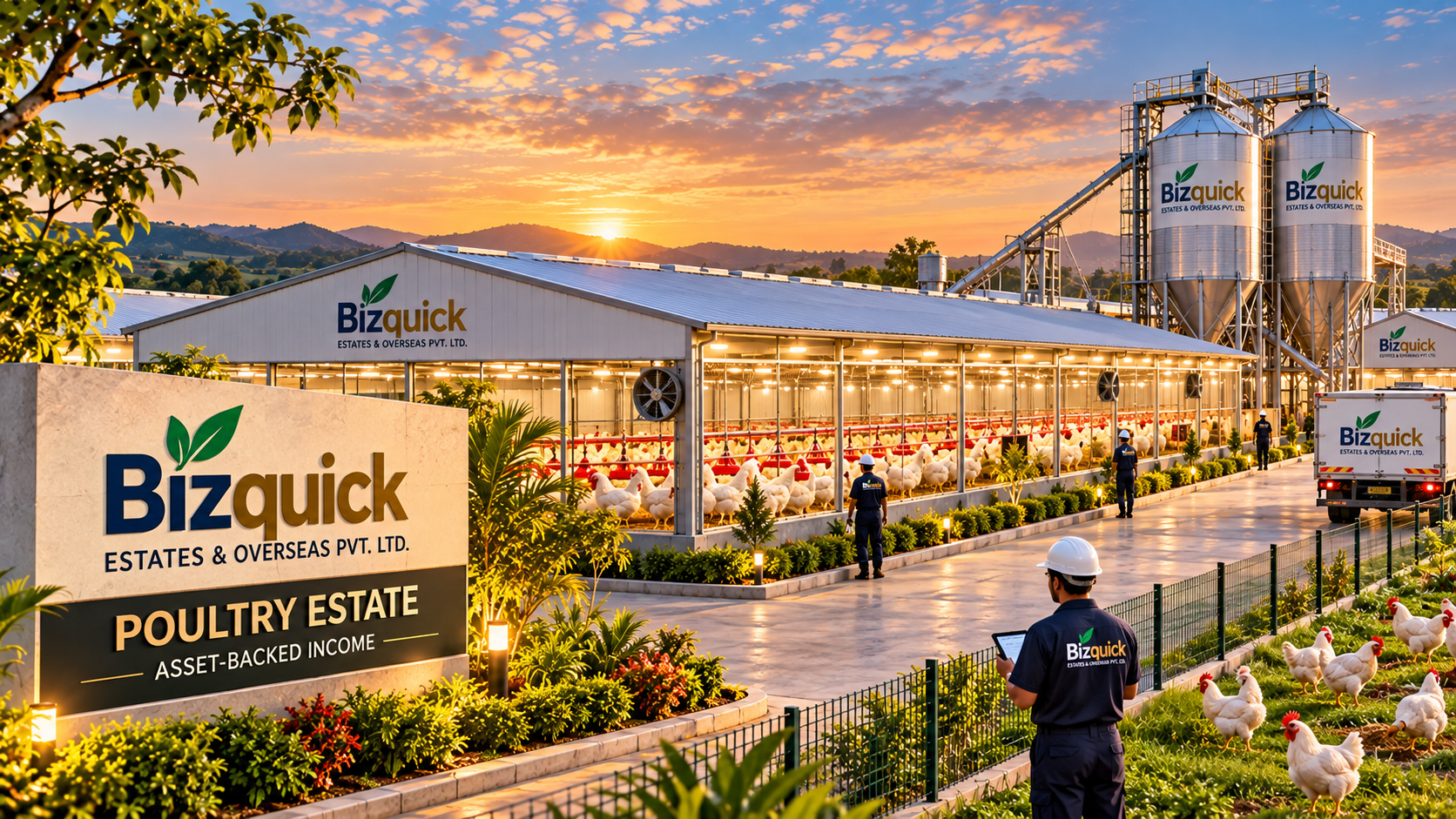
The original Bizquick article focused on poultry property. BARON expands that idea into a wider productive real-asset ecosystem.
- Agro-commercial land
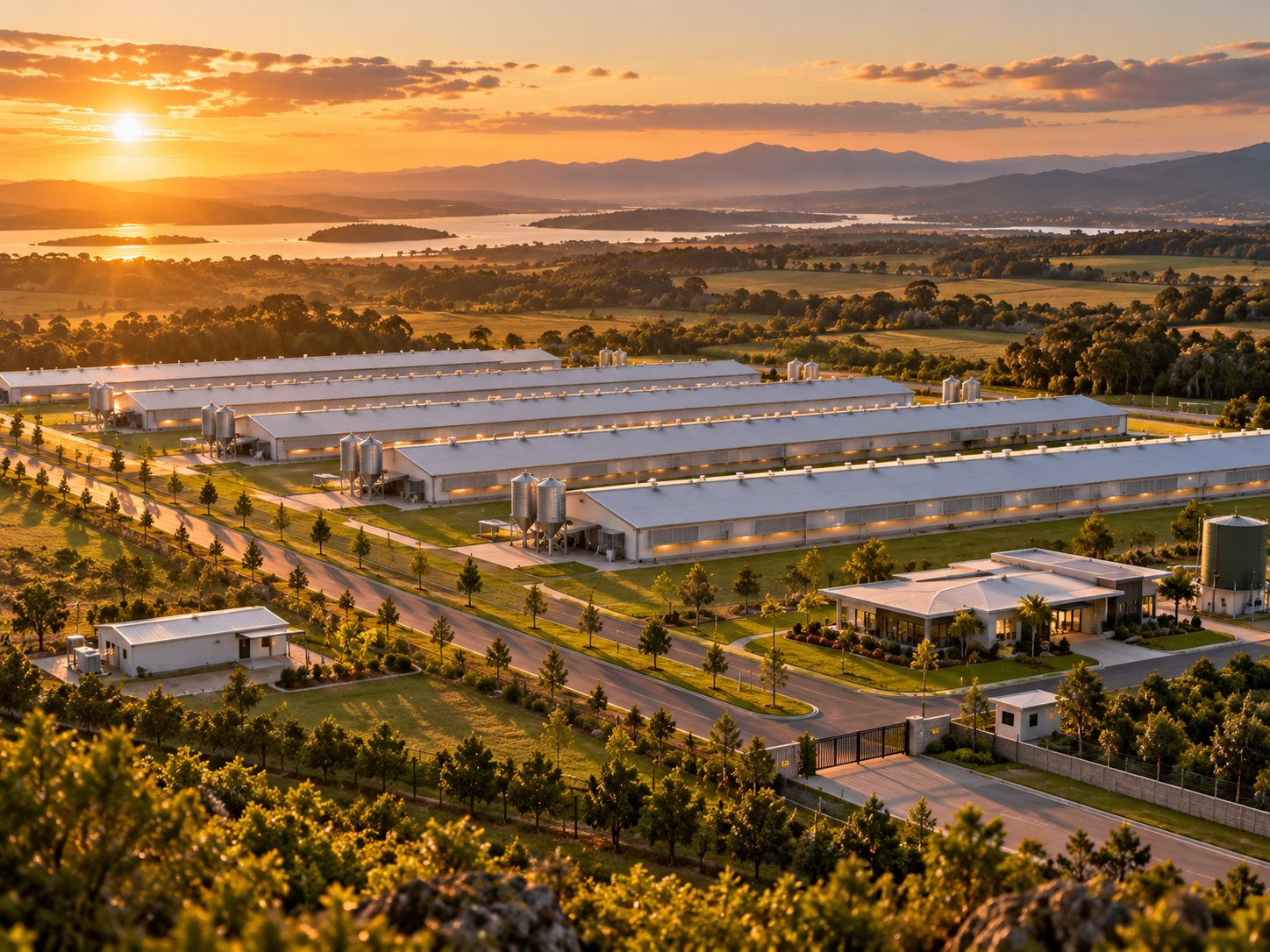
- Managed poultry estates
- Cold-storage infrastructure
- Animal-feed production
- Warehouse and logistics facilities
- Income-oriented commercial infrastructure
How Productive Assets Can Respond to Inflation

Income potential comes from active use in an operating business.

Real assets have intrinsic utility beyond financial-market movements.

Food, storage and logistics remain connected to economic demand.

Land and infrastructure may retain long-term utility and value.
A Different Approach to Wealth Preservation
Traditional Financial Assets
- Value can fluctuate with markets.
- Fixed nominal returns can lose purchasing power.
- Limited direct control over underlying operations.
Productive Real Assets
- Tangible land or infrastructure ownership.
- Potential income from commercial operations.
- Utility linked to real-economy demand.
- Potential long-term asset appreciation.

The BARON Asset-Backed Income Model
BARON is structured around complete ownership of the investor's specific asset — not fractional ownership of a pooled asset. Bizquick supports development and professional management of the productive operation.

Identify
Select suitable land and productive opportunity.

Acquire
Investor acquires the underlying land or asset.

Develop
Bizquick develops productive infrastructure.

Manage
Professional teams oversee operations and maintenance.

Build Value
Focus on productive income, utility and potential appreciation.
The BARON Productive Asset Ecosystem
 Agro-Commercial Land
 Managed Poultry Estates
 Cold Storage
 Animal Feed Production
 Warehouse & Logistics
 Commercial Infrastructure
What Investors Should Evaluate
Turn Capital Into Productive Ownership
Explore how BARON can help you build a portfolio around investor-owned agricultural and commercial assets, productive infrastructure and professional management.
Explore Private Investor Access →Common Investor Questions
How does inflation affect my money?
Inflation reduces purchasing power, meaning the same amount of money buys fewer goods and services over time.
Why consider productive real assets?
They combine tangible ownership with commercial utility and the potential for operating income.
Do I own the asset completely?
Under the BARON model, the investor owns the specific underlying asset according to the applicable acquisition and legal structure; the proposition is not merely a fractional share of a pooled asset.
Who manages the operations?
Bizquick provides development and professional management support according to the relevant project agreement.
Does a productive asset guarantee protection from inflation?
No. Costs, demand, financing and project performance can change. The potential resilience comes from productive use, tangible ownership and revenue linked to real economic activity.
How can I get started?
Begin with BARON Investor Access so Bizquick can understand your capital range, objectives and preferred asset category.