
Relying on One Income Is Dangerous. What’s Your Plan B?
In an uncertain world, building an independent second income stream can strengthen financial resilience, reduce dependence on one source of earnings and create greater long-term choice.
Key Takeaways
In Today’s World, One Income Can Be a Risky Gamble
For millions of professionals and business owners, almost everything depends on one source of income — a salary, professional fees or revenue from one business.
As long as that income continues uninterrupted, life may appear comfortable. But when circumstances change — job loss, business disruption, health issues, economic slowdown or technological change — the financial impact can be significant.
That is why creating a second income stream should not simply be viewed as a luxury. It can become an important component of long-term financial resilience.


Savings vs Income-Producing Assets
Saving money is essential, but saving capital and creating income are not the same thing.
Savings help preserve capital and provide liquidity. Income-producing assets attempt to put capital to work through commercial activity, leasing or production.
- Commercial property
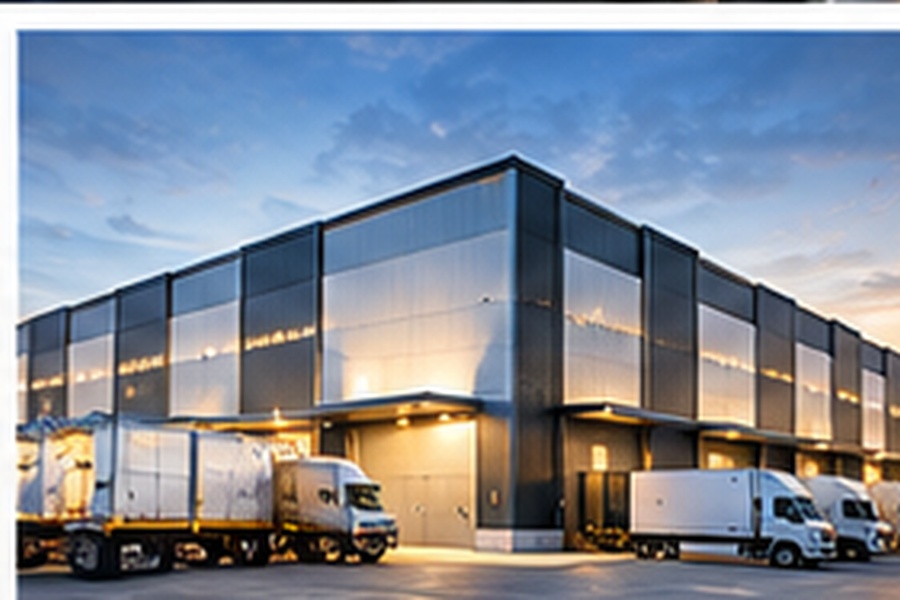
- Warehousing and logistics infrastructure
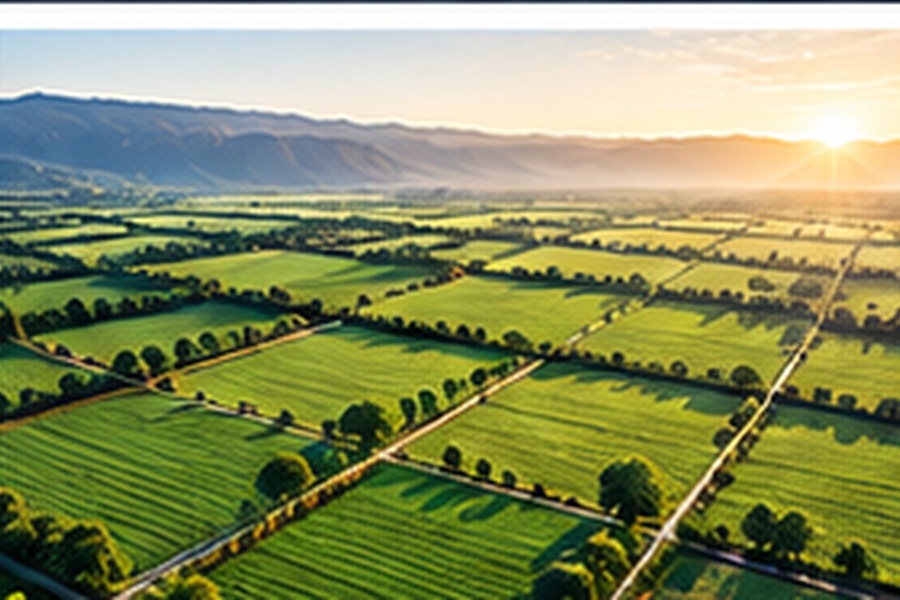
- Agricultural and farm operations
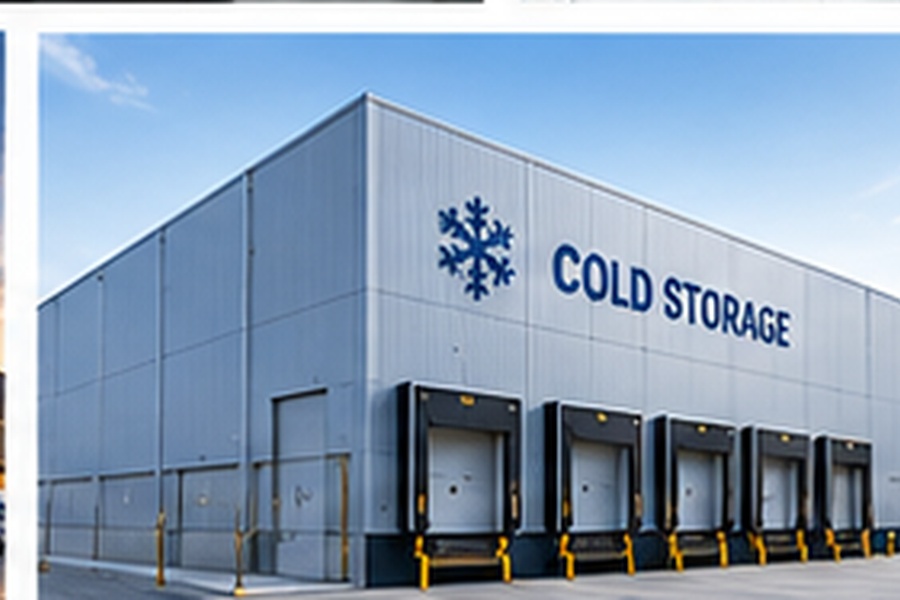
- Cold-storage facilities
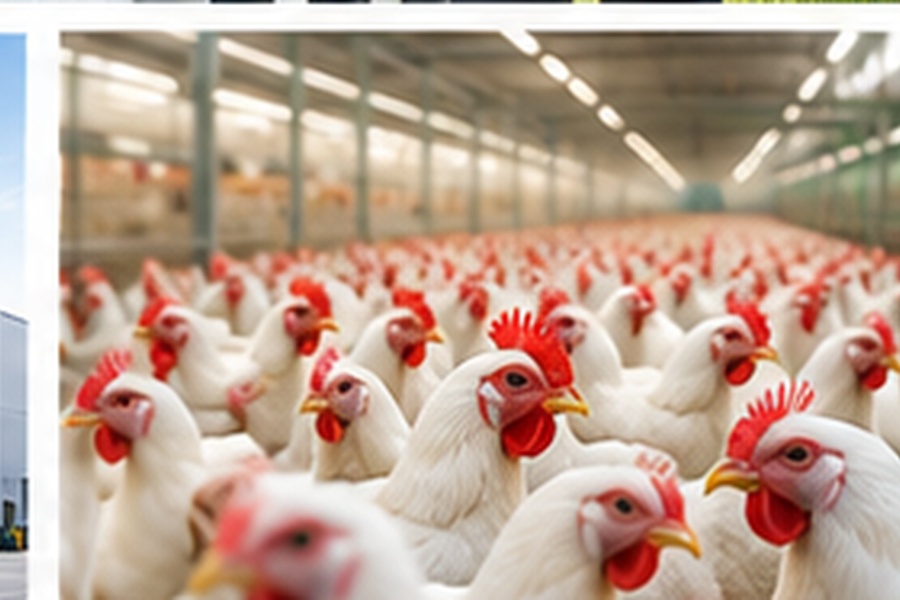
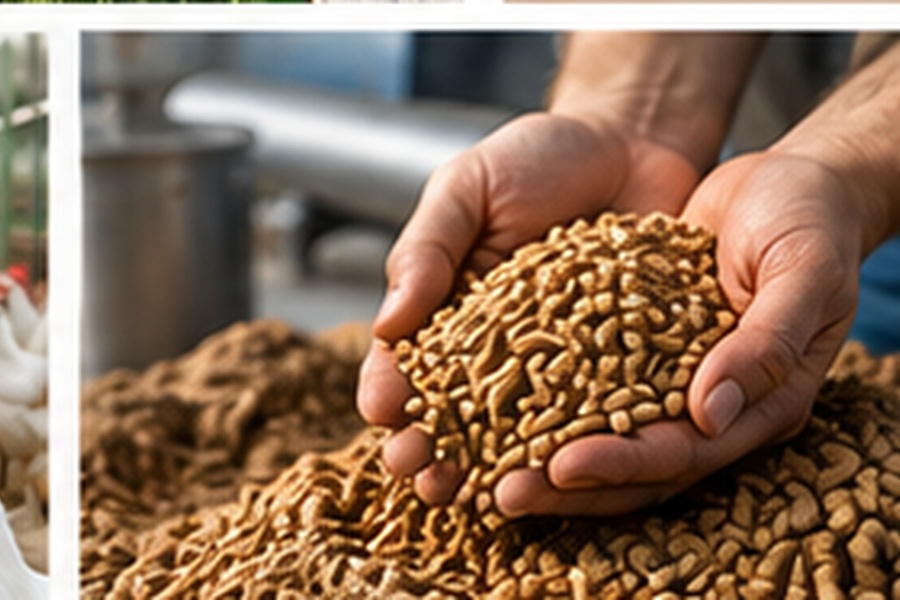
- Poultry and animal-feed production
- Rental commercial units
- Other managed commercial assets
Each asset class has different risks, liquidity, operating requirements and potential returns. The right structure depends on the investor’s objectives, available capital and risk tolerance.
What Is Asset-Backed Income?
Asset-backed income refers to income generated from an underlying productive or commercially useful asset.
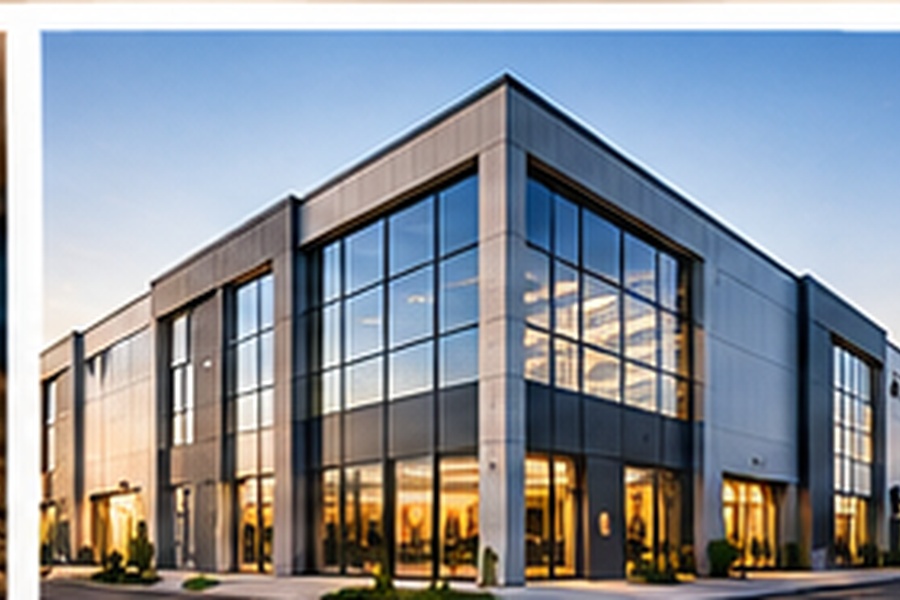
For example, a warehouse may potentially generate rental or operating income, a production facility can generate revenue through manufacturing, and agricultural infrastructure may generate income from commercial activity.
The presence of a physical asset does not eliminate investment risk. However, it allows an investor to separately evaluate both the underlying asset and the business activity expected to produce income.
From Financial Dependence to Financial Resilience
Why Multiple Income Streams Matter
A diversified income structure may help reduce the financial impact created when one source of earnings is interrupted.
- Reduce dependence on any single source
- Maintain greater financial flexibility
- Create additional long-term wealth-building capacity
- Support family financial objectives
- Create greater choice in the future
What Should You Evaluate Before Building a Second Income?
Income-producing investments should be evaluated on more than projected returns.
- What exactly will I own?
- How is ownership legally documented?
- What activity generates the income?
- Who manages the asset?
- What operating costs are involved?
- What happens if income is lower than expected?
- How can the asset eventually be sold?
- Does financing affect cash flow?
Build Your Plan B Before You Need It
A financial Plan B is difficult to create after the primary income has already disappeared.
Asset creation normally requires time. Land has to be identified, projects developed, operations established, customers acquired and financing structured where applicable.
How BARON Creates Asset-Backed Income
The BARON ecosystem by Bizquick Estates & Overseas Pvt. Ltd. is structured around converting investor capital into identifiable, income-generating assets.
Depending on the opportunity, this may include agricultural land, warehousing, cold storage, poultry estates, animal-feed production or commercial rental assets.
Bizquick helps structure and manage the commercial operation while the investor retains ownership of the underlying asset according to the particular project structure.
The objective is to combine asset ownership with an operating model capable of producing income, subject to commercial performance and market conditions.
Take Charge of Your Financial Future
Explore how BARON approaches investor-owned, income-generating assets and determine whether an asset-backed strategy fits your long-term objectives.
EXPLORE BARON INVESTOR ACCESS →Frequently Asked Questions
Is passive income really completely passive?
Usually not. Most income-generating assets require capital, monitoring, administration or professional management. Managed structures can reduce direct operational involvement but cannot eliminate investment risk or oversight.
Can a warehouse generate passive income?
Warehouses may generate lease or operating income where suitable demand exists. Location, occupancy, construction cost, financing and operating expenses materially affect actual results.
Are physical assets safer than stocks?
They involve different types of risk rather than being automatically safer. Physical assets can have liquidity, operational, legal and maintenance risks, while securities can be subject to market volatility.
What is the minimum capital required?
Capital requirements depend on the specific asset, project structure, financing and ownership model. Commercial physical assets generally require more capital than many conventional financial products.
Can agricultural land generate regular income?
Land itself does not automatically create cash flow. Income normally comes from farming, leasing, commercial operations or approved development associated with the land.
Can financing be used to acquire an asset?
Potentially, subject to lender policies, borrower eligibility, credit assessment and project viability. Financing costs and EMI obligations must be included when evaluating investment cash flow.