
Accelerate Your Path to Financial Independence with Asset-Backed Passive Income
Asset-backed passive income combines ownership of tangible, productive real assets with professionally managed operations that may generate recurring operating income. For investors pursuing financial independence, this approach can help diversify household income beyond employment while building long-term ownership in identifiable assets.
Explore BARON Investor Access →Why Asset-Backed Passive Income Through Productive Real Assets Matters
Asset-backed passive income is an approach to building additional income around ownership of productive real assets rather than relying only on salary or purely financial instruments. The underlying assets perform a useful economic function and may generate operating income through professionally managed commercial activity.
Productive real assets can combine tangible ownership with the potential for recurring operating income and long-term asset value. Instead of viewing investment capital only as money held in an account or exposed to financial-market movements, the BARON philosophy converts capital into identifiable assets that participate in real economic activity.
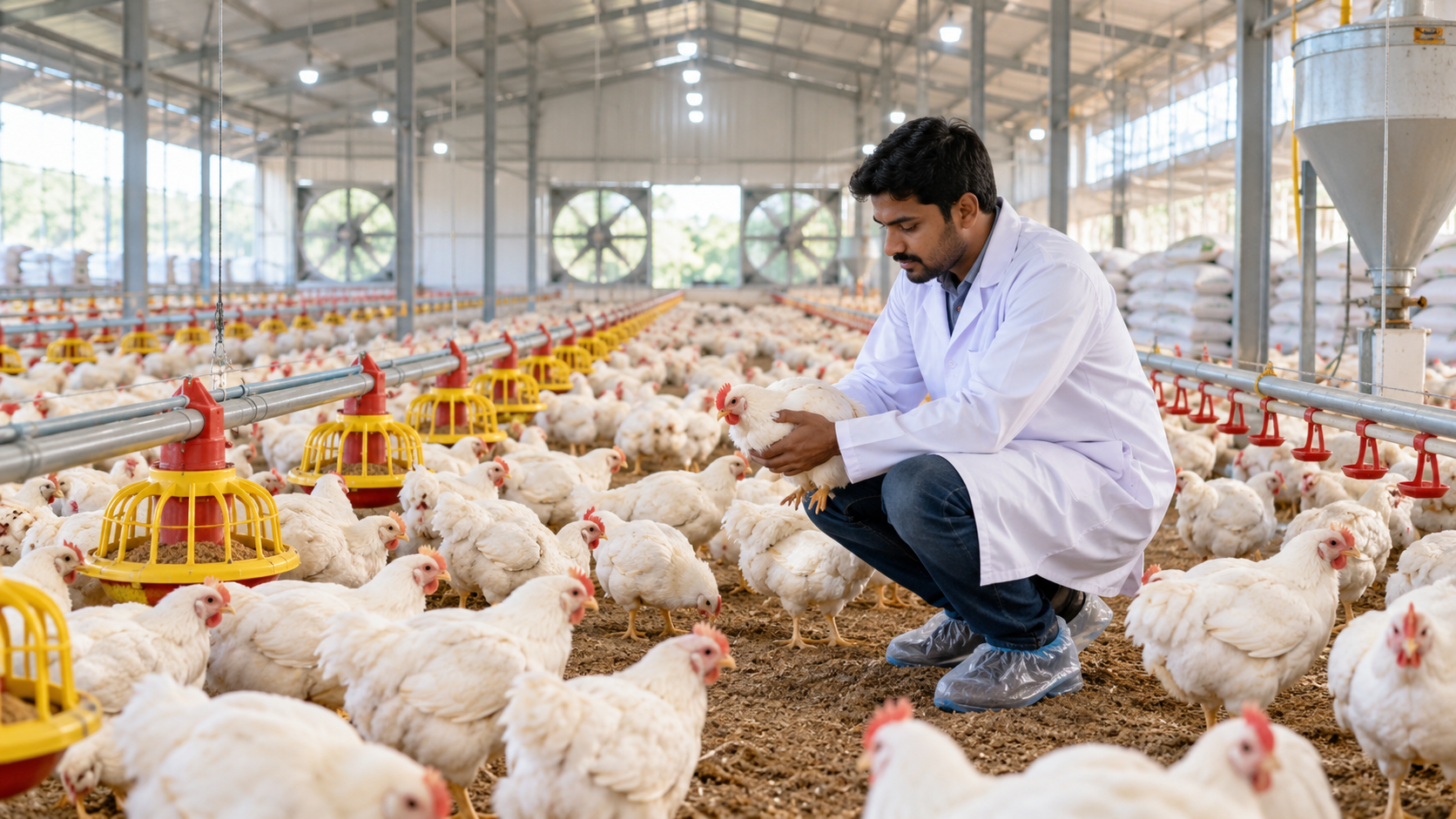
Bizquick focuses on productive sectors such as agricultural land, managed poultry estates, animal-feed production, cold storage, warehouse and logistics infrastructure, and income-oriented commercial assets.

Tangible Ownership
Invest in identifiable productive real assets that you own according to the applicable project structure.
Potential Operating Income
Participate in income generated by professionally operated productive assets.
Long-Term Value
Combine productive use with the underlying long-term value potential of tangible assets.
Family Legacy
Build a portfolio of real assets capable of becoming part of long-term family wealth.

Move from Working for Income to Owning Income-Producing Assets
A job can provide income for your time. A business can provide income for your effort. Productive real assets can add another dimension: the opportunity to own an asset that is professionally operated and capable of participating in recurring commercial activity.
Building asset-backed passive income is not about predicting which occupations technology may affect next. The objective is to progressively build a portfolio of productive assets that can diversify household income, reduce dependence on employment income and strengthen long-term financial independence.

Idle Capital
- Capital may remain underutilised
- Limited connection to productive operations
- Purchasing power can be affected over time
- No direct control over an underlying productive asset

Productive Asset Ownership
- Capital deployed into tangible productive assets
- Potential participation in operating income
- Potential long-term underlying asset value
- Creates a base for wealth and legacy building
A Simple Path from Capital to Long-Term Income
Capital Commitment

Deploy investment capital according to your selected investment objective.
Asset Selection

Choose from suitable agricultural and productive infrastructure opportunities.
Ownership Structure

Complete the applicable ownership and project documentation.
Development
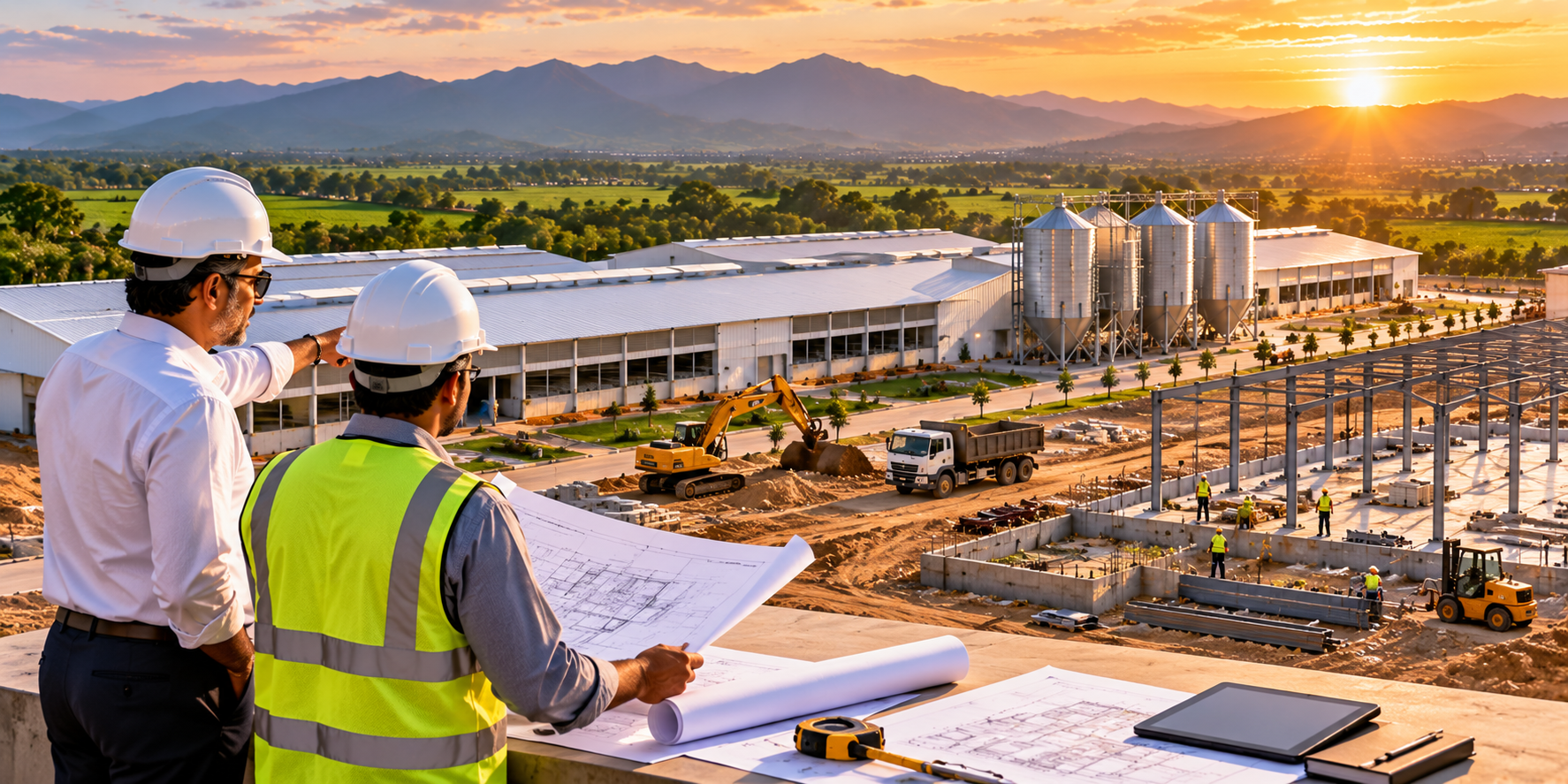
Bizquick develops the asset with the required infrastructure.
Professional Management
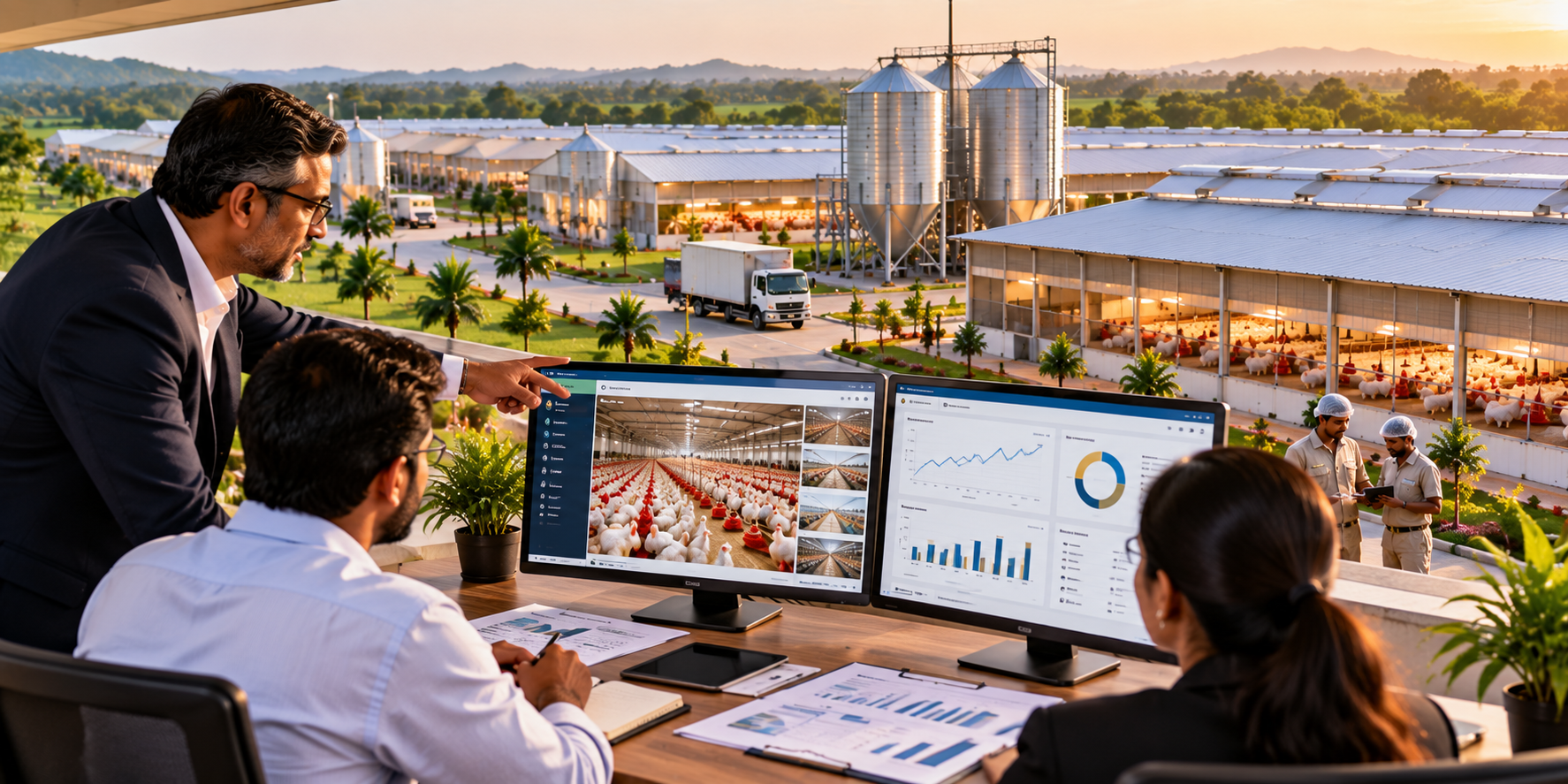
Experienced teams manage operations, maintenance and administration.
Business Operations
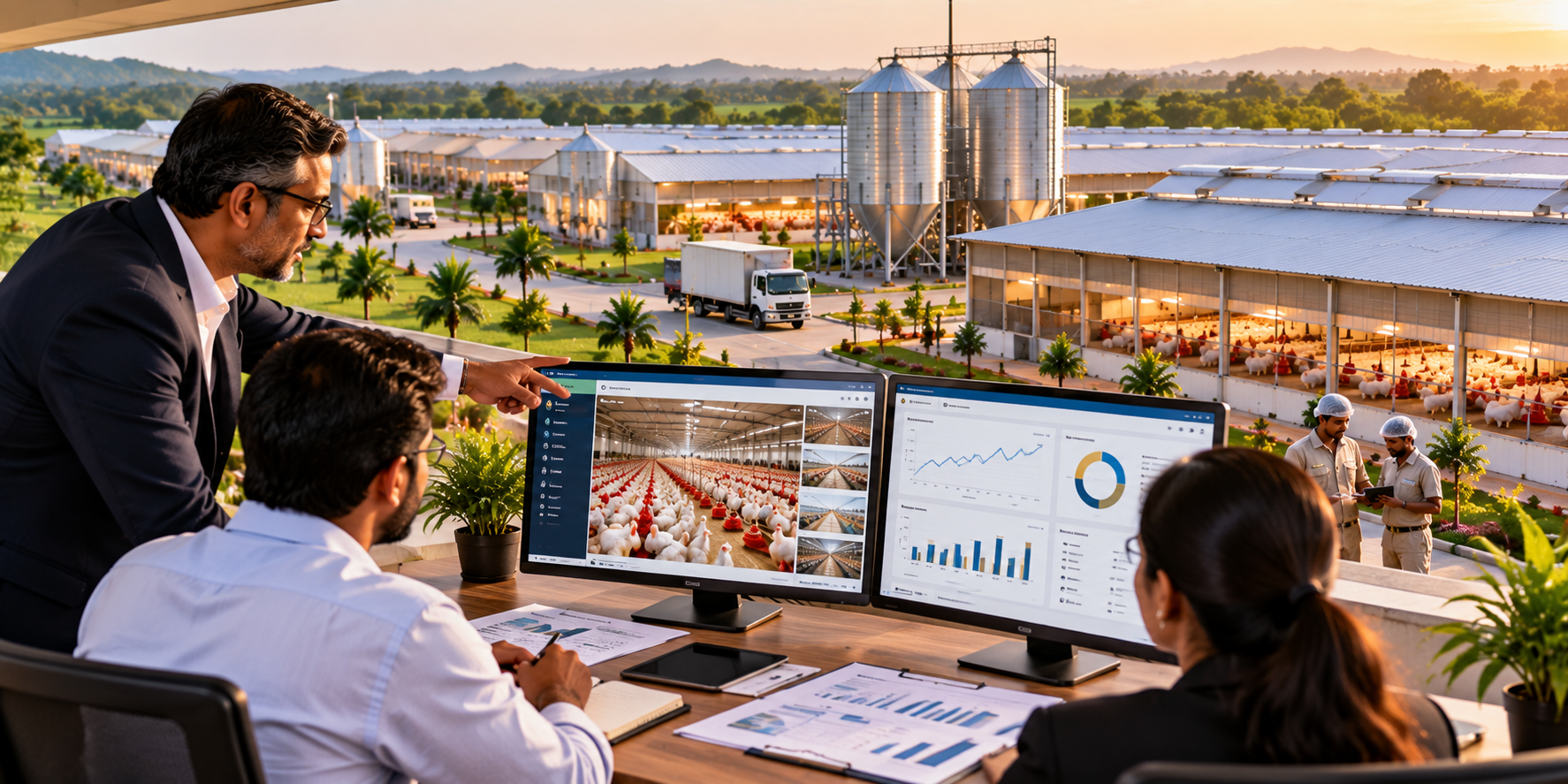
The productive asset participates in commercial activity.
Potential Income & Value
Potential operating income is combined with the underlying asset's long-term value potential.
Multiple Productive Asset Classes. One Asset-Backed Passive Income Philosophy.

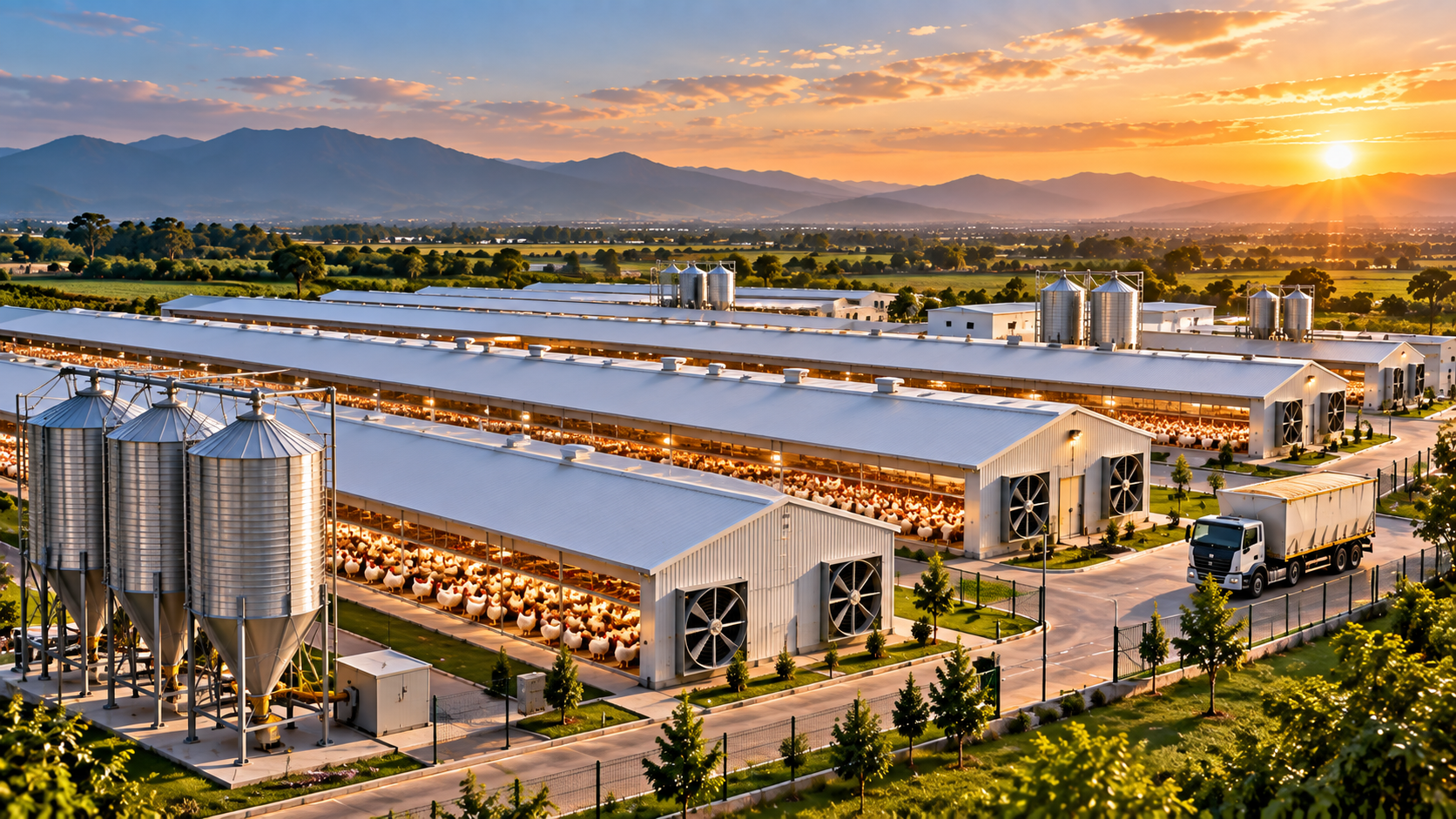


A Partnership Built for Your Long-Term Wealth
BARON's approach to asset-backed passive income is designed around ownership of the specific underlying asset rather than fractional pooled ownership. Bizquick's role is to help structure and develop the productive asset and manage the applicable business operations.
This approach separates ownership from the operational workload: the investor holds the asset under the applicable legal structure while professional teams handle project development and day-to-day management.
Investor and Operating Partner Alignment
Under the stated BARON operating model, applicable operating income is shared between the investor and Bizquick, subject to the terms of the selected project agreement.
- Specific underlying asset ownership structure
- Bizquick develops and manages the applicable project
- Professional operational management
- Potential operating income participation
- Long-term underlying asset value potential
Leverage Financing to Grow Your Productive Asset Portfolio
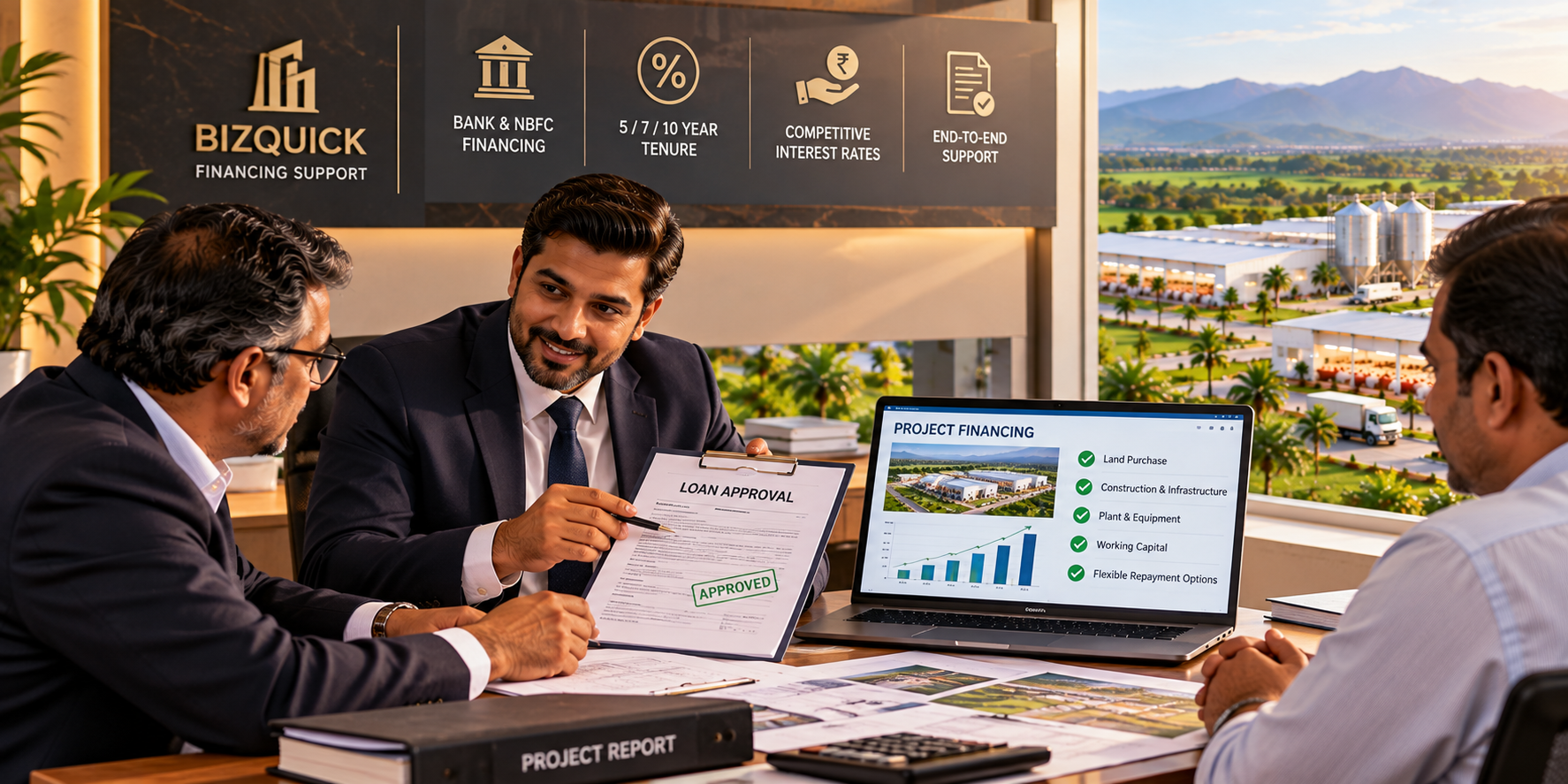
Where appropriate, Bizquick can assist eligible investors in exploring financing options through banks, NBFCs or other financial institutions. Availability, eligibility, interest rates, processing charges, tenure and approval remain subject to the lender and the selected project.
Financing can allow an investor to preserve part of their available capital while acquiring or developing a larger productive asset. Any borrowing decision should be assessed against repayment obligations and realistic project cash-flow assumptions.
Create a Portfolio for Financial Independence and Family Legacy
A well-planned portfolio of productive assets can combine potential operating income with long-term tangible ownership, helping investors build a stronger financial base for themselves and the next generation.
Explore BARON Investor Access →
Your Questions, Answered
What types of assets can I invest in?
BARON opportunities may include agricultural land, managed poultry estates, animal-feed production, cold storage, warehouse and logistics infrastructure, and income-oriented commercial assets, depending on project availability.
Who owns the asset?
BARON is structured around investor ownership of the specific underlying asset according to the applicable legal and project documentation, rather than fractional pooled ownership.
What is the minimum investment amount?
BARON is designed for investors with meaningful deployable capital. The appropriate capital band depends on the selected asset and project. Current project-specific entry requirements should be confirmed during Investor Access.
What are the key risks?
Productive assets can be affected by project execution, operating performance, financing obligations, market conditions, regulation, liquidity and other project-specific factors. Investors should review the applicable documentation and conduct independent due diligence.
How does the income sharing work?
Under the stated BARON operating model, 70% of applicable operating income is allocated to the investor and 30% to Bizquick for operations and management, subject to the selected project's executed agreement.
How is the asset managed?
Bizquick's role is to structure and develop the applicable project and provide professional operational management under the relevant project agreement.
Can I use financing for the investment?
Bizquick can assist eligible investors in exploring relevant bank or NBFC financing where appropriate. All financing remains subject to lender eligibility, approval and terms.
Can I exit the investment later?
Exit, transfer and encashment provisions depend on the selected asset and contractual structure. Investors should review the project-specific exit terms before committing capital.



This article is for educational and informational purposes only and does not constitute financial, investment, tax or legal advice, an offer, solicitation, promise or guarantee of returns. Investment in real and productive assets involves risks, including project execution, operating performance, financing obligations, market conditions, regulatory changes and liquidity. References to passive income, operating income, appreciation, financial independence or long-term wealth describe objectives and potential outcomes and are not guaranteed results. Investors should review applicable project documents, conduct independent due diligence and obtain appropriate professional advice before making an investment decision.