
Why Essential-Use Productive Assets Can Stay Relevant Through Economic Downturns
Food, storage, logistics, feed and productive commercial infrastructure serve needs that do not disappear when markets become uncertain. Explore how BARON connects investor-owned real assets to the everyday economy.
Different Asset Classes React Differently During Economic Downturns
During periods of economic uncertainty, share prices, discretionary spending and overall business confidence can move sharply. Yet different assets respond to market sentiment, interest rates and global events in very different ways.
At the same time, people still need food. Supply chains still need storage. Businesses still require distribution. Agriculture still needs feed and productive infrastructure. These needs can continue even when the broader economy is under stress.
This is the economic logic behind BARON’s focus on productive real assets: connecting investor capital to identifiable land, infrastructure and businesses serving recurring real-world needs.

Economic Downturns Change Spending — They Do Not Eliminate Everyday Needs
When discretionary spending slows, households and businesses may postpone non-essential purchases. Essential goods and services, however, remain part of everyday economic life. That distinction matters when considering the underlying use of a productive asset.
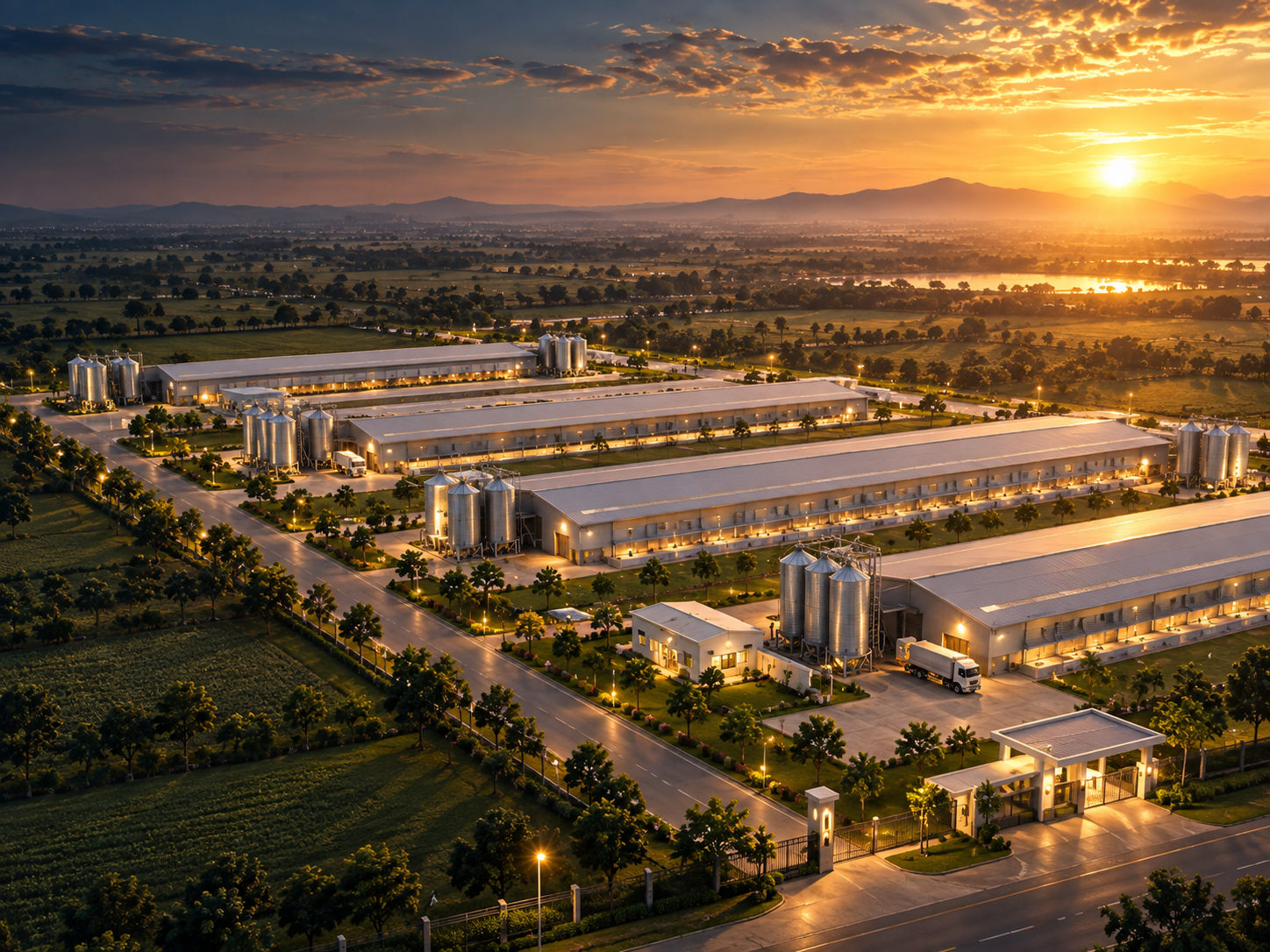
Diversified Real Assets. Real Economic Activity.
The original Bizquick article focused on managed poultry real estate. BARON broadens that productive-asset philosophy across sectors linked to recurring economic activity.
 Agro-Commercial Land
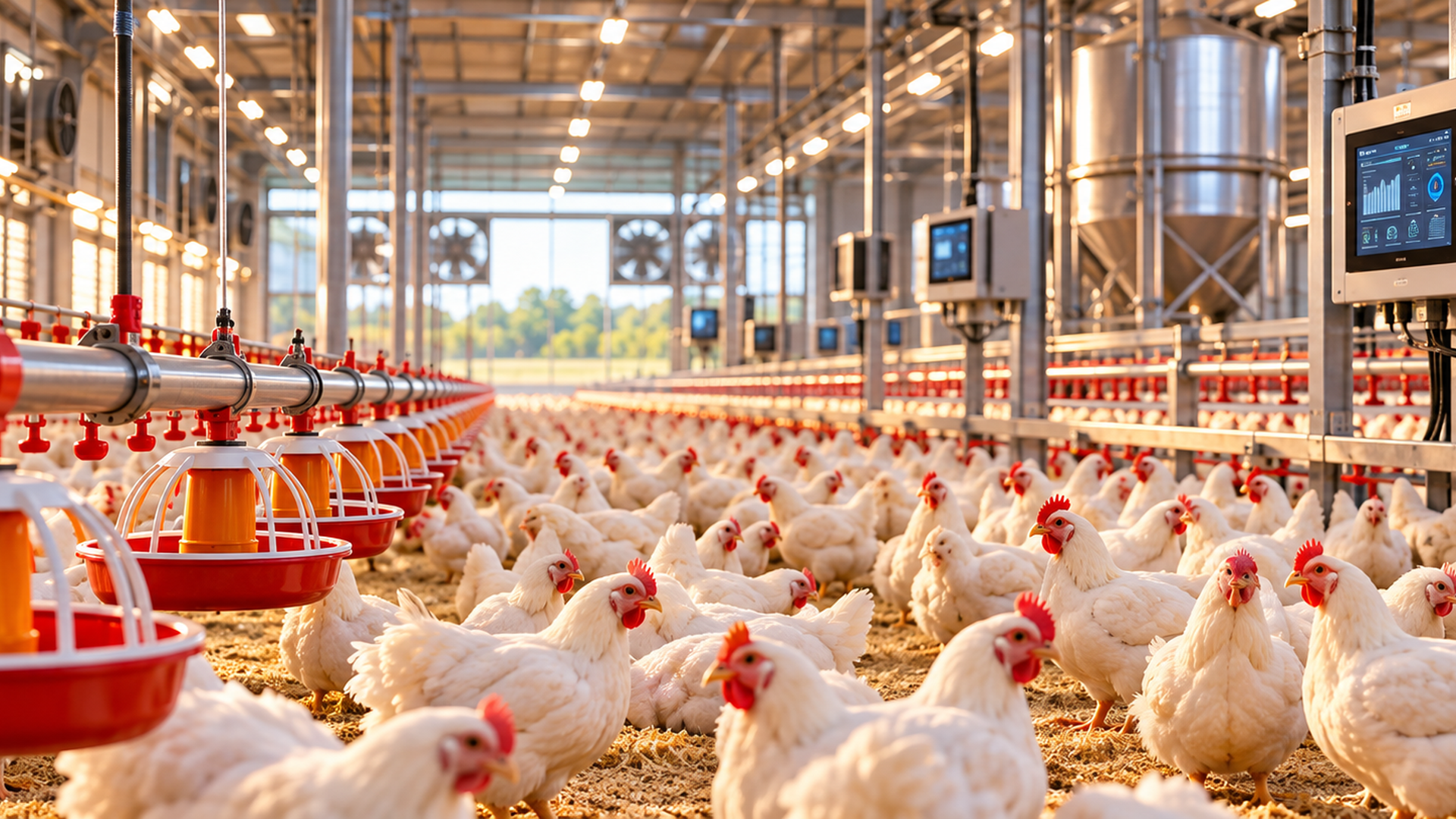 Managed Poultry Estates
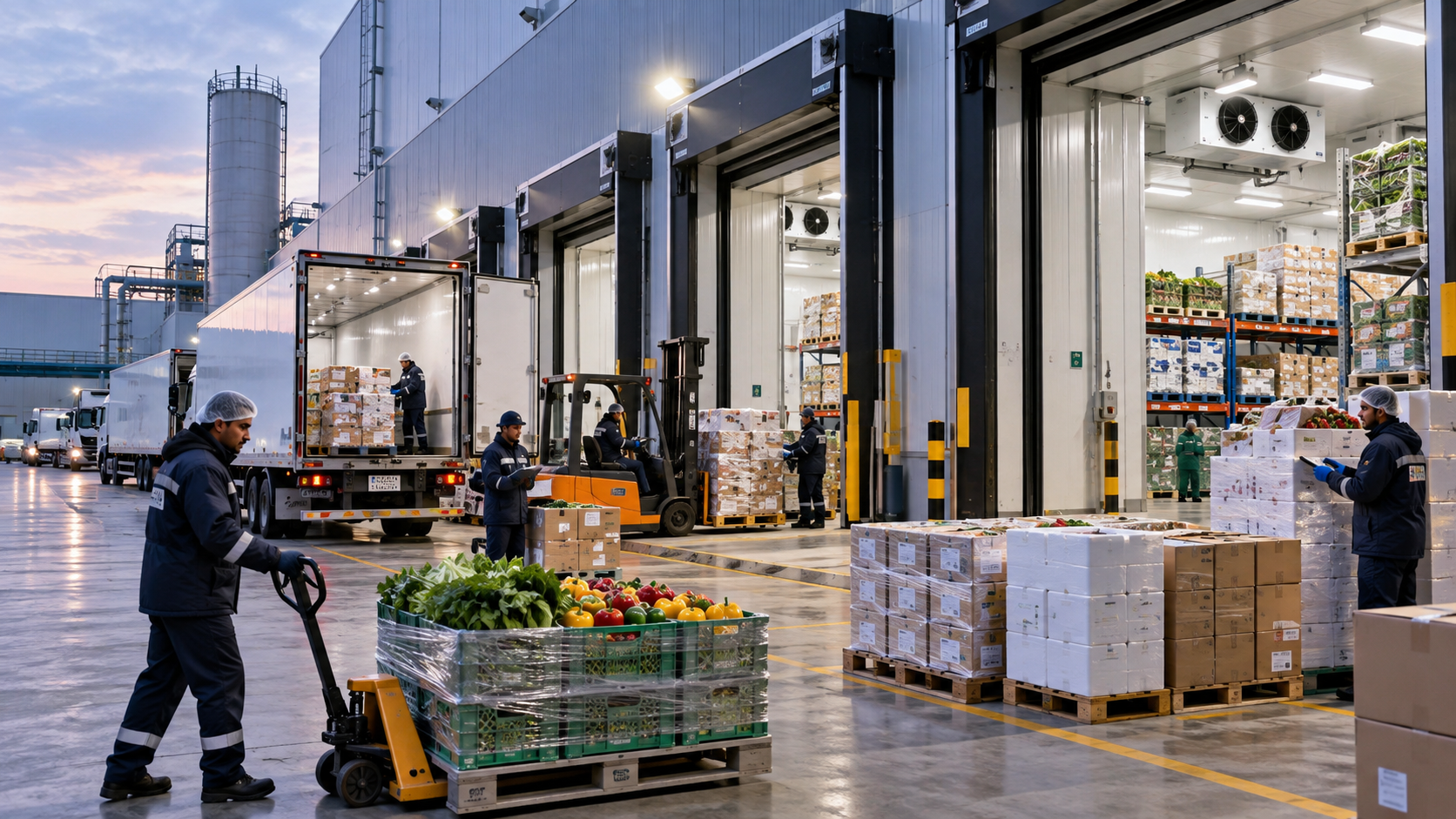
 Cold Storage Facilities
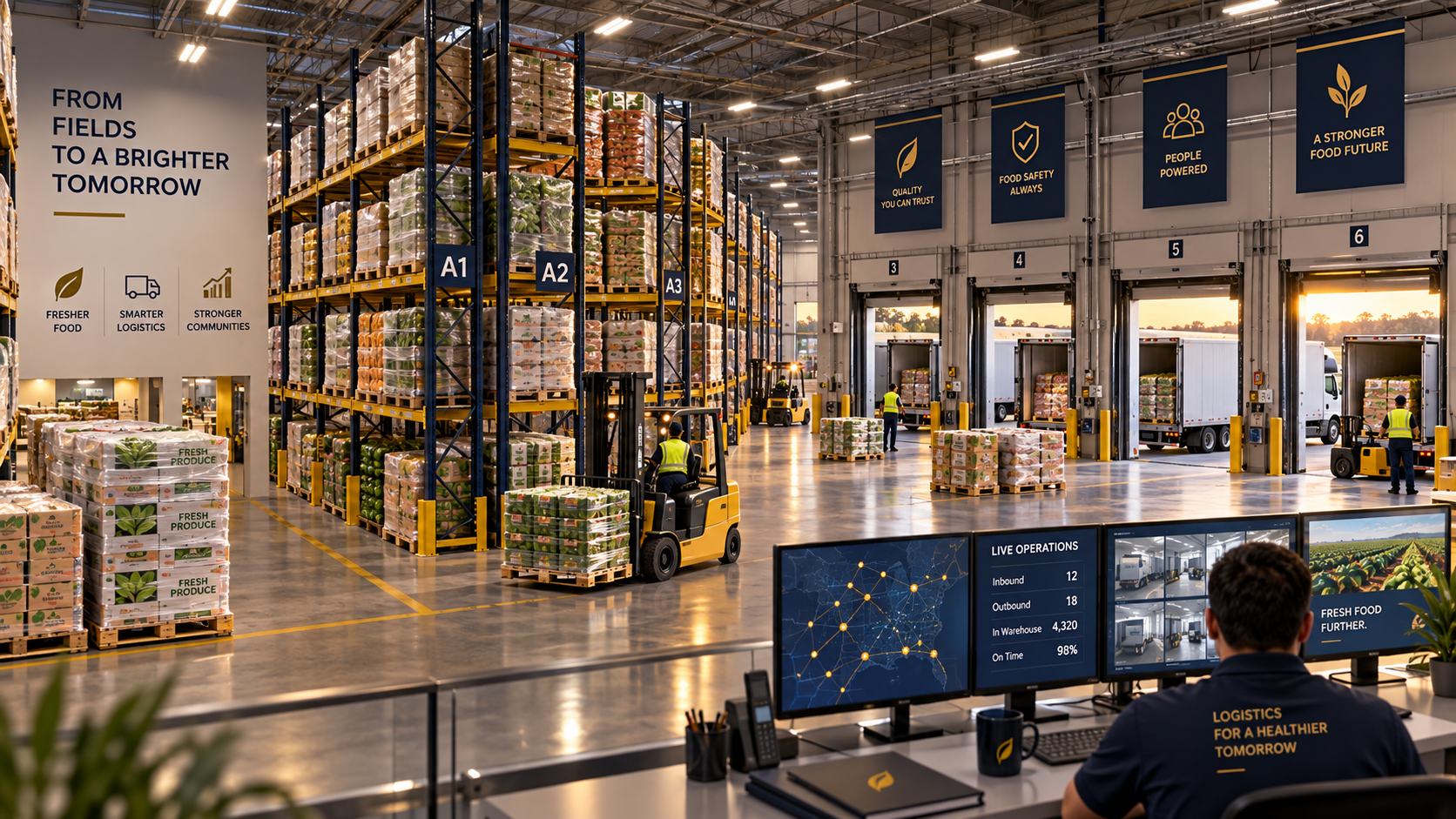
 Warehouse & Logistics
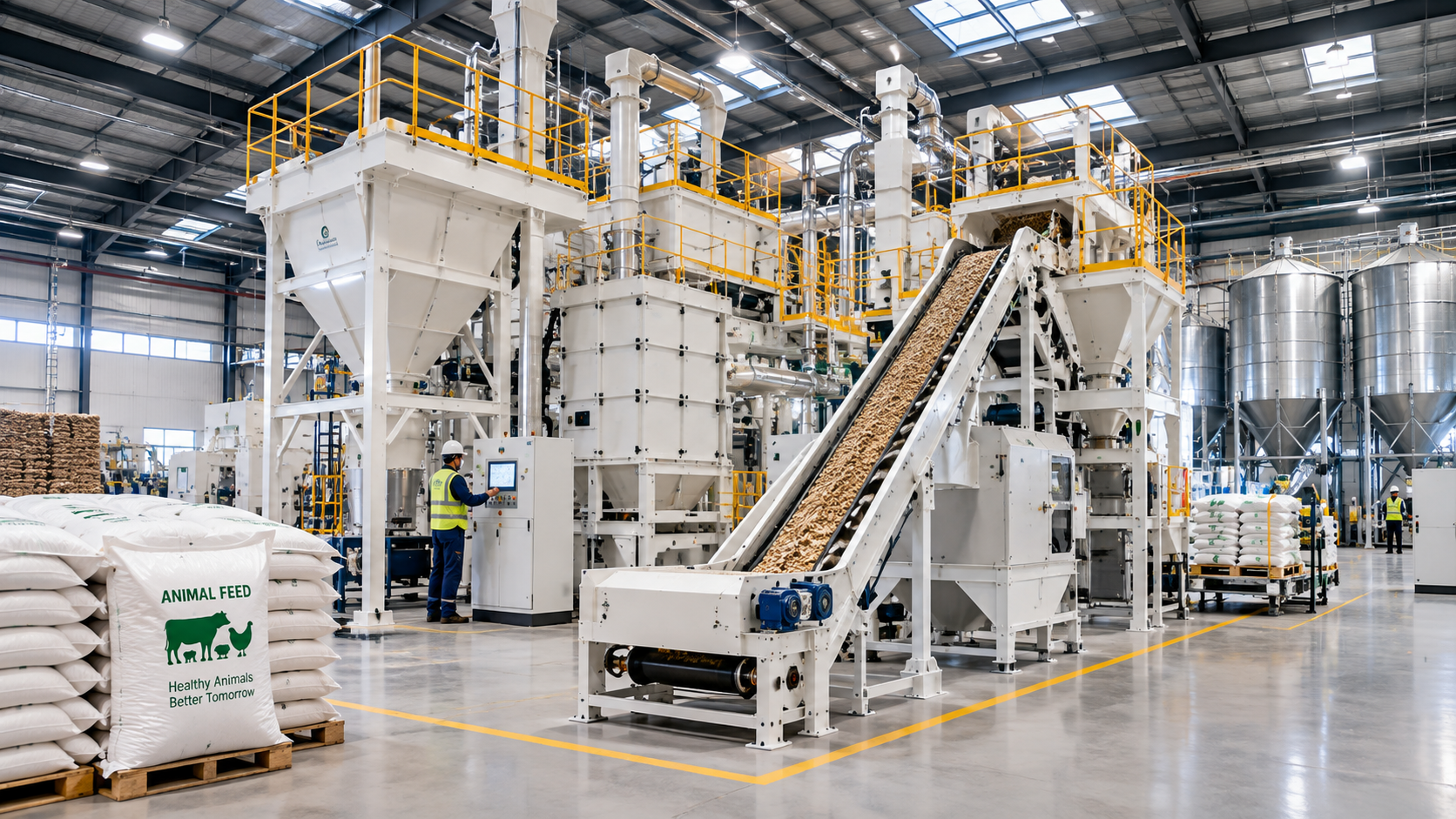
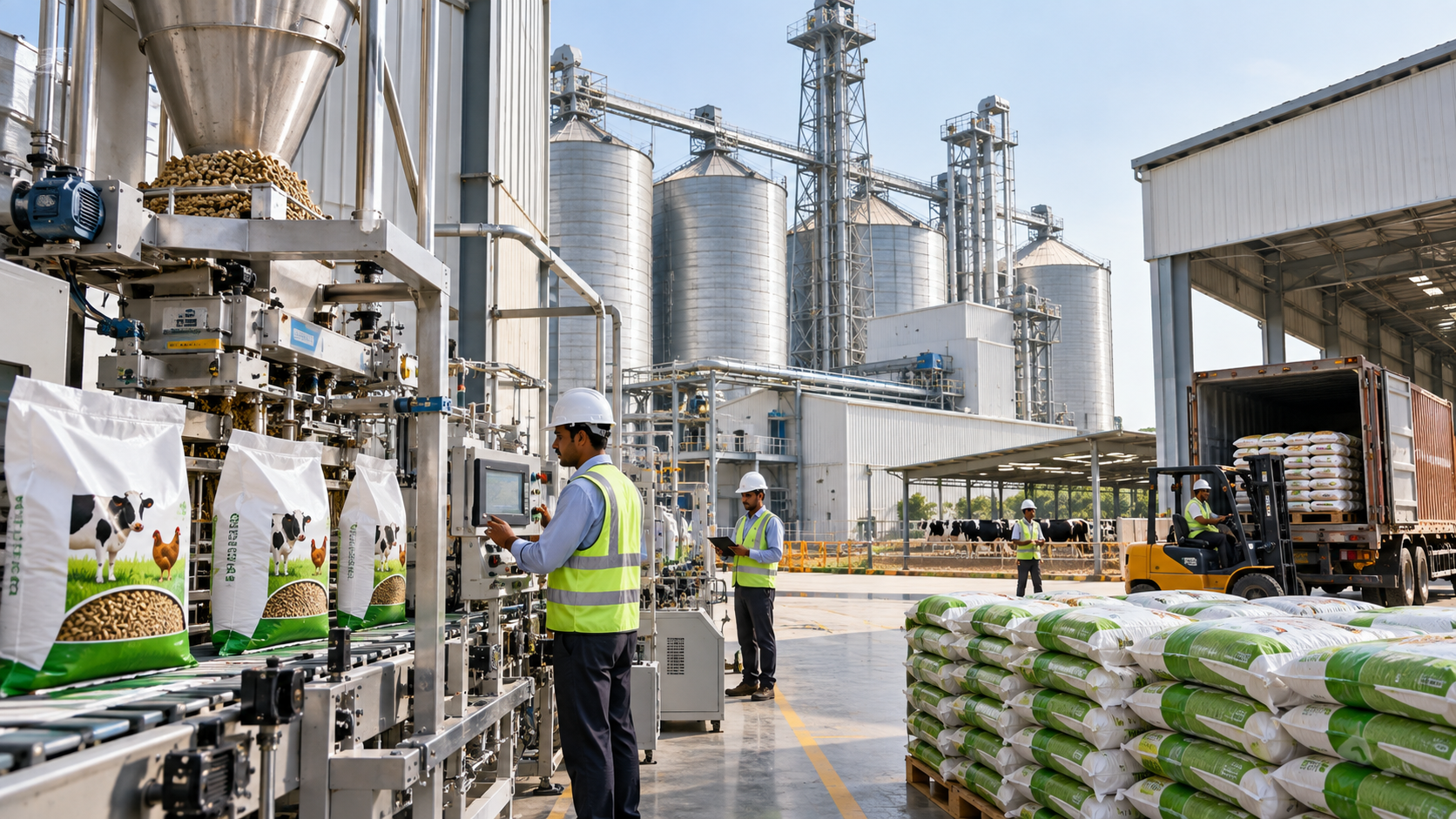
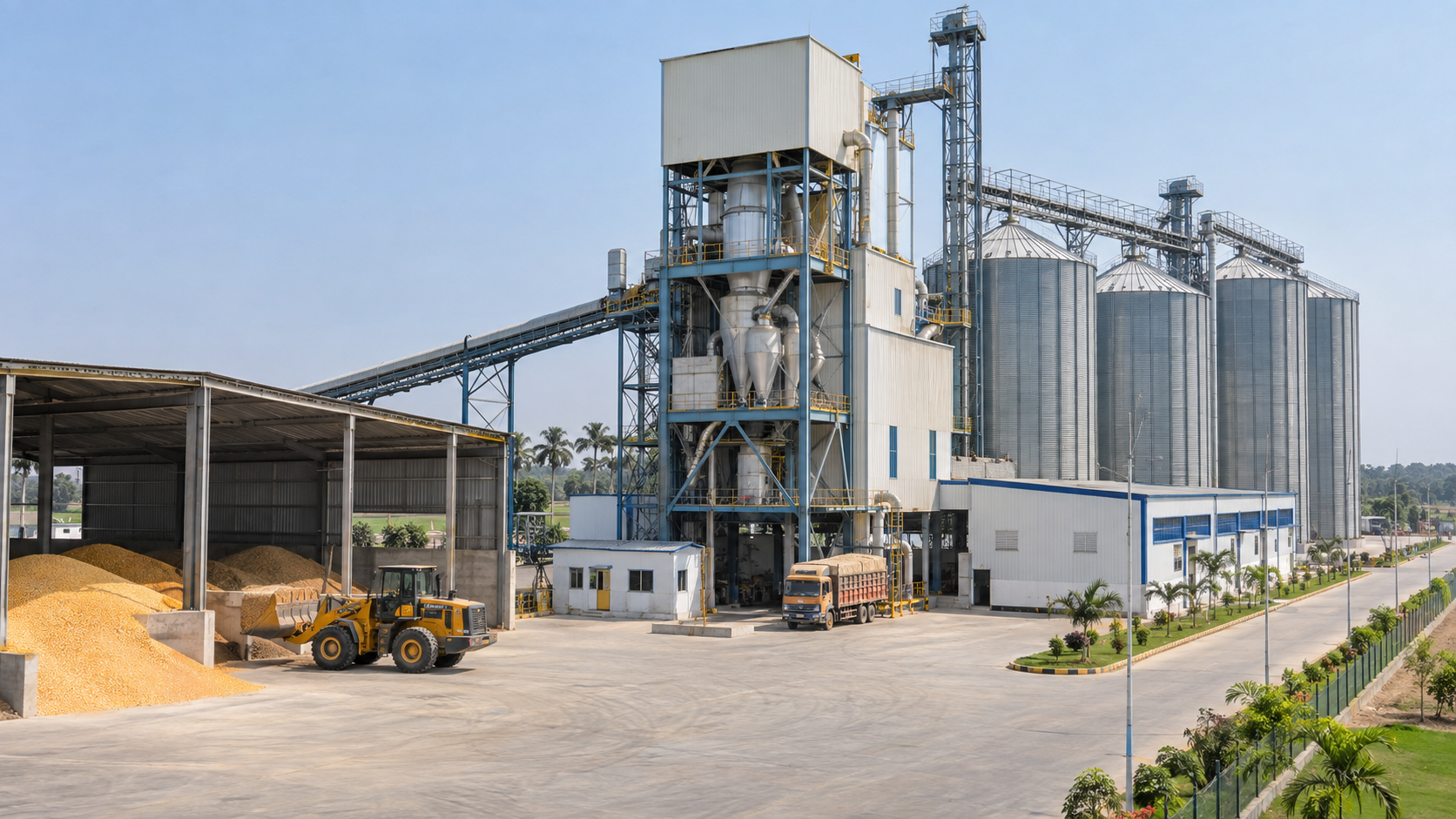 Animal Feed Production
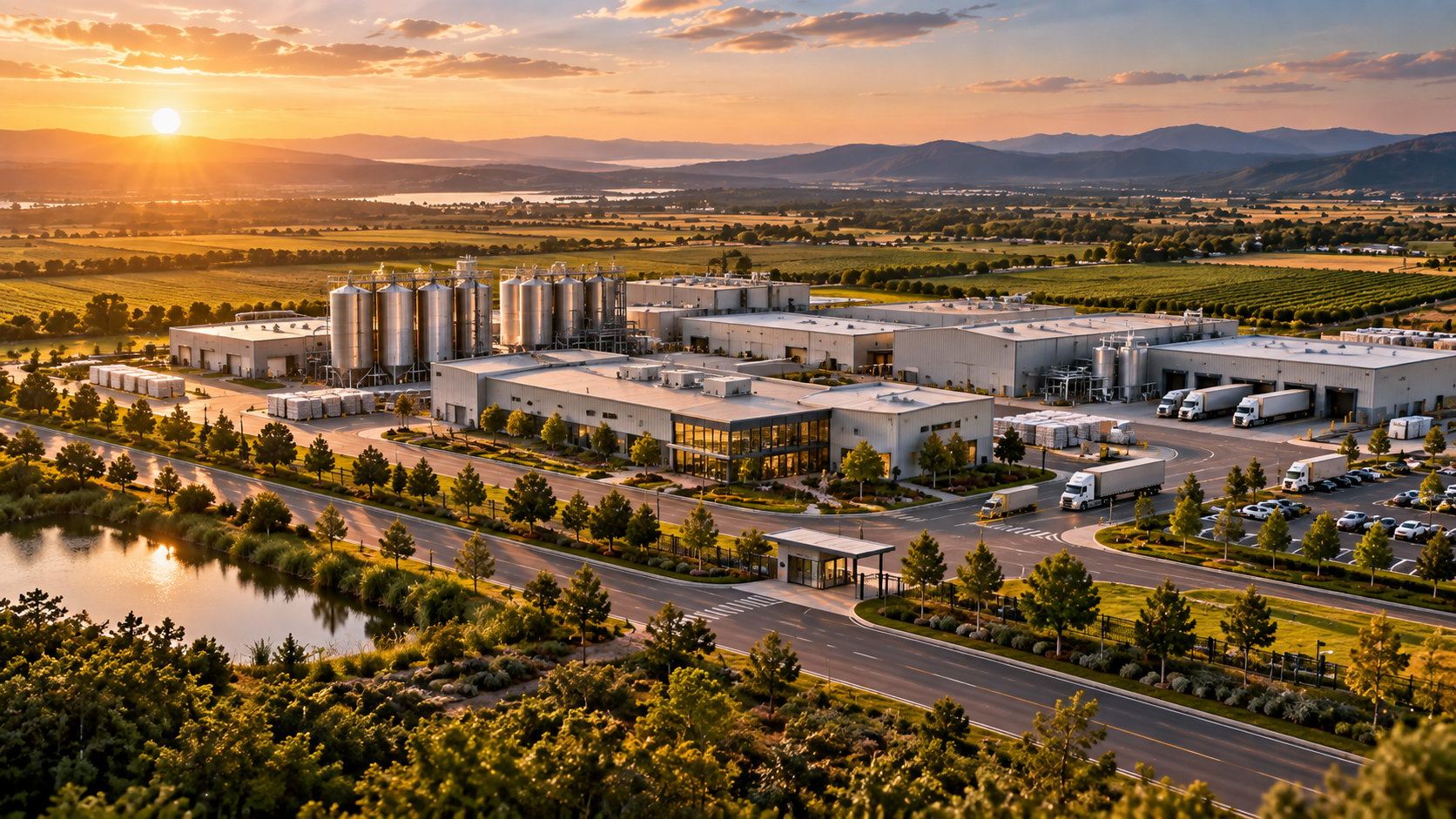 Income-Oriented Commercial Infrastructure

Real Economic Use Can Support Resilience
Sentiment-driven and purely speculative investments can be heavily influenced by market pricing and investor behaviour. Productive real assets derive their economic relevance from actual use, customers, infrastructure and operations.
That does not make an asset immune to every economic condition, but it can mean that its underlying purpose remains relevant during periods of uncertainty.
- Serve essential human and business needs
- Support ongoing economic activity
- Remain linked to real-world operations and infrastructure
- Offer potential for operating income and long-term asset value

You Own the Specific Asset Completely
With BARON, the proposition is not simply to buy a fractional share of a pooled asset. The investor owns the specific underlying asset according to the relevant legal and acquisition structure—such as a defined parcel of land, a productive facility or commercial infrastructure.
Bizquick supports development and professional management services according to the applicable project arrangement.
- Clear asset identification
- Defined location and specifications
- Applicable ownership documentation
- Professional development and management support
- Project-specific commercial and exit terms
From Capital to Ongoing Income Potential

Capital
Allocate capital to an appropriate asset category.

Identify Asset
Select a suitable project based on objectives and availability.

Acquire
Own the specific asset through applicable documentation.
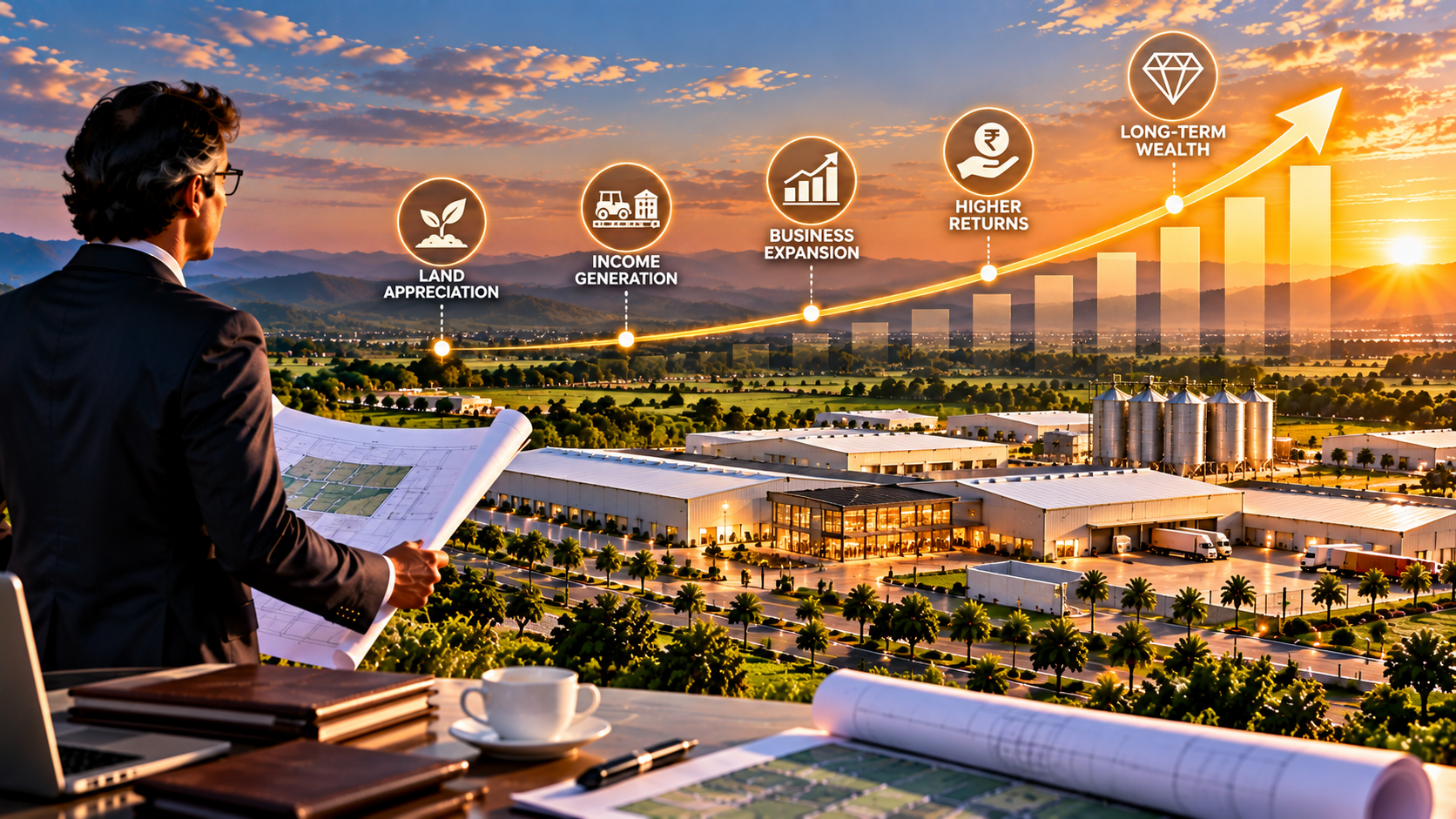
Develop
Develop or enhance the asset for productive use.
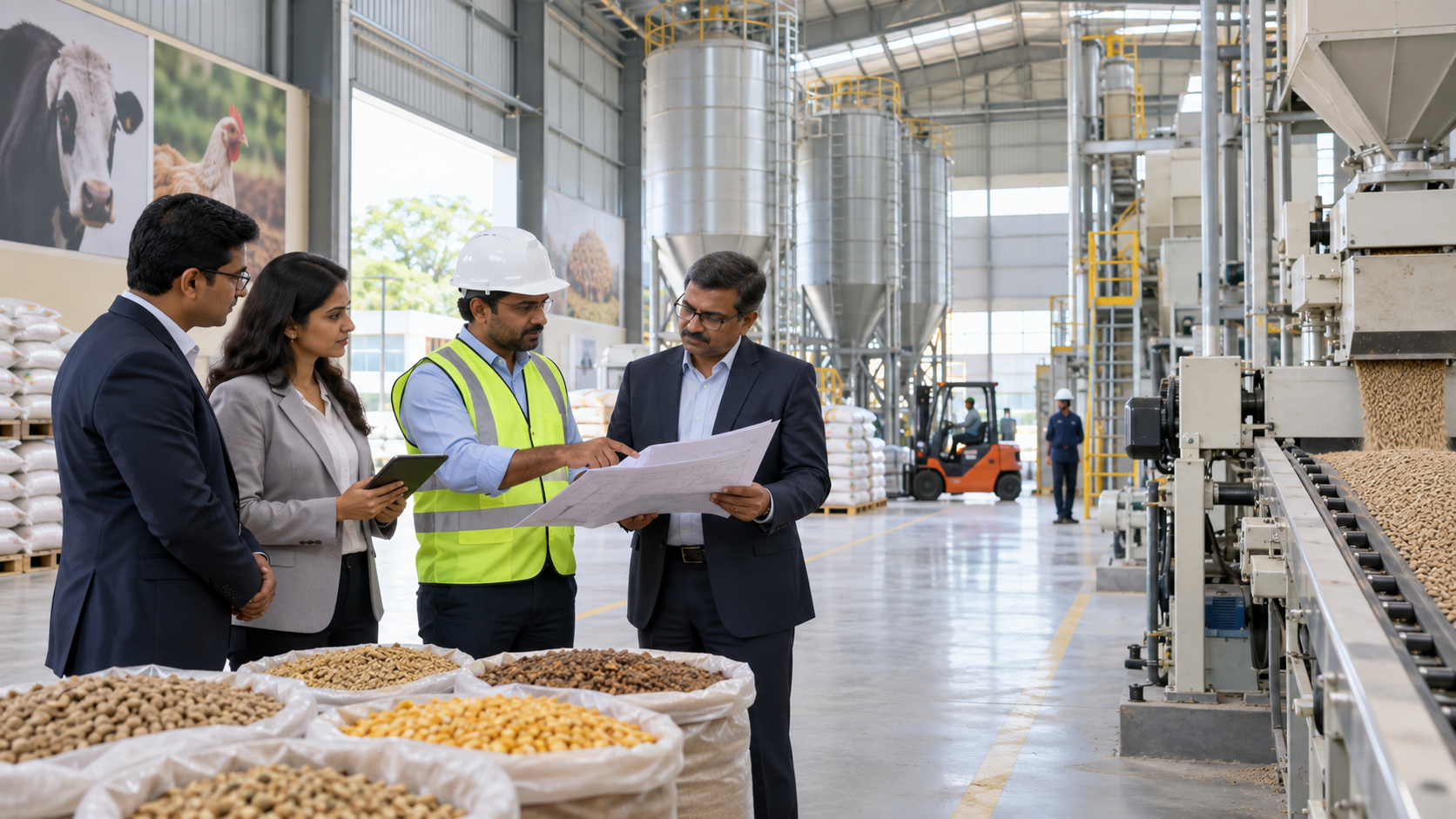
Professional Operations
Day-to-day operations are managed under the relevant agreement.
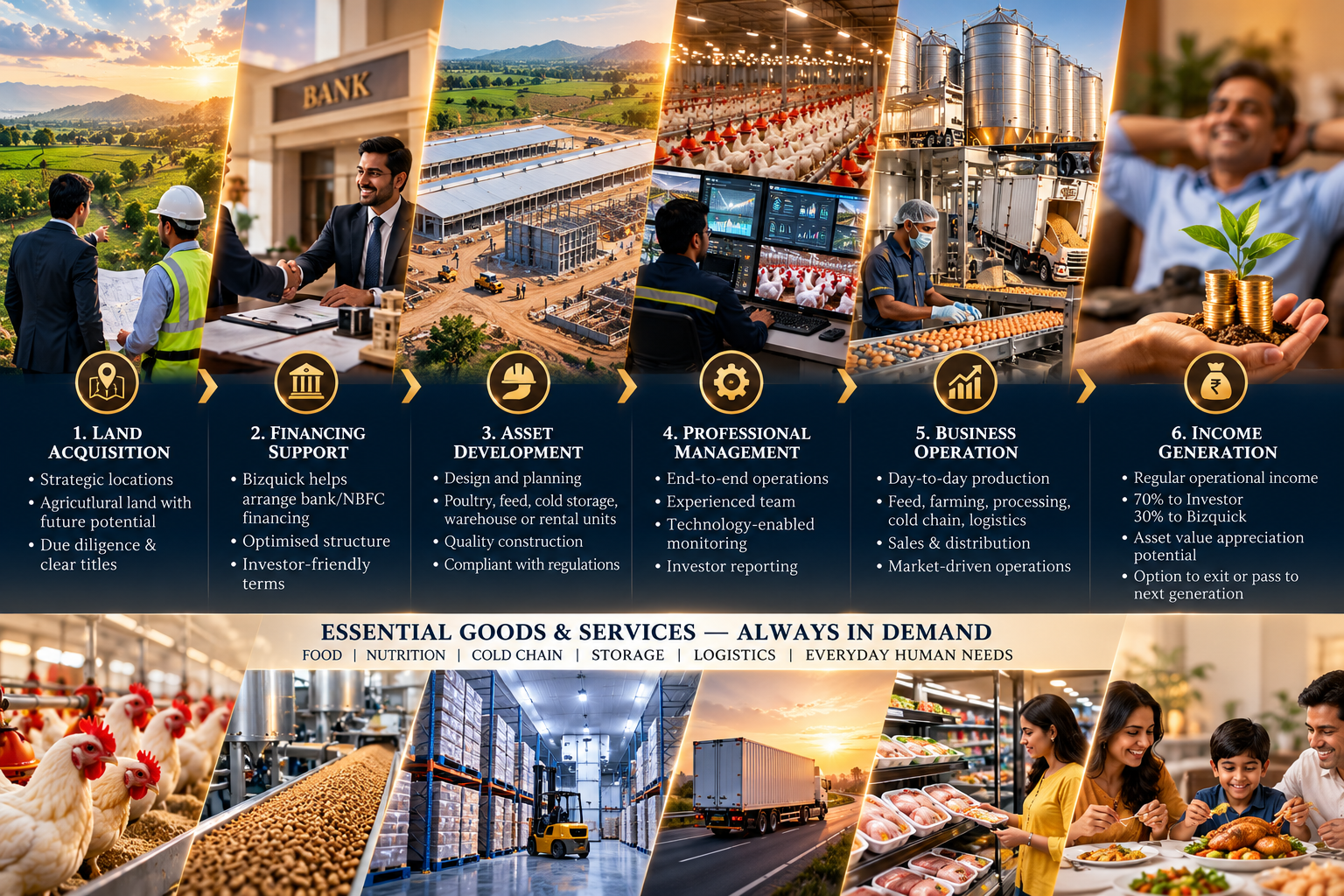
Income Potential & Long-Term Value
Productive use may create operating-income potential alongside long-term asset value.
Sectors Supporting the Real Economy

Demand for food continues across different economic cycles.
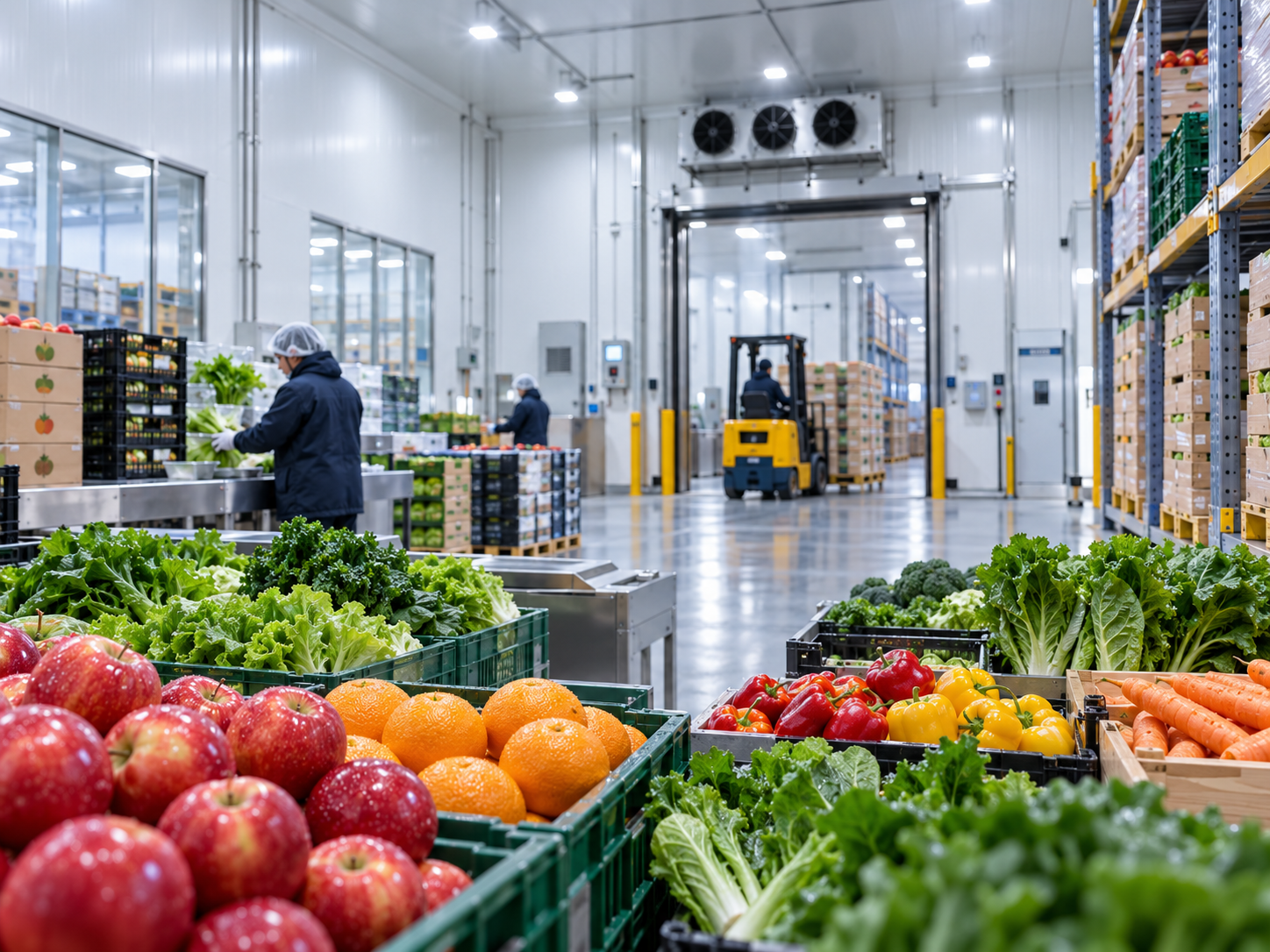
Perishables require dependable cold storage and handling.
Movement of goods remains essential for producers and consumers.

Businesses continue to require functional infrastructure and facilities.
Own Assets Connected to the Real Economy
Explore investor-owned agricultural and commercial assets built around productive use, professional management and long-term ownership.
Explore Private Investor Access →Common Investor Questions
What makes an asset “productive”?
A productive asset is used in economic activity—such as food production, storage, logistics, manufacturing or commercial operations—rather than being held solely in expectation of price appreciation.
Why can essential-use sectors remain relevant during downturns?
Economic downturns can reduce discretionary spending, but recurring needs such as food, storage, distribution and essential business infrastructure continue to exist. Demand and profitability can still fluctuate, so relevance should not be confused with guaranteed performance.
Do BARON investors own the underlying asset?
The BARON proposition is structured around ownership of the investor’s specific underlying asset according to the applicable legal and acquisition structure, rather than merely a fractional interest in a pooled asset.
Which productive assets may be available through BARON?
Depending on project availability, categories can include agro-commercial land, managed poultry estates, cold storage, warehouse and logistics infrastructure, animal-feed production and income-oriented commercial assets.
Who manages day-to-day operations?
Bizquick supports development and professional management under the relevant project agreement, reducing the need for the investor to personally manage routine operations.
Does essential demand guarantee investment returns?
No. Essential economic use can support the relevance of an asset, but returns depend on project economics, operating performance, costs, financing, market conditions, regulation and other project-specific factors.
Related Articles

Asset-Backed Passive Income: A Beginner’s Guide to Productive Real Assets
Read Article →
Benefits of Investing in a Poultry Farm as a Real Asset
Read Article →
Cold Storage and Logistics: Real Assets for a Growing Economy
Explore Bizquick →This article is for educational and informational purposes only and does not constitute financial, investment, tax or legal advice or an offer. Productive real assets may serve recurring economic needs, but no asset is immune to economic downturns or project-specific risk. Investments in real assets involve market, operating, financing, regulatory, liquidity and project-specific risks. Income, appreciation and exit outcomes are not guaranteed. Investors should review relevant project documentation, conduct independent due diligence and obtain appropriate professional advice before making an investment decision.