
Build Asset-Backed Passive Income for Financial Independence
Turn capital into investor-owned, productive real assets designed to participate in recurring operating income while building long-term tangible value.
Explore BARON Investor Access →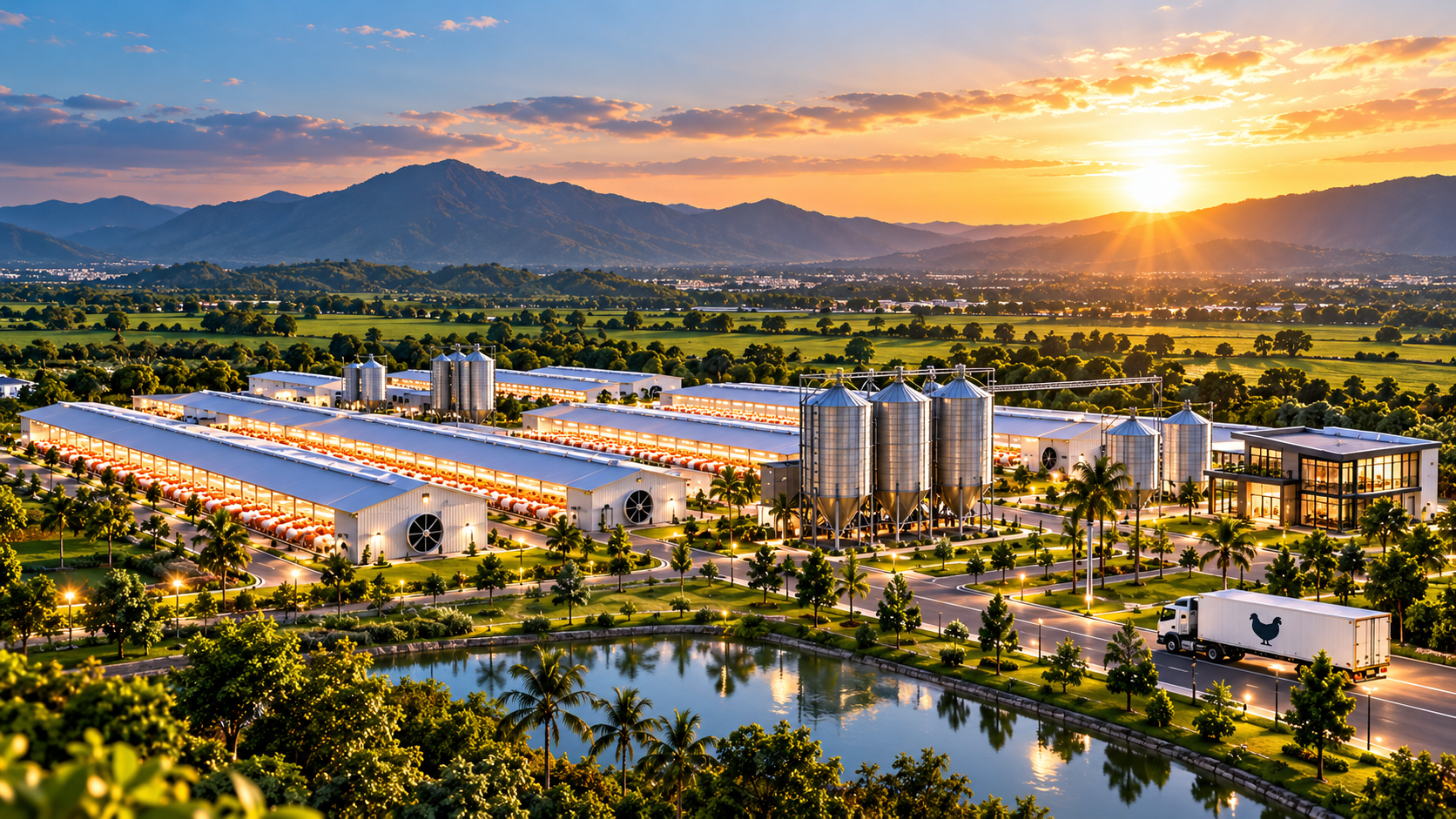
How to Retire Early with Asset-Backed Passive Income
Financial independence is about building sufficient income-producing assets so employment income is no longer the only foundation of your financial life.
BARON approaches this objective by converting investor capital into specific productive real assets that can participate in operating income while retaining an identifiable underlying asset.
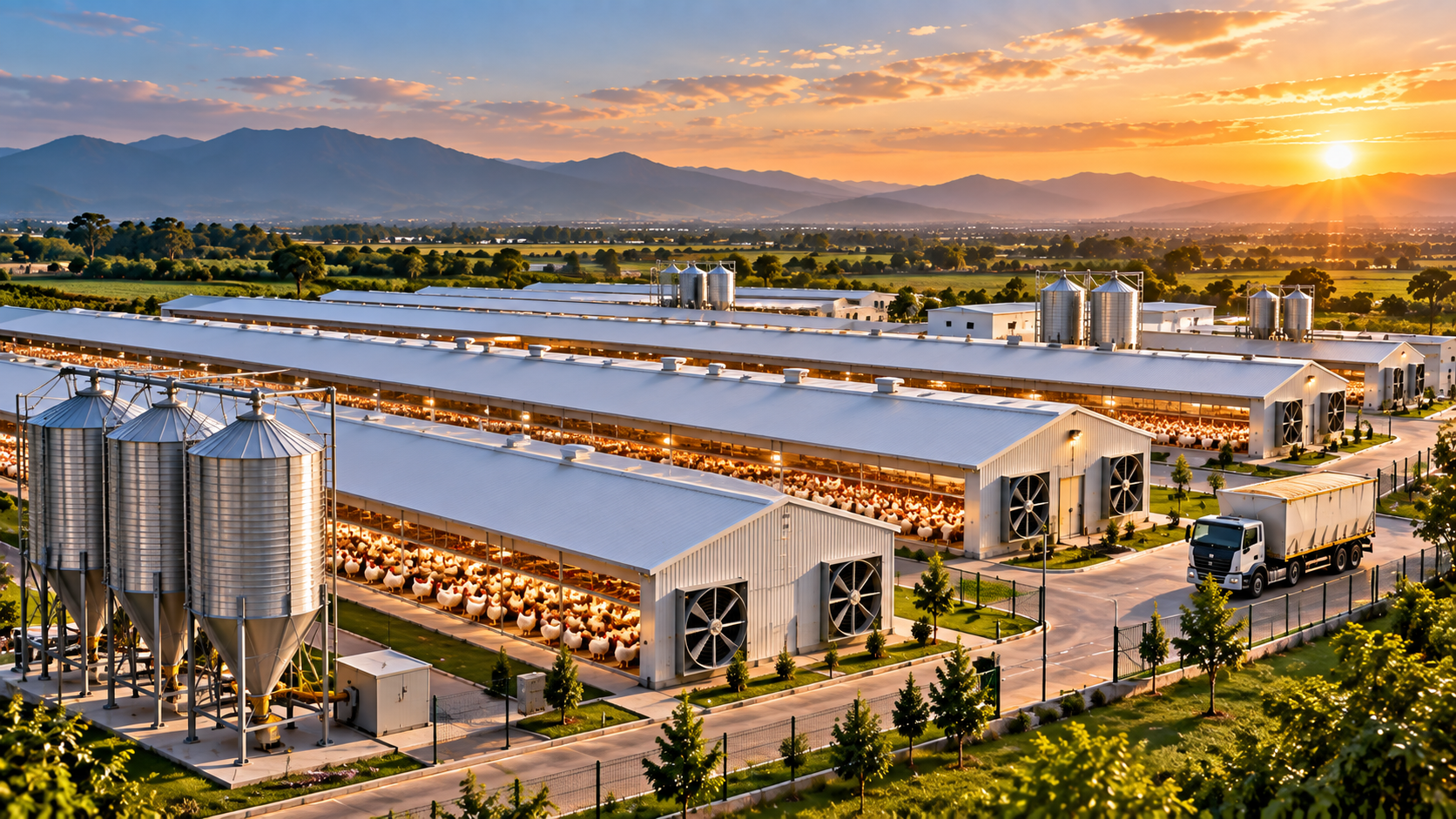
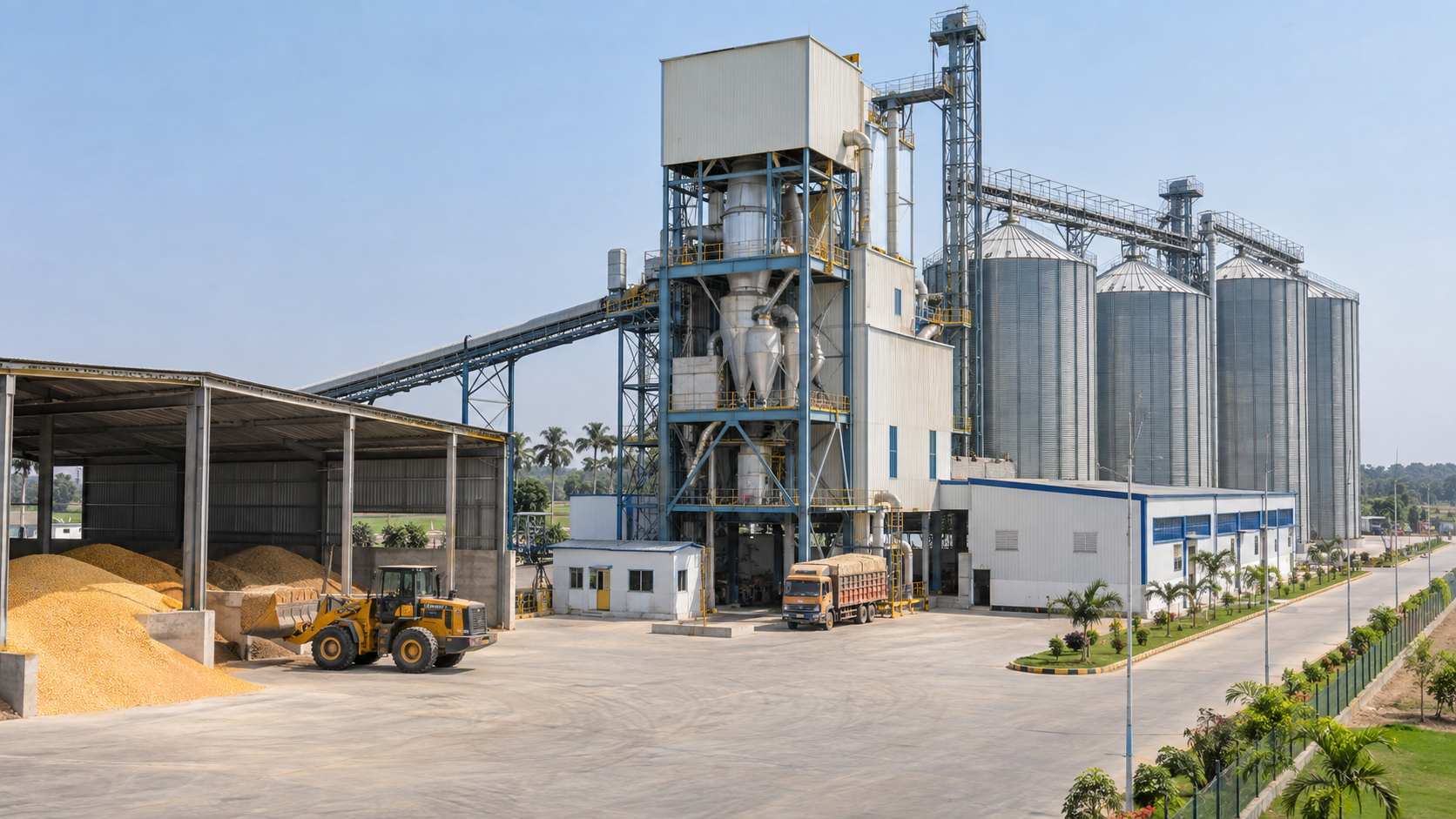
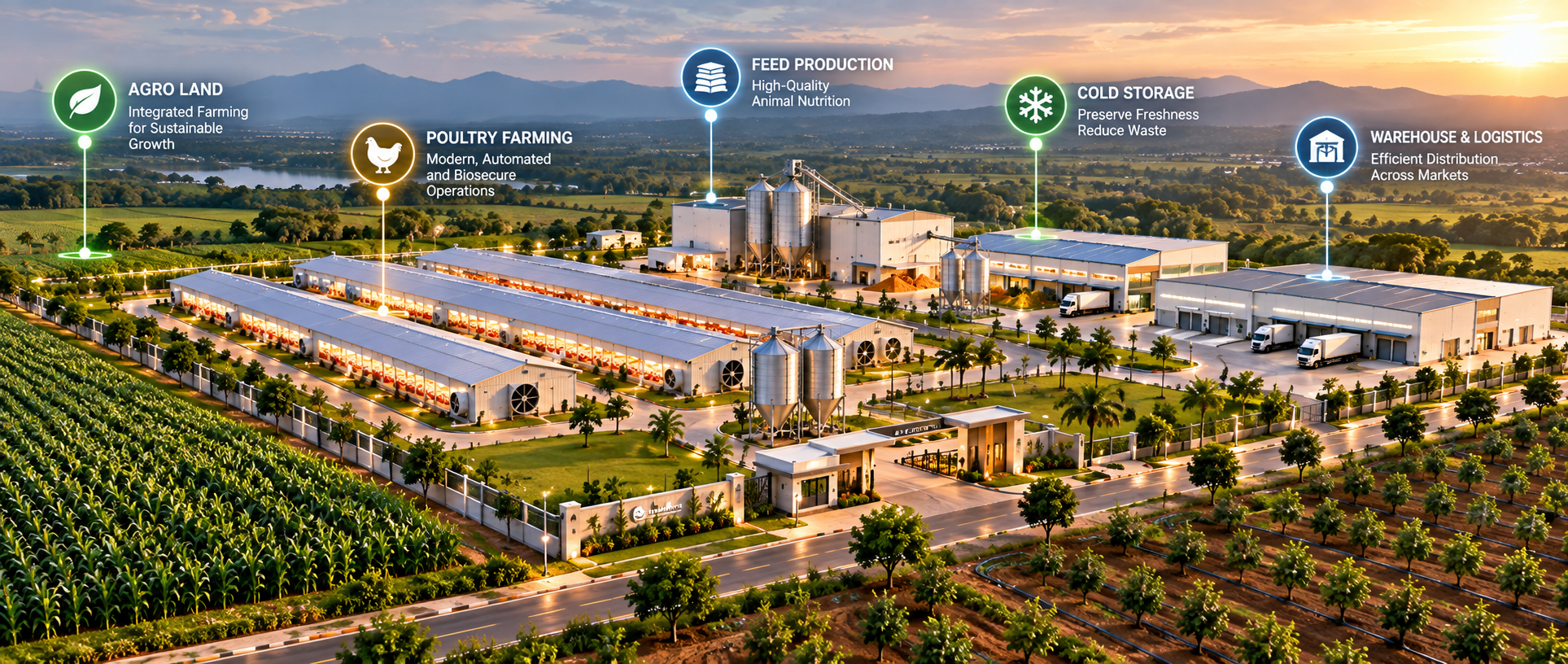
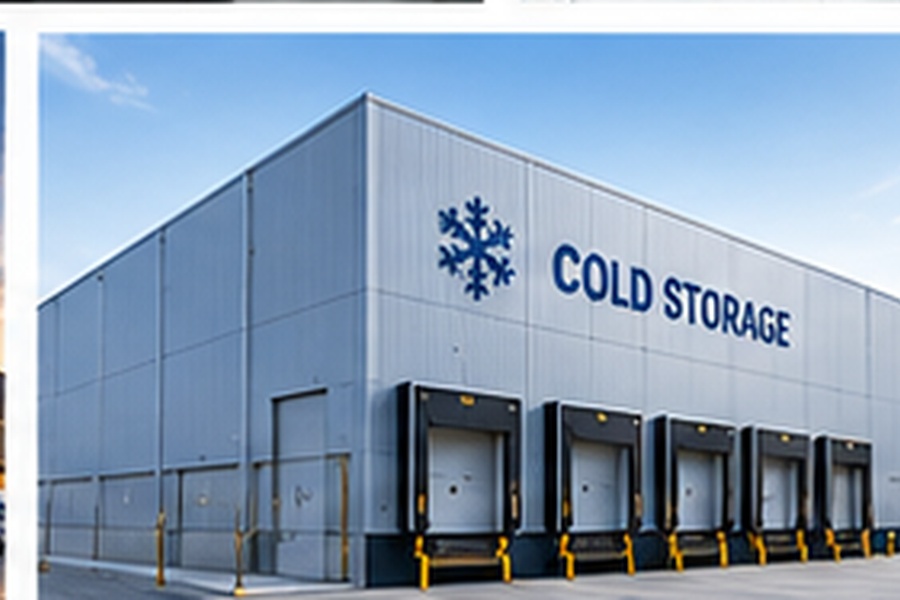
Bizquick structures opportunities around agricultural land, managed poultry estates, animal-feed production, cold storage, warehouse and logistics infrastructure, and income-oriented commercial assets, supported by professional development and management.
What Is Asset-Backed Passive Income?
Asset-backed passive income is potential income associated with owning a real, productive asset that is operated professionally while the underlying asset remains part of the investor's wealth base.
Instead of keeping capital entirely idle or relying only on market-linked financial instruments, capital can participate in real economic activity through sectors such as food production, logistics, storage and commercial infrastructure.
The objective is to combine ownership + productive use + professional management + potential operating income + long-term asset value.

Idle Capital or Passive Holdings
- May provide limited or no operating income
- No direct ownership of a productive operating asset
- Can depend heavily on financial-market movements
- Purchasing power can erode over long periods
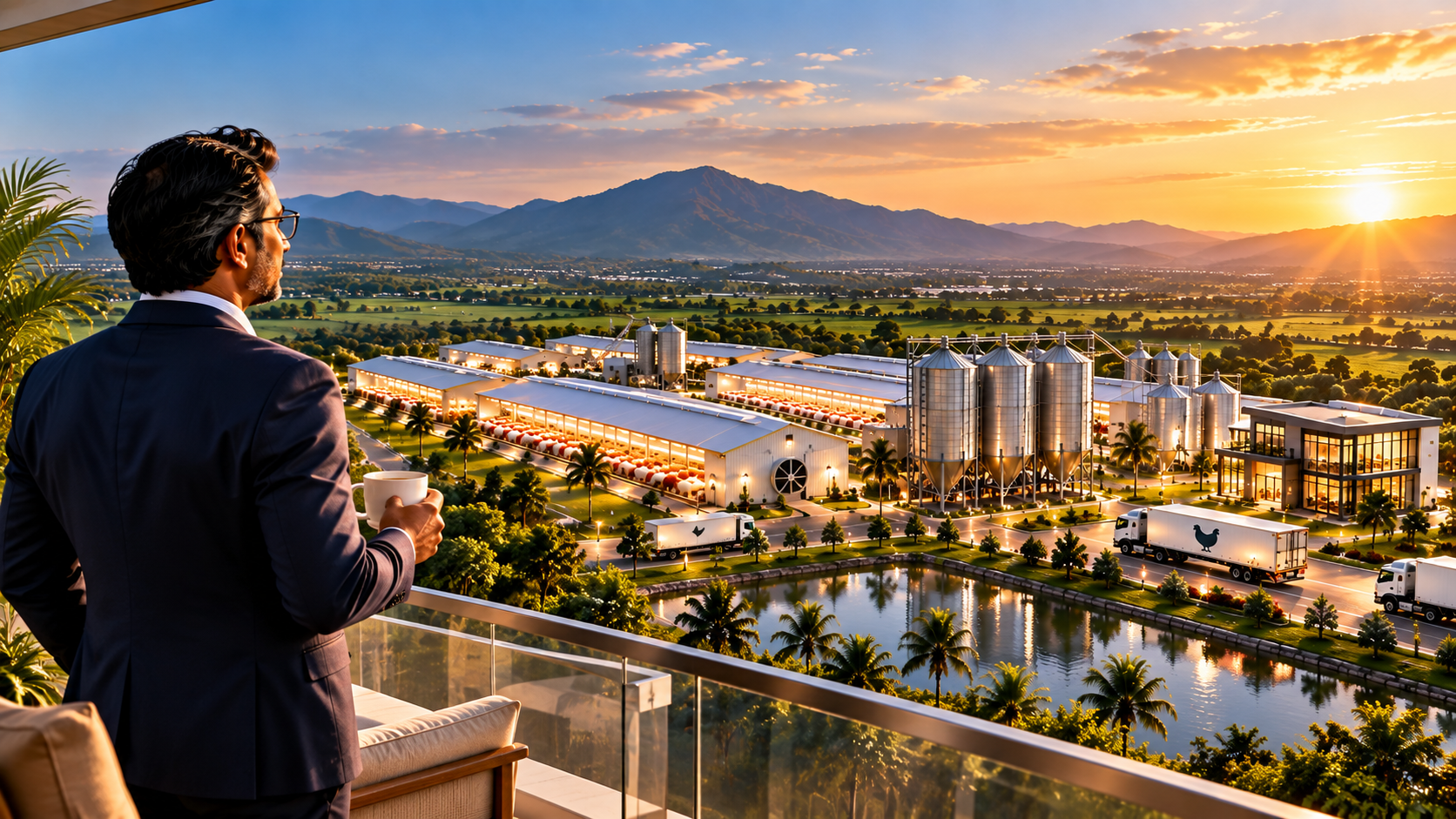
Productive Asset Ownership
- Exposure to identifiable land or productive assets
- Potential participation in operating income
- Underlying asset may appreciate over time
- Utility linked to food, storage, logistics or commerce
The Journey from Capital to Passive Income
A simplified view of how investor capital can be converted into a professionally managed productive asset.
Capital Allocation
Define capital available for productive asset ownership.
Identify Opportunity
Select a suitable asset category and project.
Acquire Land / Asset
Acquire the specific underlying asset.
Develop Infrastructure
Develop for productive commercial use.
Professional Management
Bizquick manages the applicable operating framework.
Business Operations
The asset participates in real economic activity.
Potential Income + Value
Operating income potential plus long-term asset value.
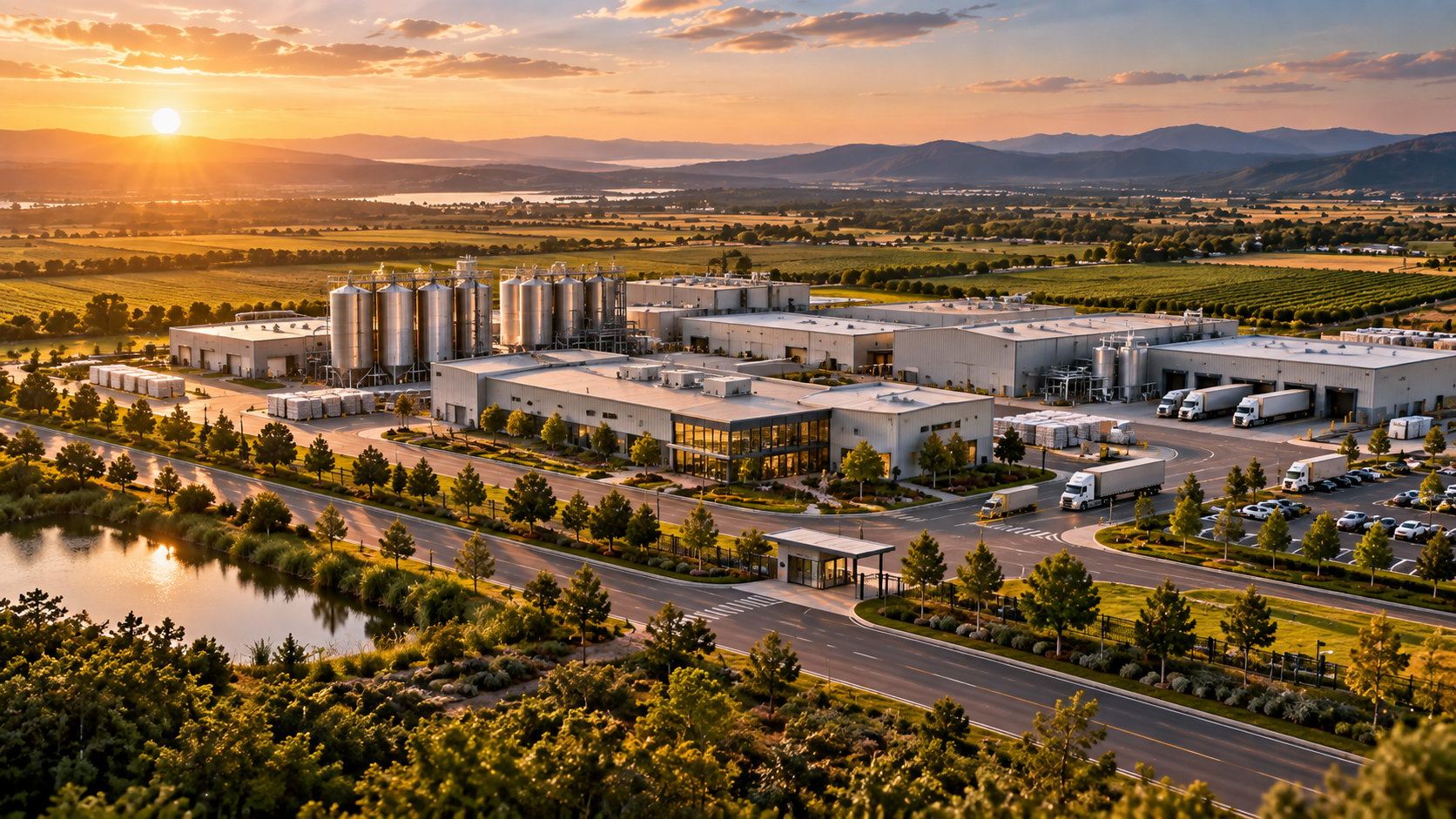
A Portfolio of Real Assets with Practical Economic Utility
BARON is designed around tangible assets connected to real economic activity, including food production, storage, distribution, logistics and commercial infrastructure.



Why Professional Management Matters
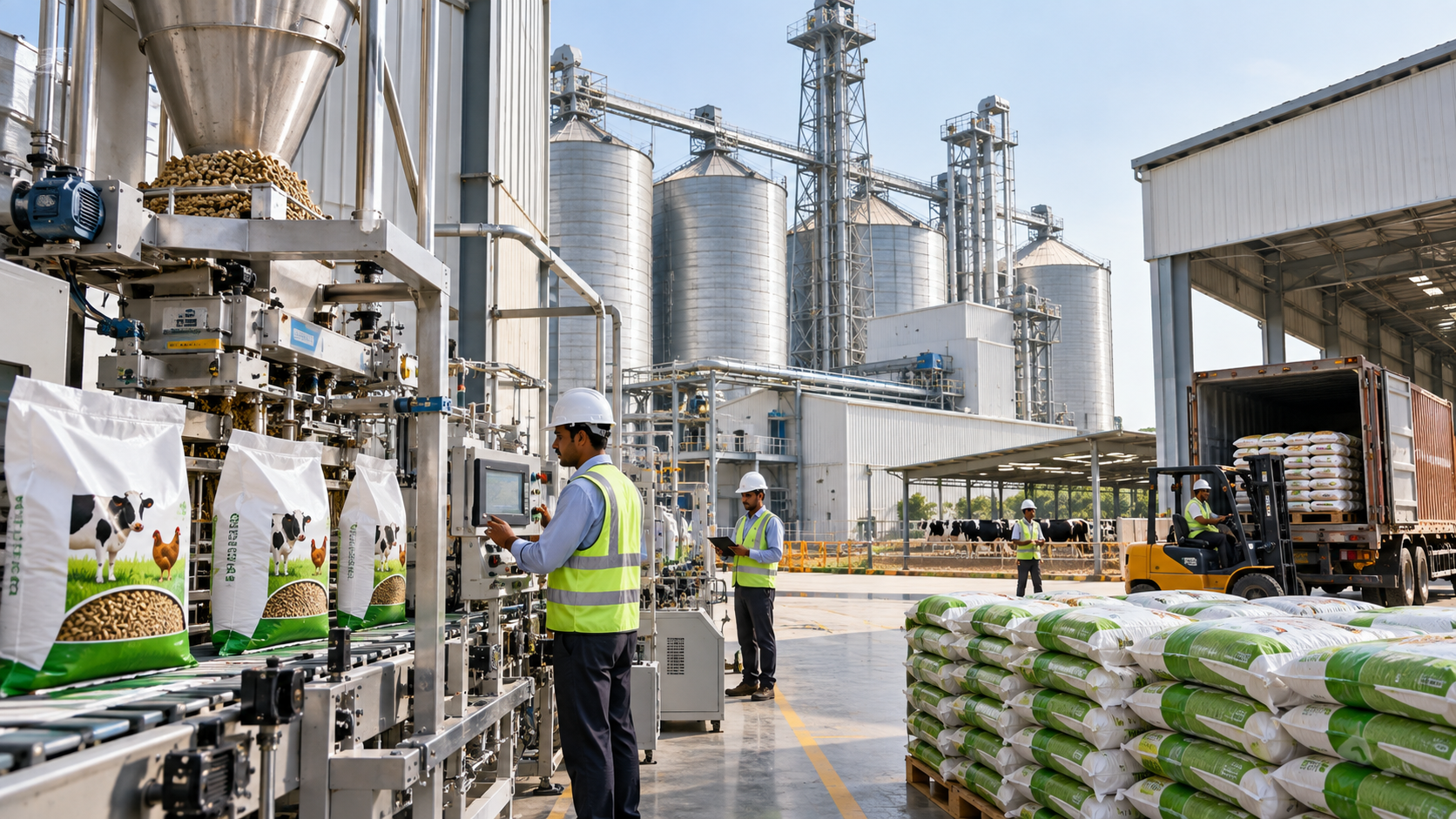
Productive assets require sector knowledge, development capability, operating discipline and continuous management. The investor should not have to personally run a poultry estate, feed plant, cold-storage facility or warehouse in order to own the underlying productive asset.
Bizquick's role is to bridge that gap through project development, operating systems and professional management, allowing the investor to focus on ownership and long-term financial objectives.
You Own the Asset
- Specific identifiable asset
- Tangible ownership structure
- Long-term value and legacy potential
Bizquick Operates & Manages
- Project development
- Day-to-day operational management
- Industry-oriented operating systems
A Portfolio Approach to Financial Independence
Financial independence can be approached progressively: begin with one productive asset, then use available capital and income to build a broader portfolio over time.
Invest in Your First Productive Asset

Reinvest Available Income

Add Complementary Productive Assets
Diversify Operating Income Sources

Build Long-Term Family and Legacy Assets
The BARON Ownership Model
BARON is structured around ownership of the specific underlying asset according to the applicable legal and acquisition structure. Bizquick develops, operates and manages the project under the relevant agreement.
Under the BARON operating model, the stated operating-income sharing structure is:
Exact ownership, commercial and income-sharing terms applicable to a specific project should be confirmed from its executed documentation.
Financing Support

Bizquick can assist eligible investors in exploring suitable financing options through banks, NBFCs or other lenders, subject to lender approval, eligibility and applicable terms.
- Processing costs may apply
- Tenure depends on lender and project
- Financing remains subject to lender due diligence
- Repayment obligations should be assessed against expected project cash flows
Investor Due Diligence
- Land title and legal documentation
- Project economics and operating assumptions
- Financing terms and repayment obligations
- Operating model and management agreement
- Market demand and sector outlook
- Liquidity and exit provisions
- Project-specific operating and commercial risks
Explore Asset-Backed Passive Income
Take the next step toward building a portfolio of investor-owned productive assets supported by professional development and management.
Explore Private Investor Access →Common Investor Questions
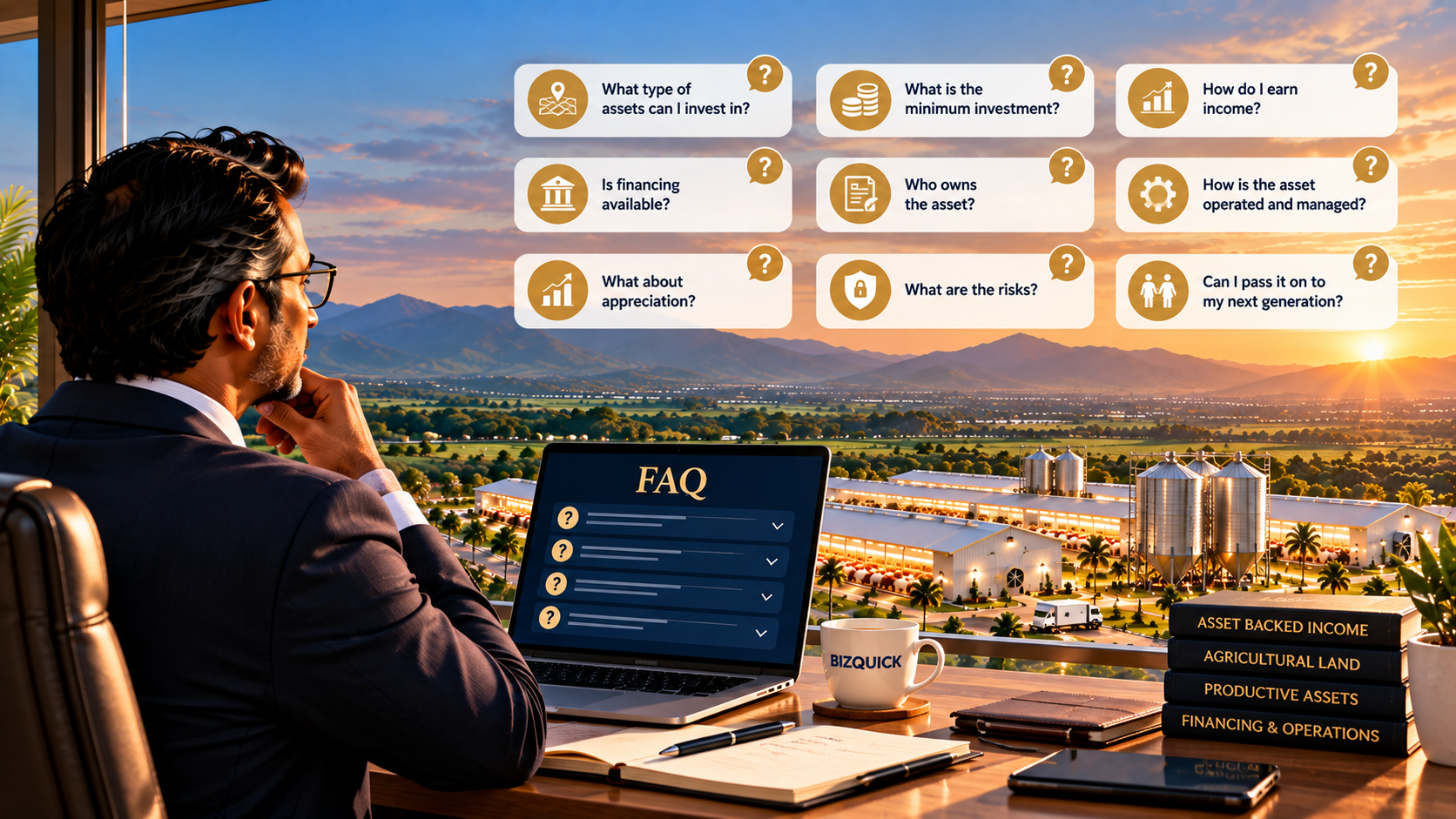
What is asset-backed passive income?
It is potential income associated with owning a tangible productive asset that is professionally operated while the investor retains ownership according to the applicable project structure.
Which types of assets are available through BARON?
Depending on current project availability, BARON can include agricultural land, managed poultry estates, animal-feed production, cold storage, warehouses and logistics, and income-oriented commercial infrastructure.
Do I own 100% of the asset?
BARON is designed around investor ownership of the specific asset rather than fractional pooled ownership. The precise ownership structure should be verified from the selected project's legal documentation.
How does the 70% / 30% income sharing work?
Under the stated BARON operating model, 70% of applicable operating income is allocated to the investor and 30% to Bizquick for operations and management, subject to the specific project agreement.
Can Bizquick help with financing?
Bizquick can assist eligible investors with relevant bank or NBFC financing processes where appropriate. Approval and terms remain subject to the lender.
What are the key risks to consider?
Productive assets can be affected by operating performance, market conditions, financing obligations, sector conditions, regulation, liquidity and project-specific factors.
Can I exit the investment in the future?
Exit provisions depend on the selected asset and applicable contractual structure. Investors should review liquidity, transfer and exit terms before committing capital.
How do I get started?
Use BARON Investor Access to proceed through the investor information, qualification and consultation process.
Related Articles
This article is for educational and informational purposes only and does not constitute financial, investment, tax or legal advice, an offer, solicitation, promise or guarantee of returns. Productive real assets involve risks including loss of capital, operating performance, project execution, financing obligations, market conditions, regulatory changes and liquidity. References to passive income, operating income, appreciation, financial independence or early retirement describe objectives and potential outcomes, not guaranteed results. Investors should review applicable project documents, conduct independent due diligence and obtain appropriate professional advice before investing.