
Asset-Backed Real Estate Investing: A Reliable Passive Income Stream
Asset-backed real estate combines complete ownership of a tangible asset with productive commercial use. BARON is designed around investor-owned assets that Bizquick develops and professionally manages across agriculture, poultry, cold storage, warehousing, animal feed and commercial infrastructure.
Explore BARON Investor Access →Complete Ownership
The investor owns 100% of the specific asset—not merely a share of it.
Income Potential
Productive commercial use can create recurring income opportunities.
Real Asset
Capital is connected to identifiable land and productive infrastructure.
Multiple Asset Types
BARON spans several productive real-estate categories.
Professional Management
Bizquick manages development and day-to-day commercial operations.
What Is Asset-Backed Real Estate Investing?
Asset-backed real estate investing means acquiring a tangible property or productive real asset that has a defined commercial purpose.
Rather than treating property only as a plot of land or a building waiting for appreciation, productive real estate can be developed for activities such as agriculture, poultry operations, cold storage, warehousing, logistics, animal-feed production or commercial rental use.
Within the BARON model, the investor is the complete owner of the specific asset. Bizquick's role is to help identify, develop and professionally manage the asset and its commercial use.
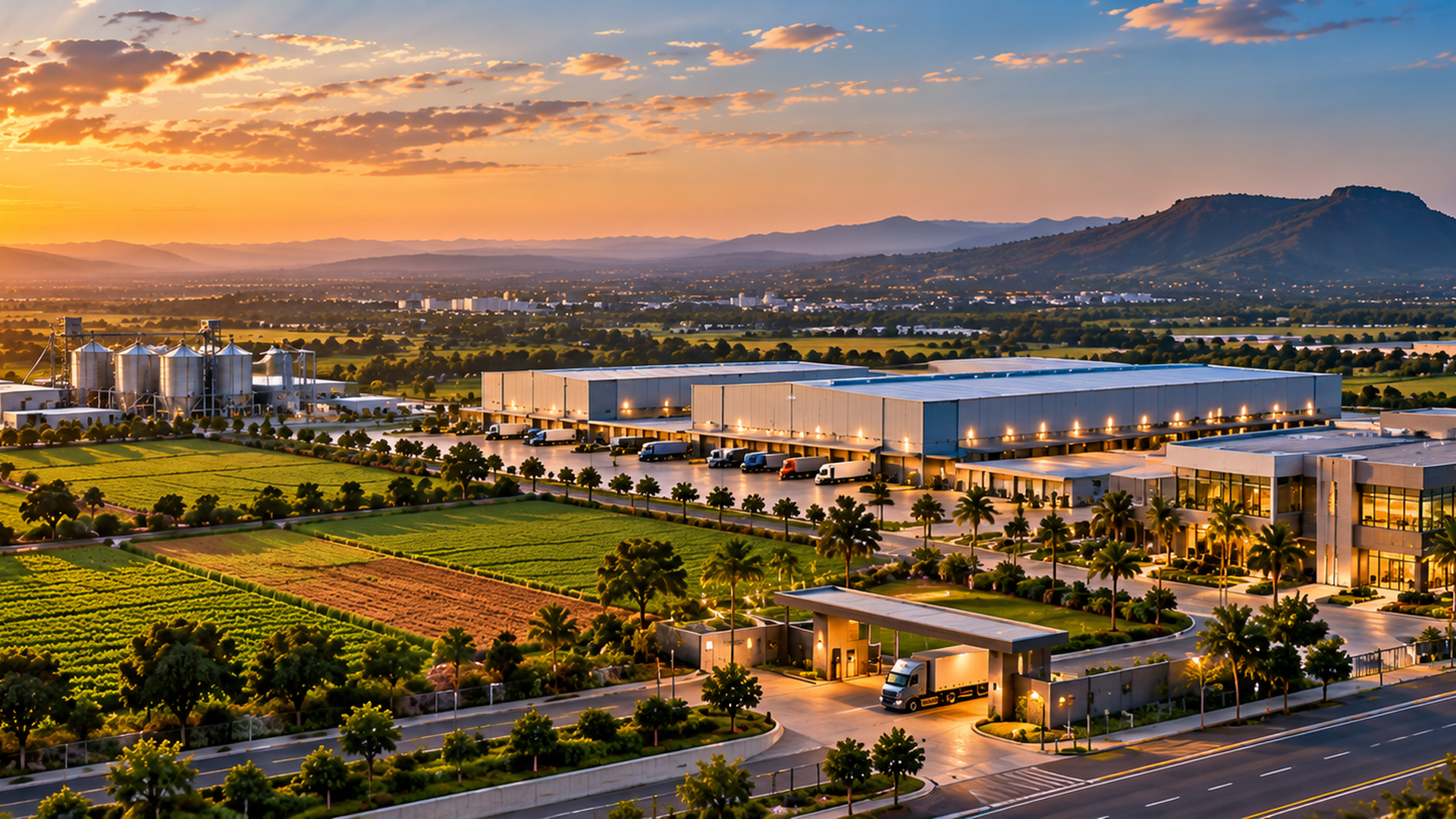
Why Productive Real Estate Can Support an Income Strategy
A productive real asset is designed for commercial use rather than ownership alone.
Its economic purpose may come from operating activity, leasing, storage, logistics, production or another structured commercial use. This creates the possibility of combining asset ownership with income generation while retaining exposure to the long-term value of the underlying property.
For investors who prefer tangible assets, this creates a different wealth-building proposition from purely financial instruments.
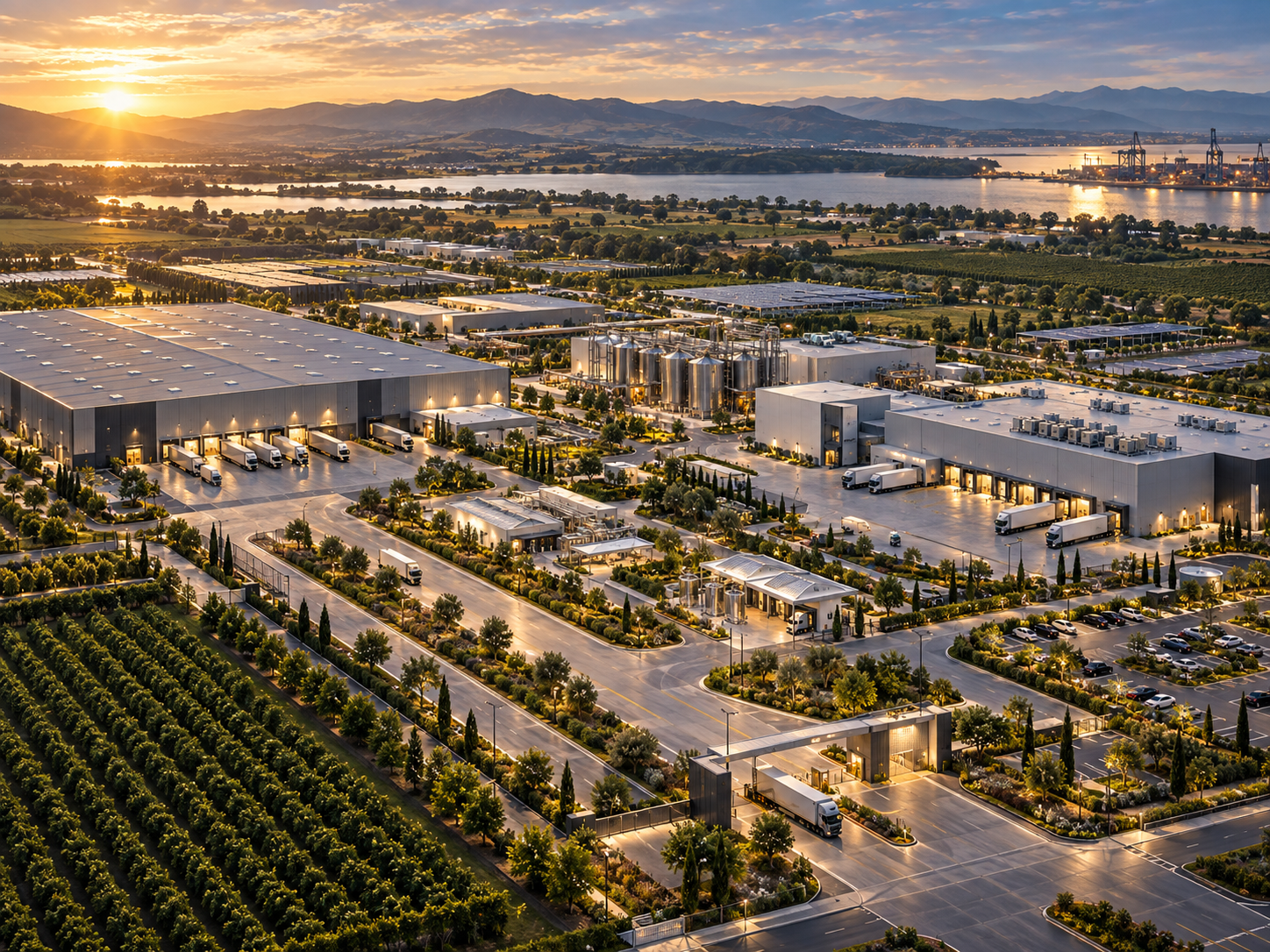
How Productive Real Assets Can Generate Economic Value
Commercial Operations
The asset can support farming, production, storage, logistics or rental activity.
Operator Income
Structured commercial use can create recurring revenue from the asset.
Asset Appreciation
The underlying land and infrastructure may benefit from long-term market value growth.
Multiple Value Drivers
Ownership value and productive use can work together within one real-asset strategy.

Complete Asset Ownership Without Day-to-Day Operational Responsibility
BARON separates ownership from daily operations.
The investor owns 100% of the specific asset. Bizquick develops and manages the productive commercial activity, allowing the investor to remain the asset owner without personally running the farm, warehouse, cold-storage facility, feed-production line or other operating business every day.
This structure combines direct asset ownership with professional management.
You Own the Asset. Bizquick Develops and Manages It.
Investor — 100% Asset Owner
Complete ownership of the specific underlying asset.
- Owns the real asset in full
- Retains the underlying ownership interest
- Participates in income according to the applicable BARON structure
- Benefits from professional operating management
- Does not need to handle everyday operations personally
Bizquick — Developer & Operator
Professional development and management of the productive use.
- Identifies suitable opportunities
- Supports project development and infrastructure
- Assists with project financing where applicable
- Manages day-to-day commercial operations
- Supports operating performance and asset management
A Diversified Portfolio of Real-Asset Opportunities
BARON is not limited to poultry. The ecosystem spans multiple categories of productive assets connected to agriculture, food infrastructure, logistics and commercial activity.
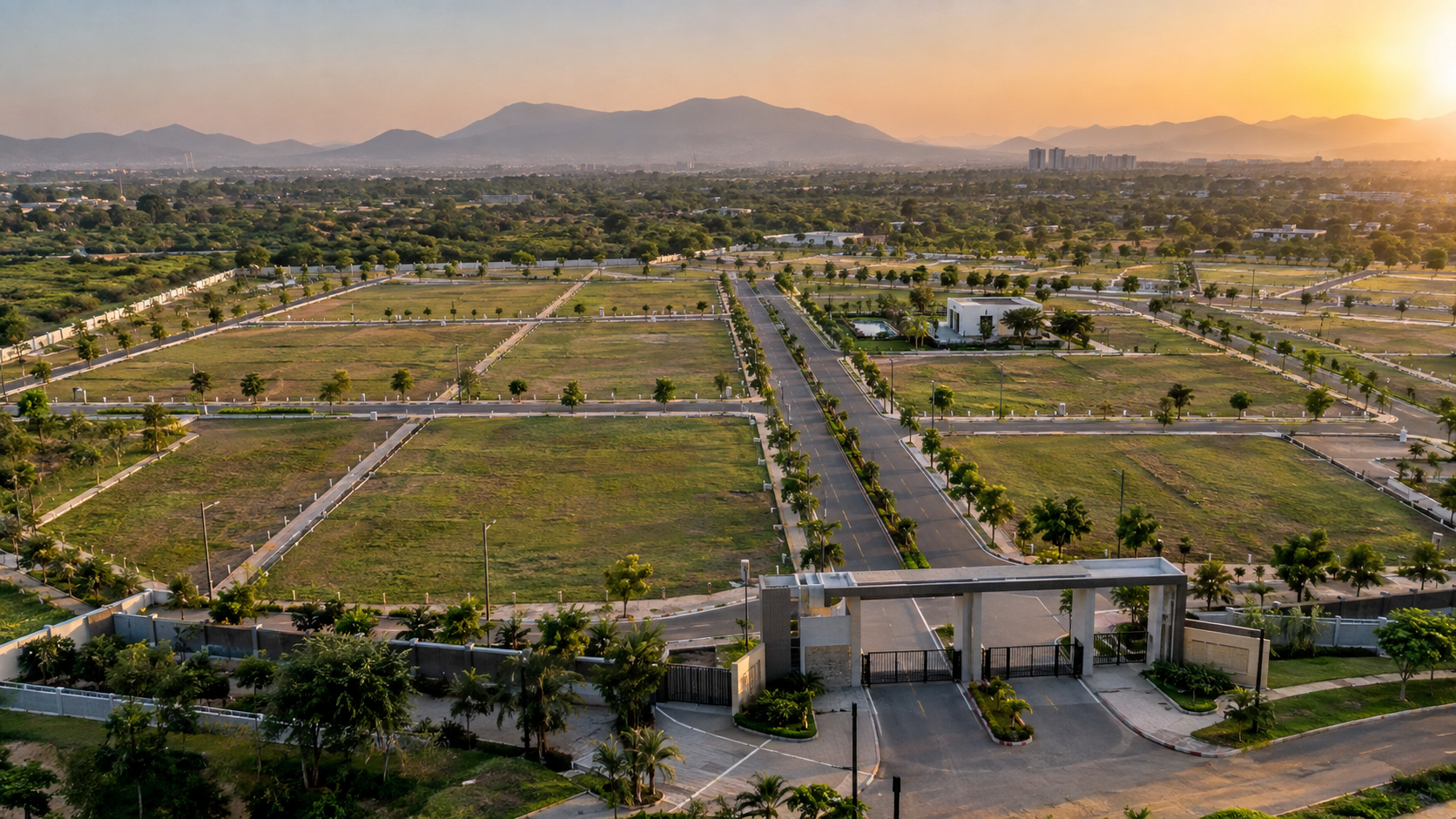
Agricultural Land
Investor-owned land with productive and future-use potential.
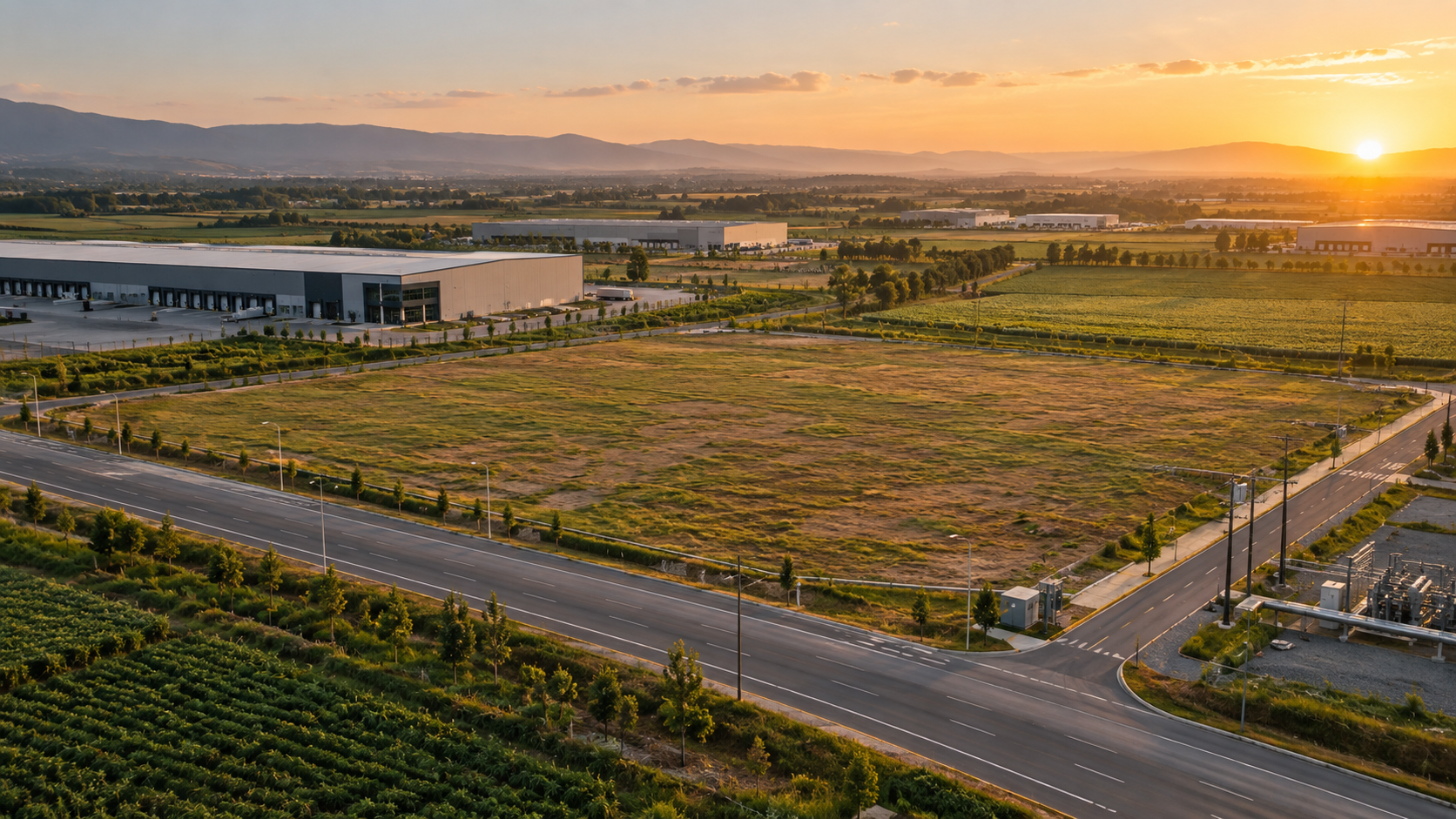
Poultry Estates
Purpose-built poultry infrastructure with managed operations.
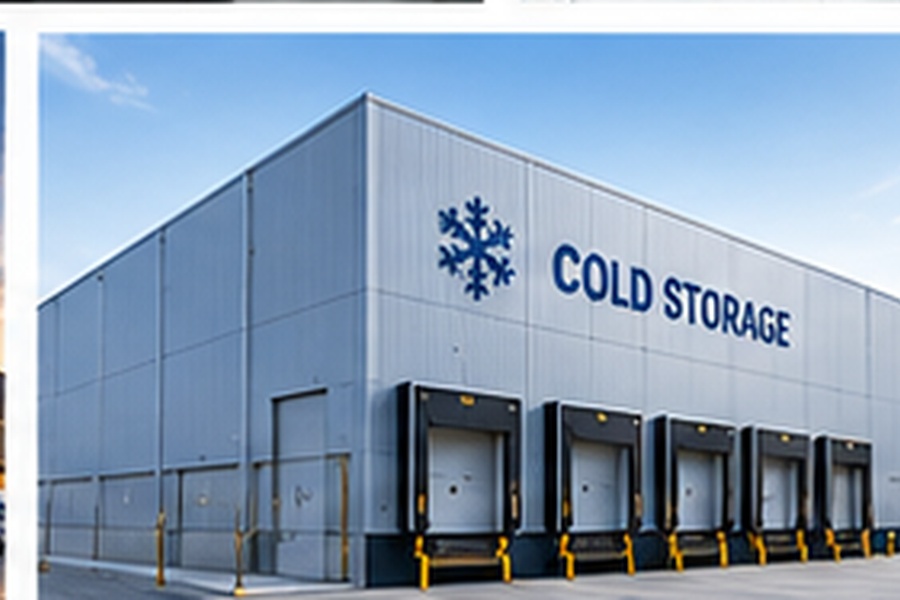
Cold Storage
Temperature-controlled infrastructure supporting food supply chains.

Warehousing & Logistics
Storage and distribution assets serving commercial demand.
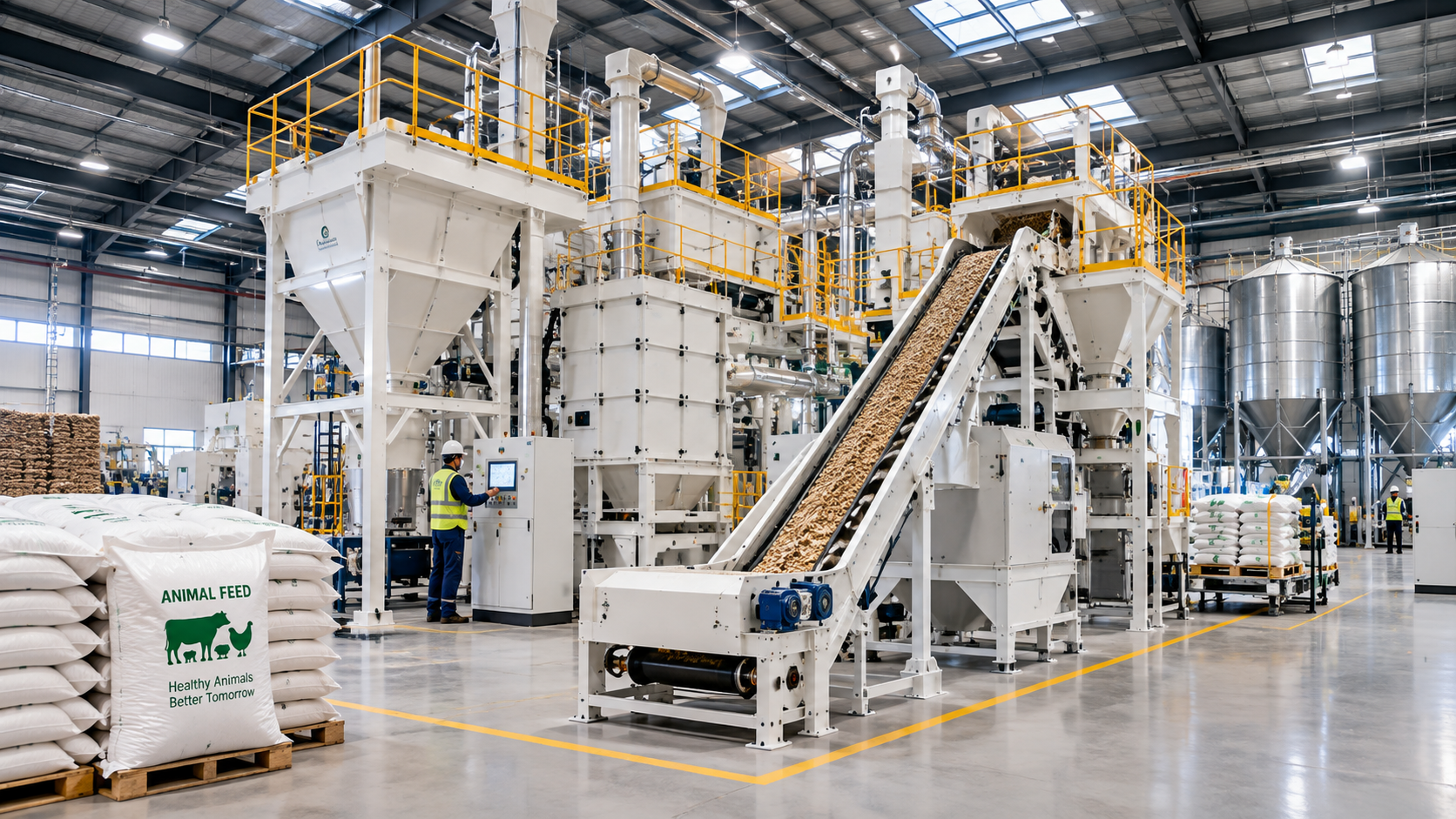
Animal Feed Production
Production infrastructure supporting livestock value chains.
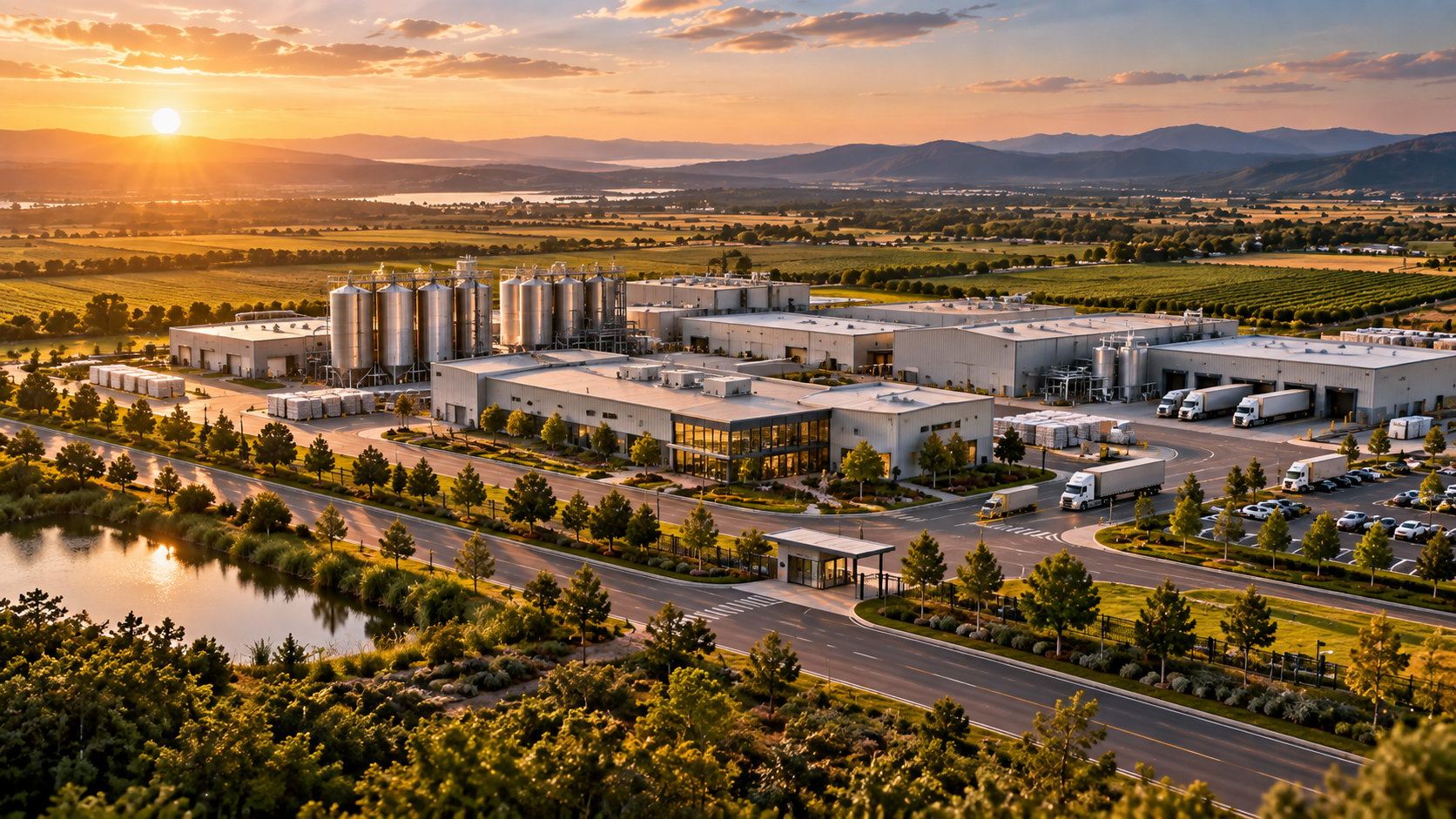
Commercial Rental Units
Commercial property developed for productive rental use.
Key Considerations for Asset-Backed Real Estate Investors
A productive real asset should be evaluated as both a property and a commercial project.
Investors should understand the asset being acquired, its location, intended use, development plan, operating structure, documentation, financing where applicable and the commercial activity expected to support income.
Your Asset. Professional Development & Management.
BARON is built around a straightforward principle: the investor owns the asset, while Bizquick helps convert that asset into professionally managed productive infrastructure.
Depending on the selected asset model, Bizquick can support land and opportunity identification, project planning, development, financing assistance, operating management and the commercial ecosystem required to put the asset to productive use.
Explore the BARON Model →
Explore BARON Investor Access
Explore how investor-owned productive real assets can be developed and professionally managed across agricultural land, poultry estates, cold storage, warehousing, animal-feed production and commercial infrastructure.
Explore BARON Investor Access →Asset-Backed Real Estate Investing FAQ
What is asset-backed real estate investing?
It involves owning a tangible real asset that can also be put to productive commercial use.
Does a BARON investor own only a share of the asset?
No. Under the BARON ownership model described here, the investor is the complete owner of the specific asset rather than merely holding a fractional share in it.
How can productive real estate generate income?
Depending on the asset, income can arise from productive operations, commercial use, leasing, storage, logistics, production or rental activity managed under the applicable project structure.
What types of assets are included in the BARON ecosystem?
BARON can include agricultural land, managed poultry estates, cold-storage infrastructure, warehouses and logistics assets, animal-feed production facilities and commercial rental units.
Do I need real-estate or operating experience to invest?
The BARON structure is designed around professional development and management by Bizquick, so the investor does not need to personally operate the underlying commercial activity.
What should I evaluate before investing?
Review the specific asset, ownership documentation, location, infrastructure, intended commercial use, development plan, financing if applicable, operating structure and investment horizon.
How can I learn more about BARON opportunities?
Use BARON Investor Access to explore the model and begin the investor qualification process.