
Market Cycles & Asset-Backed Investment: Building Stability in a Changing Economy
Markets, employment conditions, interest rates and financial sentiment move through cycles. Productive real assets offer a different approach: capital is converted into an investor-owned physical asset designed for commercial use and professionally managed income generation.
Explore BARON Investor Access →Economic Conditions Change. Productive Assets Continue to Serve Real Demand.
Equity markets rise and fall, borrowing costs change and business cycles expand and contract. Asset-backed investing approaches the problem differently by directing capital toward a physical asset with an identifiable commercial purpose.
Examples include agricultural land, warehousing, cold storage, poultry infrastructure, animal-feed production and rental commercial space. The objective is not to predict every market movement, but to build ownership around assets capable of participating in real economic activity.
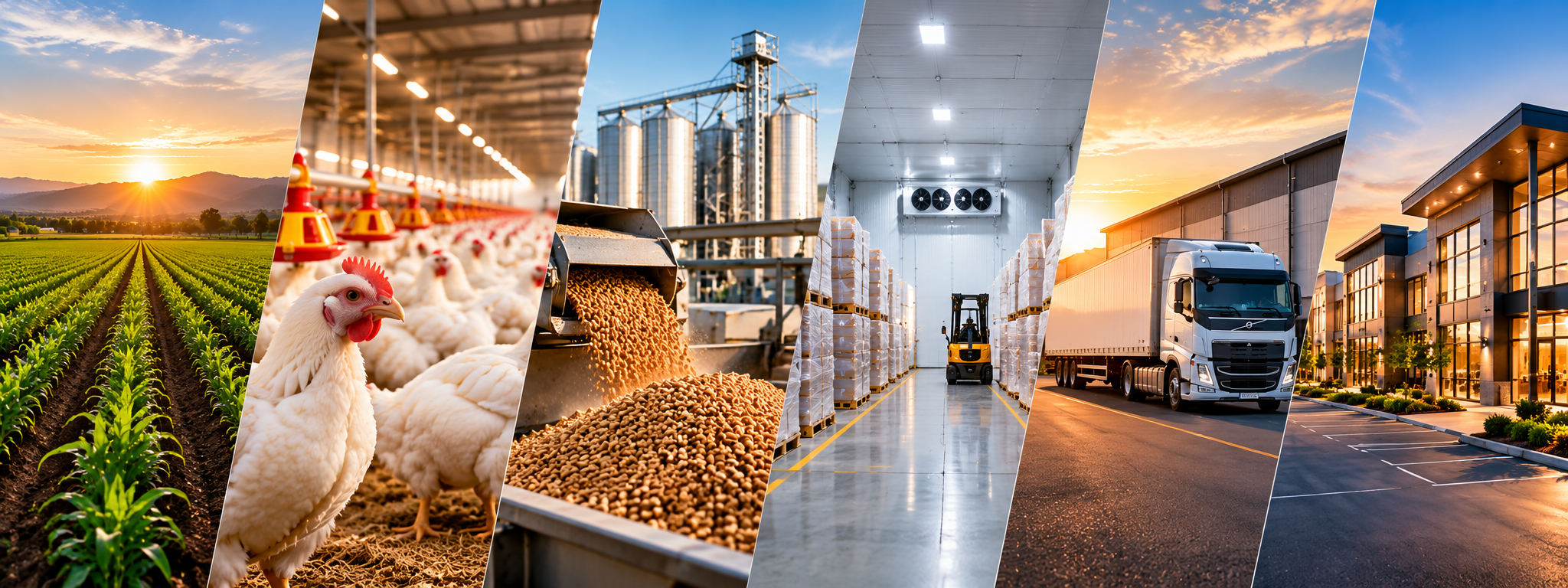
Productive Real Assets Across Market Cycles
Tangible Ownership
Investment anchored to an identifiable physical asset.
Commercial Utility
Assets perform useful economic functions.
Income Orientation
Structured assets may create operating or rental income.
Underlying Asset Value
Land and infrastructure can retain independent market value.
Professional Management
Ownership can be separated from day-to-day operations.
Legacy Potential
Physical ownership can form part of longer-term family wealth planning.
Build Around Fundamentals Rather Than Trying to Time Every Cycle
Clear commercial purpose and demand drivers.
Access, logistics, utilities and connectivity.
Professional systems and commercial execution.
Allow the physical asset and ecosystem time to develop.
One Investment Philosophy. Multiple Income-Generating Asset Classes.
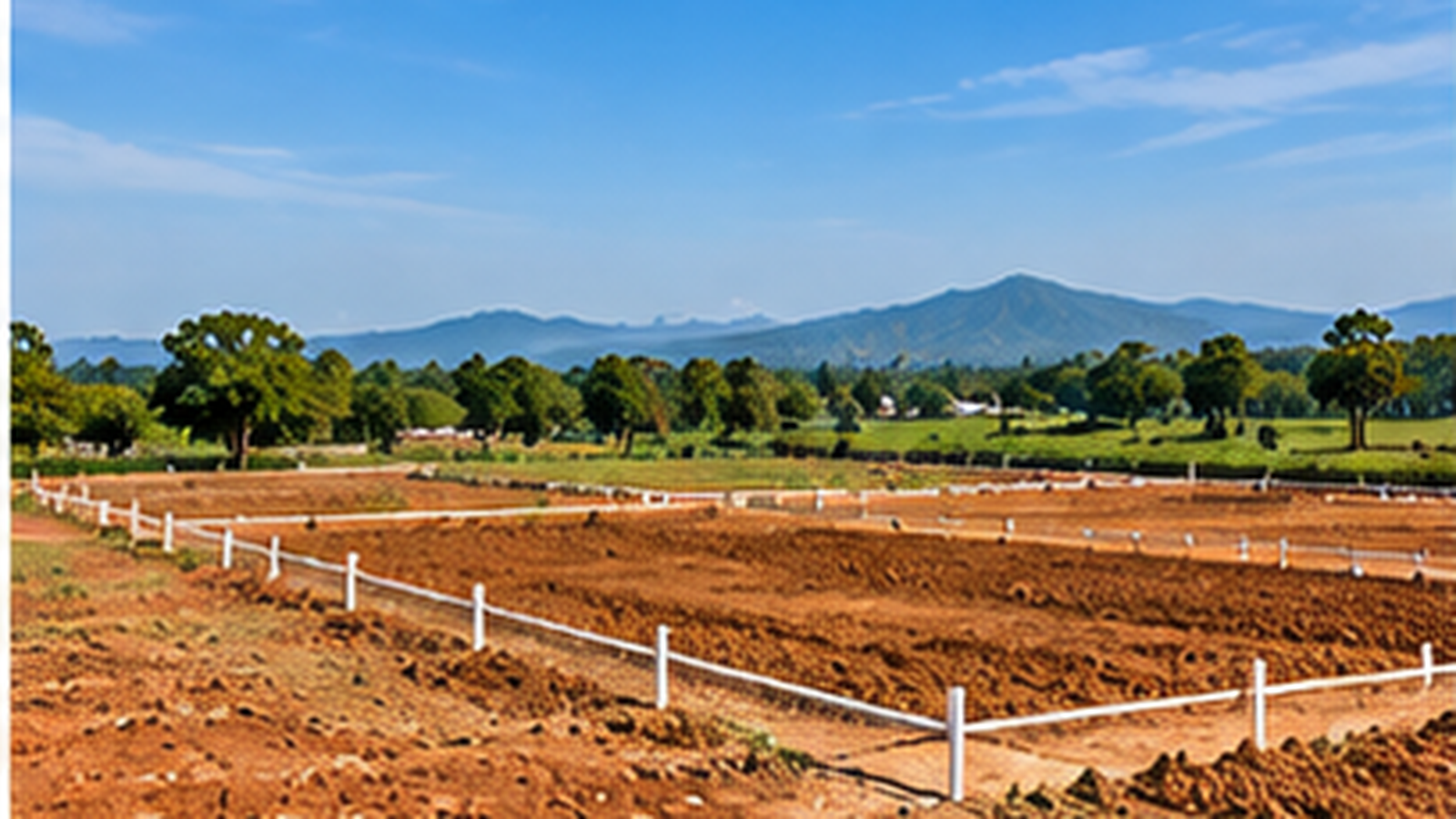
Land Banking
Strategically selected land with productive use and development potential.
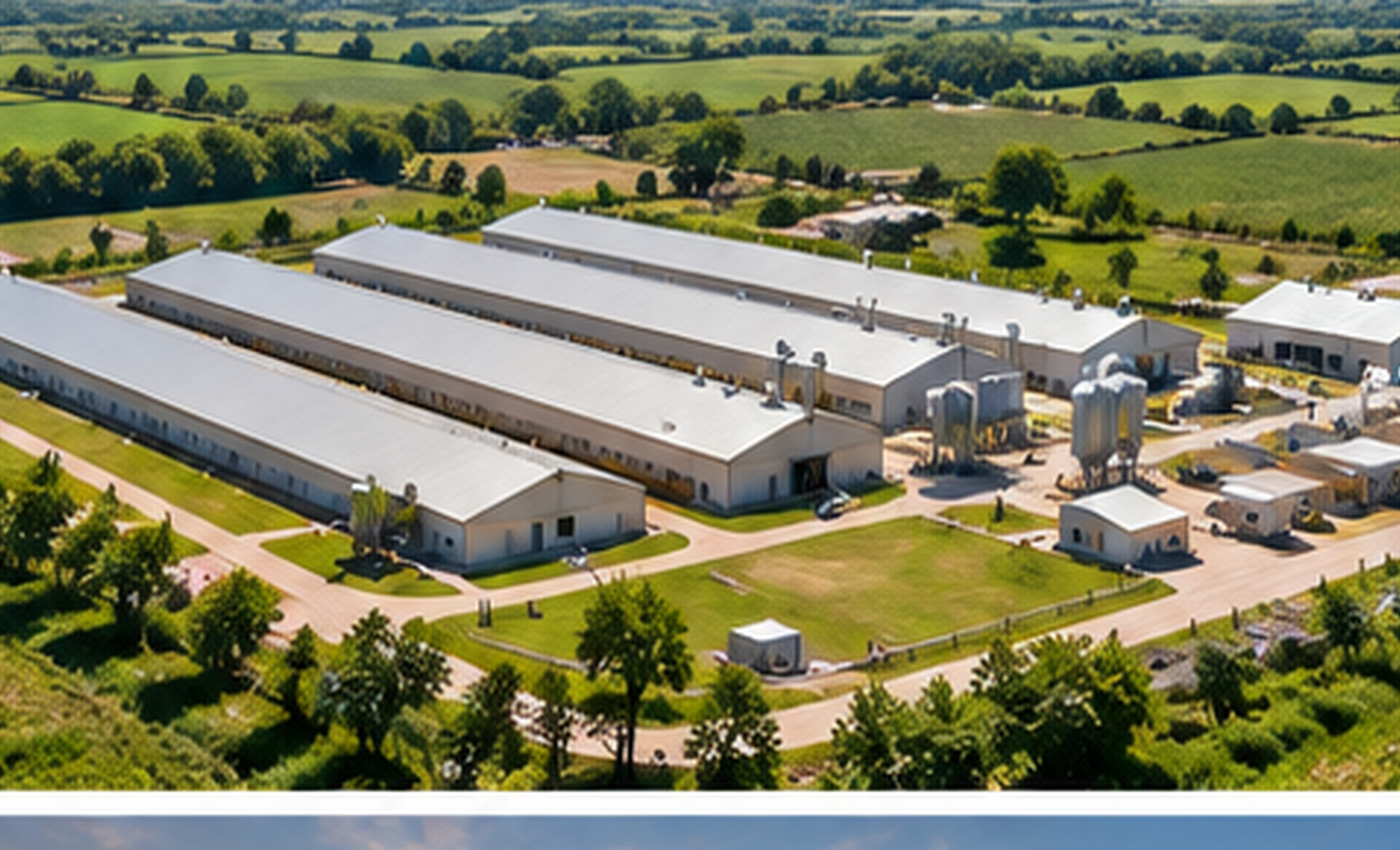
Poultry Estates
Purpose-built infrastructure professionally operated as a commercial asset.
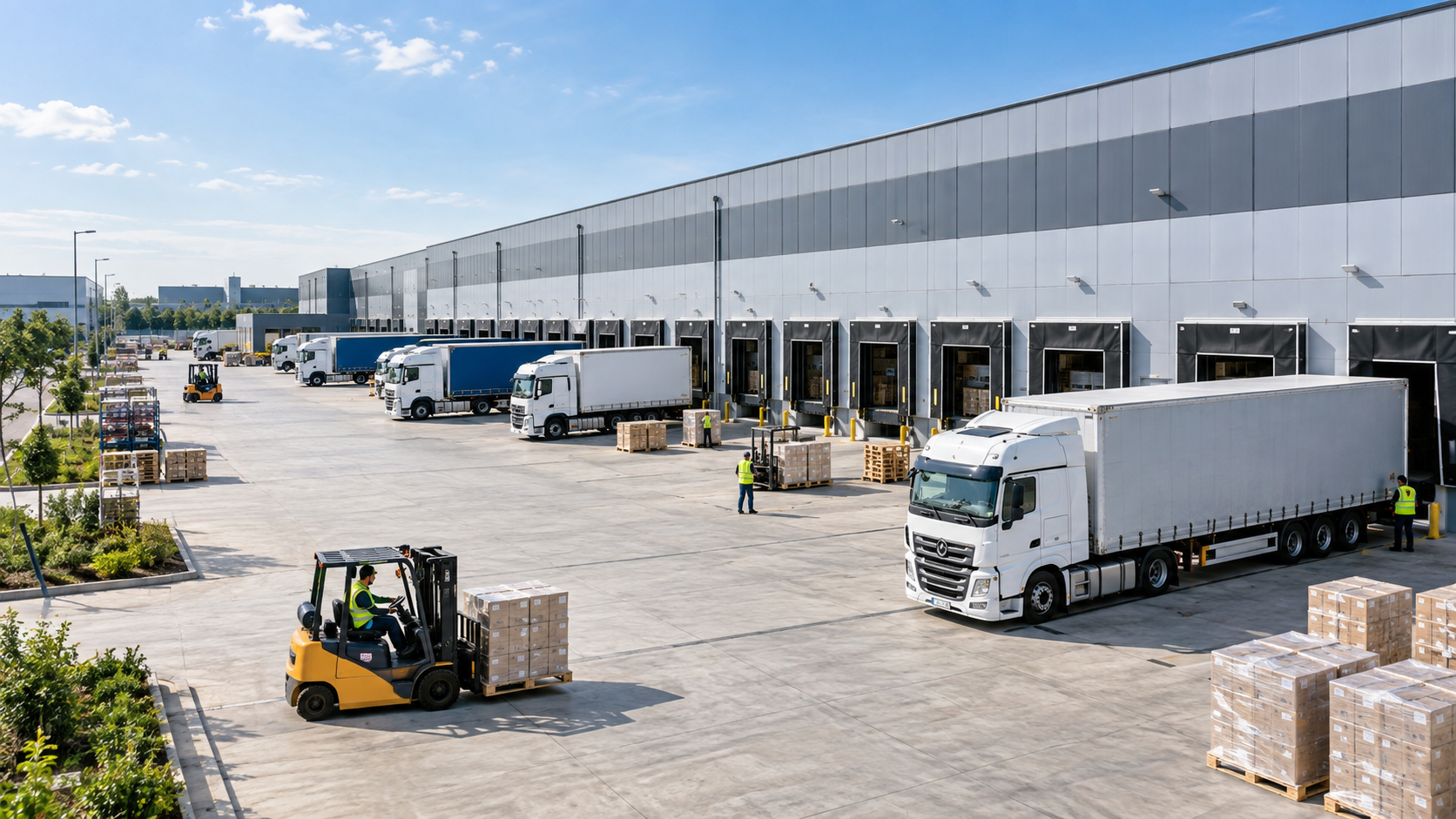
Warehousing & Logistics
Infrastructure supporting storage and distribution.
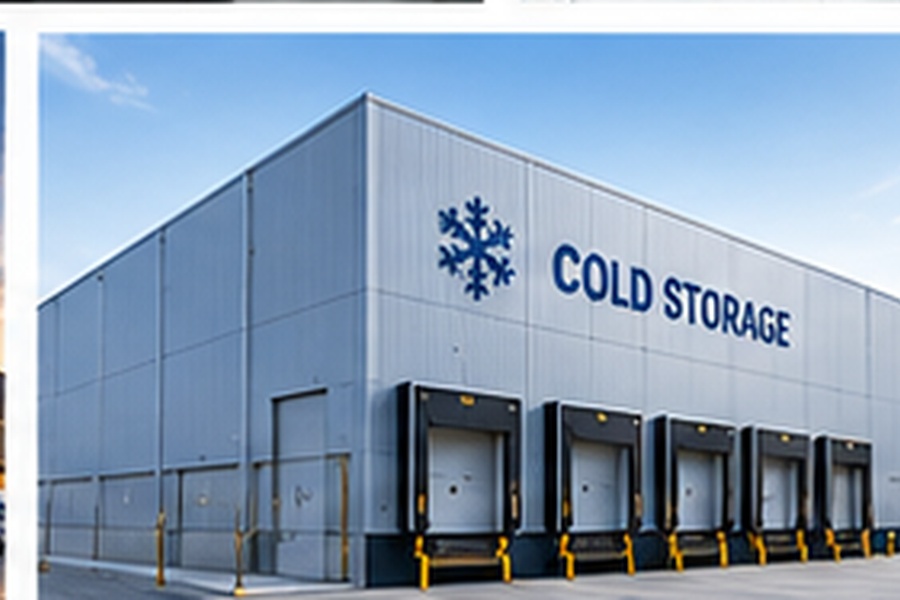
Cold Storage
Temperature-controlled food and agricultural infrastructure.
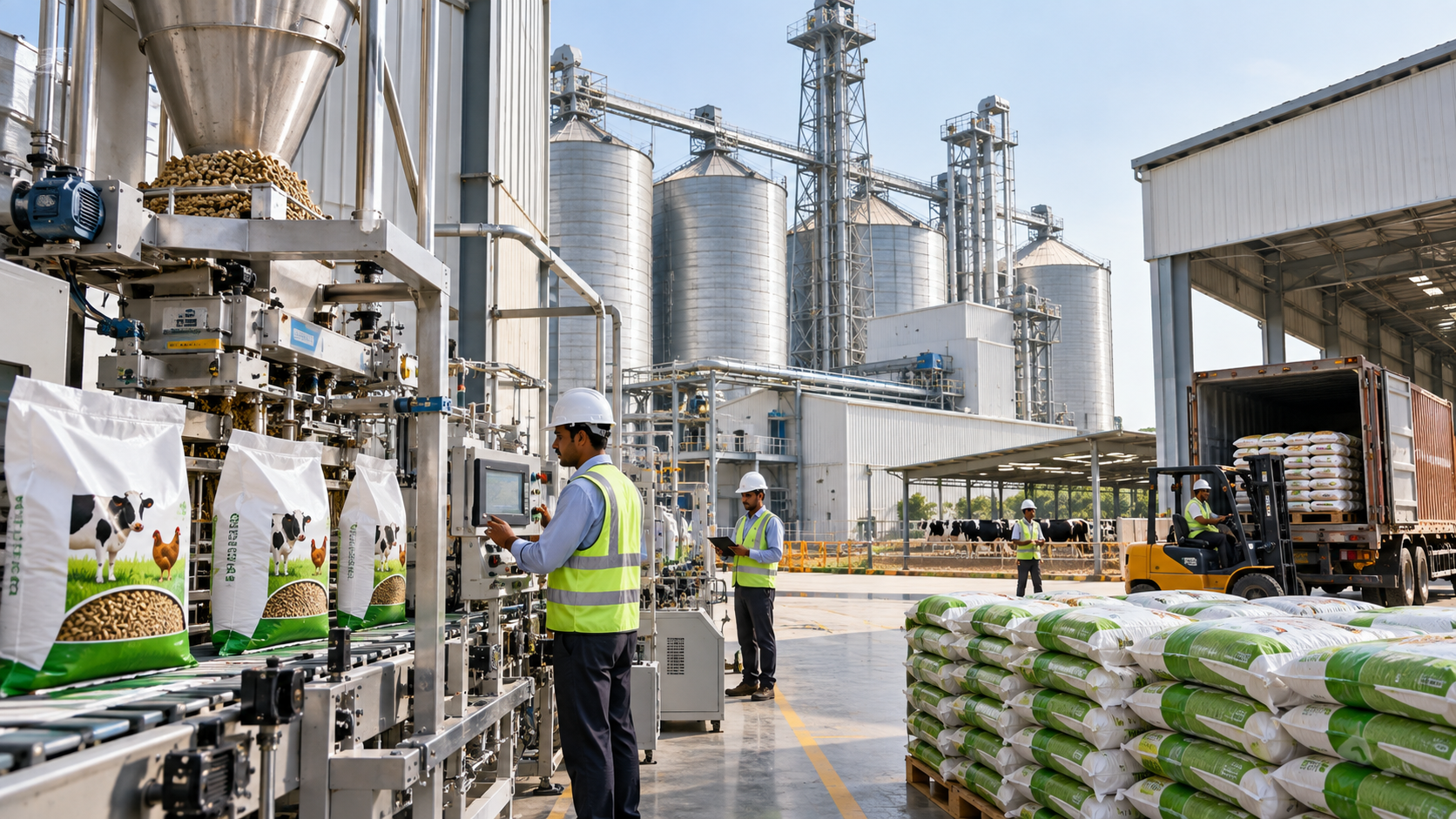
Animal Feed Production
Production infrastructure serving recurring livestock-sector demand.
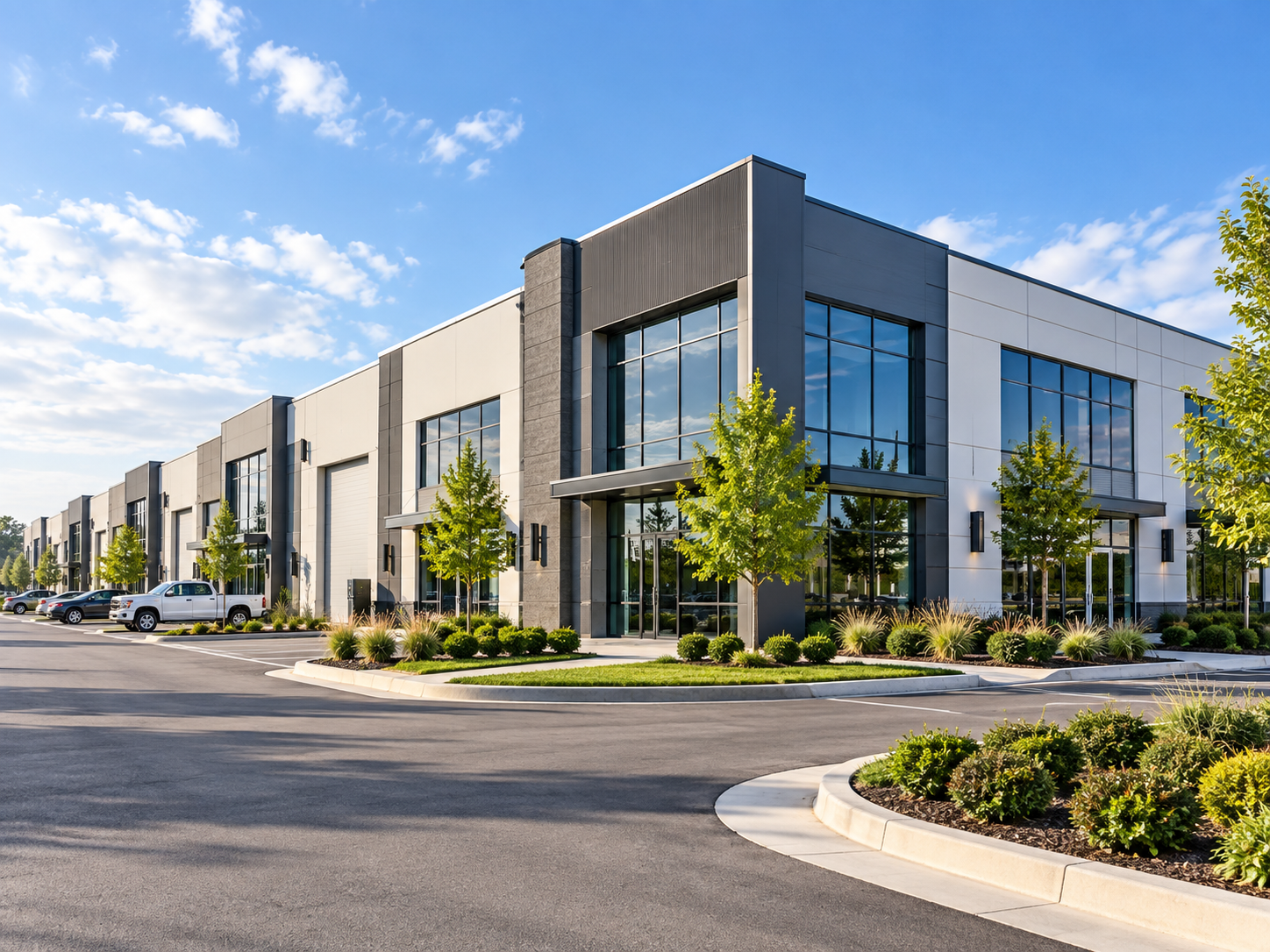
Commercial Rental Assets
Commercial property structured around occupancy and rental income.
Asset-Backed Investment vs Financial Asset Classes
These categories serve different purposes. This comparison explains structural differences rather than predicting which category will perform best.
| Characteristic | Productive Real Assets | Listed Equities | Gold | Fixed Income |
|---|---|---|---|---|
| Underlying ownership | Direct physical asset | Corporate security | Commodity exposure | Financial claim/deposit |
| Income source | Rental/operating activity | Dividends if declared | Generally no operating income | Interest subject to terms |
| Physical utility | Commercial use | Indirect | Store-of-value/industrial uses | Primarily financial |
The Investor Owns the Asset.
Under the BARON proposition, the investor is not simply purchasing a small participation in a pooled project. The structure is built around ownership of the investor's identified asset, while Bizquick coordinates development and professional operations.
Identify → Own → Develop → Finance → Operate → Build Value
Where suitable, Bizquick assists with project-financing coordination after land purchase, subject to lender eligibility, approval and terms.
For managed projects, the commercial operating-income structure is based on a 70% investor / 30% Bizquick share, subject to project documentation and actual operations.

Select the Asset Around Your Capital and Objectives
Evaluate location, ownership documentation, development economics, management, financing capacity and the intended ownership horizon. Projected figures should be reviewed against the relevant project assumptions.
Review Investor Pathway →Turn Capital Into an Investor-Owned Productive Asset.
Explore agricultural land, poultry estates, warehousing, cold storage, animal-feed production and commercial rental opportunities through the BARON ecosystem.
Explore BARON Investor Access →Frequently Asked Questions
What is an asset-backed investment?
Capital is deployed into an identifiable physical asset intended for productive or commercial use.
Does the investor own the BARON asset?
The BARON proposition is structured around investor ownership of the identified asset, with Bizquick coordinating development and professional management.
Is BARON limited to poultry?
No. The ecosystem includes agricultural land, poultry estates, cold storage, warehouses and logistics, animal-feed production and commercial rental assets.
Can financing be used?
Depending on the project and investor eligibility, Bizquick can assist with bank/NBFC financing coordination after land purchase, subject to lender approval and terms.
How is managed operating income structured?
The commercial structure is based on a 70% investor / 30% Bizquick operating-income share, subject to the specific project documentation, actual operations and applicable costs.
Related Articles
 What Makes Real Estate a Desirable Alternative Investment?
 Passive Real Estate Investment
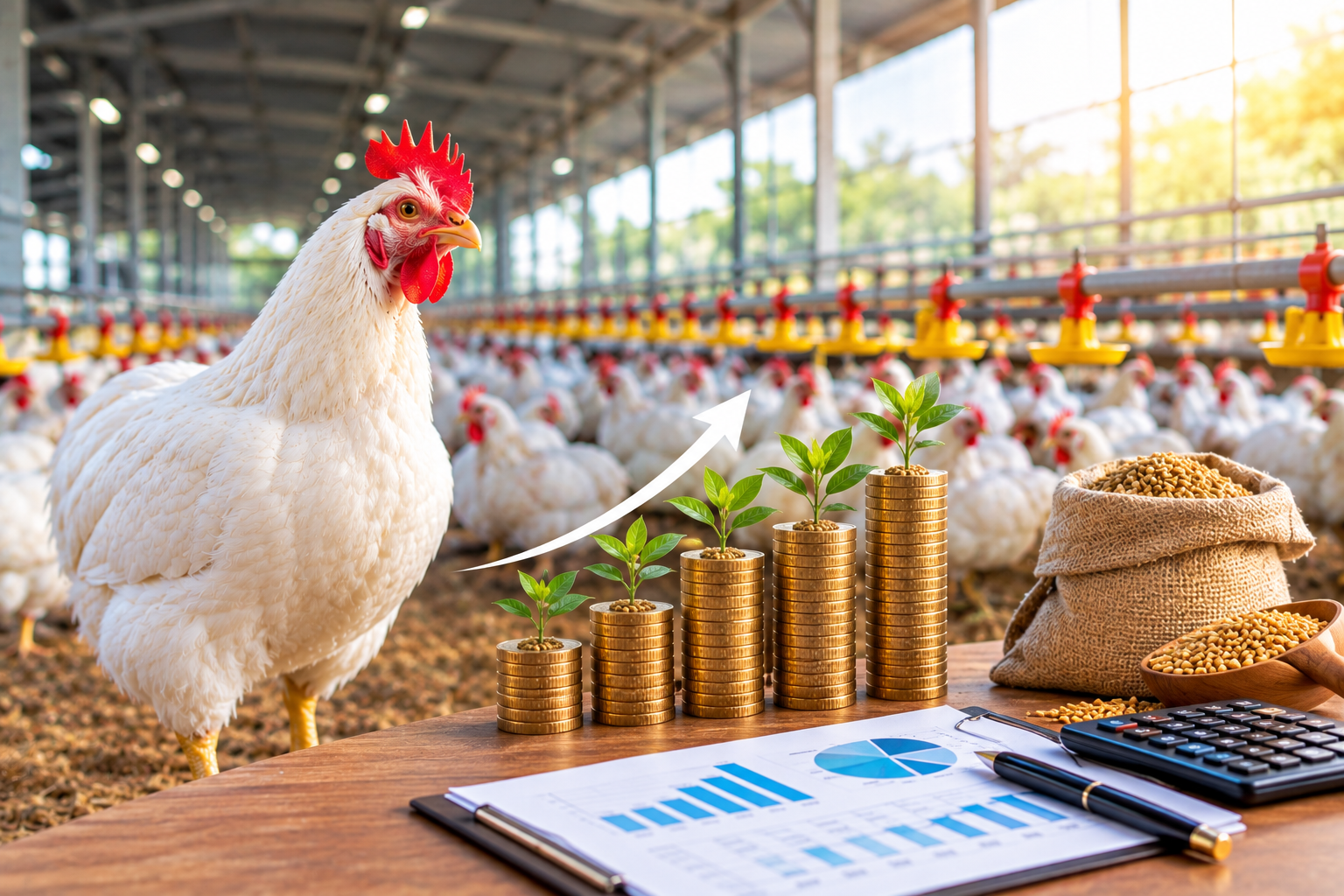 Benefits of Investing in a Poultry Farm
 Explore BARON Productive Real Assets